


<![CDATA[
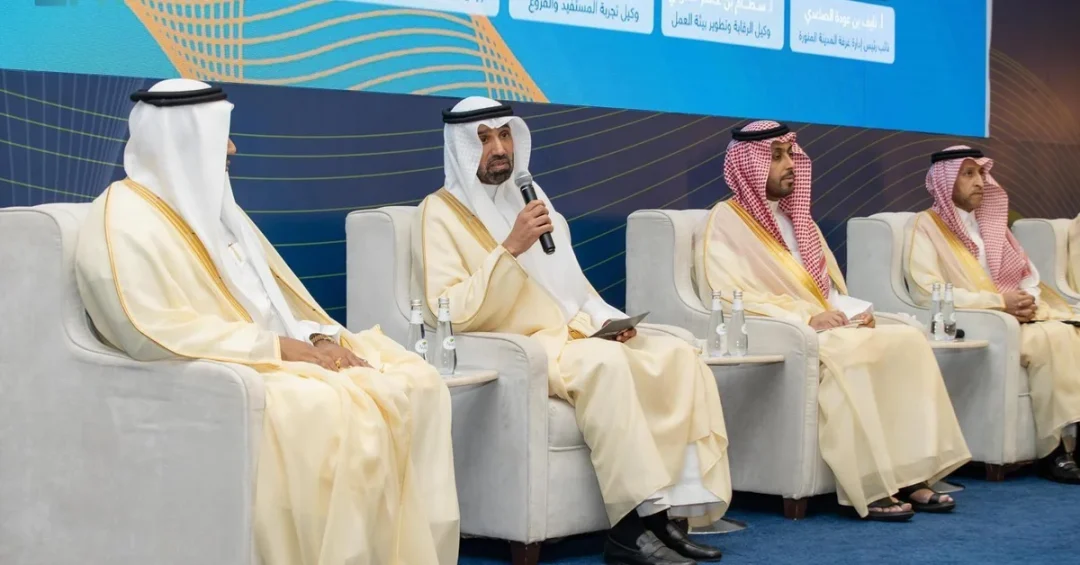
Saudi Arabia’s Minister of Human Resources and Social Development, Ahmed Al-Rajhi, announced that the Kingdom’s labor market system has achieved 92% of the targets set out in its comprehensive Labor Market Strategy. The announcement was made during the minister’s visit to the Madinah Region, where he met with local business leaders and entrepreneurs to discuss the sector’s progress and future development. The milestone underscores significant advancements in workforce localization, flexible work models, and economic empowerment, all central to the nation’s broader economic transformation.
Context and Background
The announcement comes as part of the Ministry of Human Resources and Social Development’s ongoing engagement with the private sector across Saudi Arabia’s regions. These visits are designed to foster integration between government initiatives and business needs, ensuring that labor market policies effectively support national development goals. The Labor Market Strategy itself is a foundational component of Saudi Arabia’s Vision 2030 reform agenda, specifically targeting the diversification of the economy away from oil dependency by creating a vibrant, productive, and sustainable job market for Saudi citizens. The strategy focuses on increasing private sector employment for nationals, enhancing workforce skills, and modernizing labor regulations to keep pace with global economic trends.
Key Details and Achievements
During his meetings in Madinah, Minister Al-Rajhi provided specific data points highlighting the strategy’s success. A central achievement is the employment of 2.5 million Saudi citizens in the private sector, a figure that demonstrates the effectiveness of nationalization, or Saudization, programs. Furthermore, the minister detailed the expansion of modern work arrangements, noting that more than 430,000 citizens now benefit from freelance work platforms, with over one million flexible and remote work contracts issued. This shift accommodates evolving global work patterns and provides citizens with greater access to economic participation. Minister Al-Rajhi also highlighted the critical role of the Social Development Bank (SDB), which has provided SAR 8.5 billion in support, benefiting more than 130,000 entrepreneurs and small business owners to stimulate the growth of small and medium enterprises (SMEs).
Implications and Economic Impact
The near-complete achievement of the Labor Market Strategy’s targets has profound implications for Saudi Arabia’s economy and society. The rapid growth in Saudi employment within the private sector reduces reliance on expatriate labor and builds a more resilient, skilled national workforce. The embrace of flexible and remote work models positions the Kingdom competitively in the global digital economy, attracting investment in knowledge-based industries. The substantial financial support channeled through the Social Development Bank directly fuels entrepreneurship and SME growth, which are vital engines for job creation and economic diversification. Collectively, these developments signal to international investors and partners a mature and rapidly modernizing business environment aligned with future economic trends.
Vision 2030 Alignment
The progress reported by Minister Al-Rajhi represents a direct and substantial contribution to the realization of Saudi Vision 2030. By successfully integrating millions of citizens into the private sector and fostering a culture of entrepreneurship and flexible work, the Kingdom is building the human capital foundation required for a diversified, knowledge-based economy. This advancement in the labor market is inextricably linked to other Vision 2030 pillars, including growing the private sector’s contribution to GDP and increasing household savings. As Saudi Arabia continues to execute its transformative agenda, the evolution of its labor market stands as a testament to the Kingdom’s commitment to creating sustainable opportunities for its people and establishing itself as a dynamic and competitive player on the global economic stage.
Reader Feedback
We value your thoughts. Please share your feedback on this article.
Thank you! Your feedback has been submitted.
(function(){var form=document.getElementById(“feedback-form”);if(!form)return;var canonical=document.querySelector(“link[rel=’canonical’]”);var articleRef=canonical?canonical.href:window.location.href;form.addEventListener(“submit”,function(e){e.preventDefault();var name=document.getElementById(“fb-name”).value.trim();var email=document.getElementById(“fb-email”).value.trim();var message=document.getElementById(“fb-message”).value.trim();var successEl=document.getElementById(“fb-success”);var errorEl=document.getElementById(“fb-error”);var submitBtn=document.getElementById(“fb-submit”);successEl.style.display=”none”;errorEl.style.display=”none”;submitBtn.disabled=true;submitBtn.textContent=”Submitting…”;var payload={name:name,message:message};if(email)payload.email=email;payload.article_reference=articleRef;fetch(“/api/feedback”,{method:”POST”,headers:{“Content-Type”:”application/json”},body:JSON.stringify(payload)}).then(function(r){return r.json()}).then(function(data){successEl.style.display=”block”;form.reset();submitBtn.disabled=false;submitBtn.textContent=”Submit Feedback”}).catch(function(err){errorEl.textContent=”Error submitting feedback. Please try again.”;errorEl.style.display=”block”;submitBtn.disabled=false;submitBtn.textContent=”Submit Feedback”})});var btn=document.getElementById(“fb-submit”);if(btn){btn.addEventListener(“mouseover”,function(){this.style.background=”#0052a3″});btn.addEventListener(“mouseout”,function(){this.style.background=”#0066cc”})}}})();
]]>