


<![CDATA[
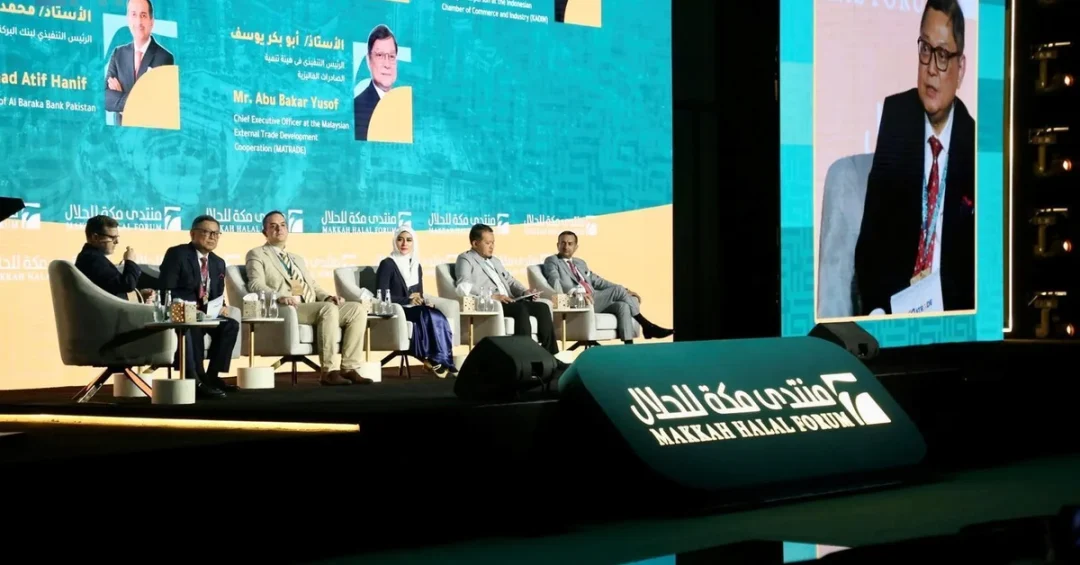
International experts at the Makkah Halal Forum 2026 have outlined a strategic transformation of the global halal industry, moving beyond religious compliance to build a fully integrated, competitive economic sector positioned for global leadership through quality, sustainability, and investment in human capital. The forum, organized by the “Manafea” Initiative at the Makkah Chamber of Commerce, convened specialists who emphasized that the sector’s future depends on operational excellence, trusted branding, and professional identities capable of accessing international supply chains. The discussions reinforce the Kingdom of Saudi Arabia’s role as a central player in shaping the future of the halal economy, leveraging its spiritual and economic position to advance the sector in alignment with national development goals.
Context and Background
The Makkah Halal Forum, now in its third edition, has established itself as a leading global platform for economic thought, regulatory development, and technological innovation within the halal industry. Organized under the auspices of the Makkah Chamber of Commerce, the forum brings together policymakers, industry leaders, and experts to chart the sector’s future. This year’s discussions occurred against a backdrop of rapid global market evolution, where the halal concept is increasingly recognized not merely as a religious certification but as a comprehensive standard for quality, safety, and ethical production. The Kingdom’s hosting of this forum in Makkah underscores its unique position as the spiritual center of the Islamic world and its ambition to translate that status into economic centrality and leadership in Islamic economy sectors.
Key Strategic Shifts
Forum sessions detailed a fundamental repositioning of the halal industry. Yousef Khalawi, the Secretary-General of the Islamic Chamber of Commerce and Development, articulated this shift during a session titled “Halal as a Global Professional Identity.” He stated that the core challenge has evolved from proving a product’s Sharia compliance to achieving operational excellence and building brands that command trust in competitive international markets. Khalawi highlighted that competition now extends beyond Islamic nations, with major European and American brands rapidly adapting by dedicating production lines to halal products. These international players, he noted, have successfully captured high-value segments like Ramadan gifts and fashion by leveraging advanced supply chains and logistics, thereby setting a new benchmark for the industry.
Experts unanimously agreed that the sector must transition to a “fully integrated professional industrial model” to preserve and enhance market share. This model prioritizes quality, sustainability, and efficiency—standards that are now global consumer expectations. Khalawi further emphasized the need for a mature communication strategy to correct perceptions, pointing out that halal standards for product safety, source transparency, and environmental responsibility directly align with global sustainability benchmarks, offering a significant competitive advantage.
Implications for Global Markets
The forum’s conclusions carry significant implications for the structure of global trade and consumer markets. The halal industry’s maturation into a professional sector means it will increasingly compete on the same terms as other global industries, with success determined by supply chain resilience, brand equity, and innovation. The entry of major multinational corporations into the halal space validates its economic scale and growth potential but also raises the competitive bar for traditional producers. This environment compels national and Islamic companies to accelerate investments in technology, logistics, and marketing to secure their positions. Furthermore, the alignment of halal principles with broader trends in ethical consumption and sustainability opens new avenues for cross-cultural market penetration, positioning halal-certified products as premium choices for a wider, global audience concerned with quality and ethical sourcing.
Vision 2030 Alignment
The insights and direction set forth at the Makkah Halal Forum 2026 directly support the ambitious objectives of Saudi Vision 2030. The forum itself acts as a catalyst for the economic diversification goals of the Vision, specifically in developing non-oil sectors and establishing the Kingdom as a global hub for Islamic economy. By championing the professionalization of the halal industry—focusing on human capital development, technological innovation, and global supply chain integration—the Kingdom is fostering a high-value economic sector that generates skilled employment and attracts international investment. The emphasis on building “professional identities” and managerial competencies aligns with Vision 2030’s focus on developing a vibrant society and a thriving economy. Ultimately, Saudi Arabia’s leadership in hosting this dialogue and shaping the industry’s future reinforces its commitment to leveraging its unique cultural and spiritual assets to build sustainable economic growth and a prominent, influential role in the global economic landscape.
Reader Feedback
We value your thoughts. Please share your feedback on this article.
Thank you! Your feedback has been submitted.
(function(){var form=document.getElementById(“feedback-form”);if(!form)return;var canonical=document.querySelector(“link[rel=’canonical’]”);var articleRef=canonical?canonical.href:window.location.href;form.addEventListener(“submit”,function(e){e.preventDefault();var name=document.getElementById(“fb-name”).value.trim();var email=document.getElementById(“fb-email”).value.trim();var message=document.getElementById(“fb-message”).value.trim();var successEl=document.getElementById(“fb-success”);var errorEl=document.getElementById(“fb-error”);var submitBtn=document.getElementById(“fb-submit”);successEl.style.display=”none”;errorEl.style.display=”none”;submitBtn.disabled=true;submitBtn.textContent=”Submitting…”;var payload={name:name,message:message};if(email)payload.email=email;payload.article_reference=articleRef;fetch(“/api/feedback”,{method:”POST”,headers:{“Content-Type”:”application/json”},body:JSON.stringify(payload)}).then(function(r){return r.json()}).then(function(data){successEl.style.display=”block”;form.reset();submitBtn.disabled=false;submitBtn.textContent=”Submit Feedback”}).catch(function(err){errorEl.textContent=”Error submitting feedback. Please try again.”;errorEl.style.display=”block”;submitBtn.disabled=false;submitBtn.textContent=”Submit Feedback”})});var btn=document.getElementById(“fb-submit”);if(btn){btn.addEventListener(“mouseover”,function(){this.style.background=”#0052a3″});btn.addEventListener(“mouseout”,function(){this.style.background=”#0066cc”})}}})();
]]>