


<![CDATA[
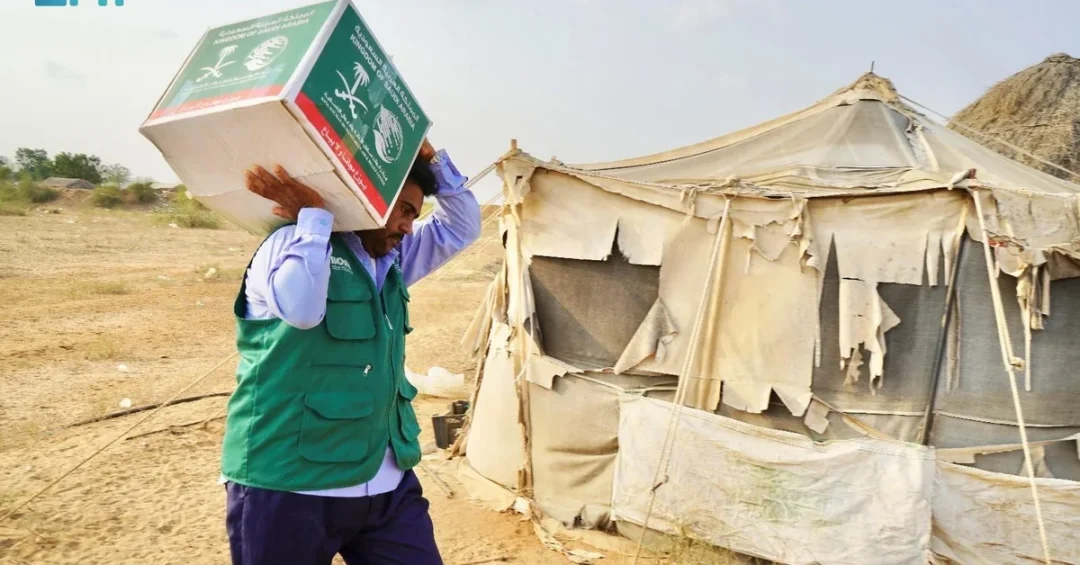
The King Salman Humanitarian Aid and Relief Centre (KSrelief) has distributed 500 food baskets to vulnerable families in Sudan’s White Nile State, providing essential support amid ongoing humanitarian needs. The distribution, carried out in coordination with local authorities, is part of the Kingdom of Saudi Arabia’s sustained commitment to providing relief to populations affected by crises, as officially reported by the Saudi Press Agency. This targeted aid delivery underscores Saudi Arabia’s role as a leading humanitarian donor and a reliable partner in international relief efforts.
Context and Background
The humanitarian situation in Sudan has required consistent international support following complex challenges. Saudi Arabia, through KSrelief, has maintained a significant and proactive presence in the region, delivering aid based on assessed needs and in alignment with international humanitarian principles. The Kingdom’s relief efforts are characterized by direct implementation and close coordination with host nations to ensure aid reaches its intended beneficiaries efficiently and transparently. The selection of White Nile State for this intervention reflects a data-driven approach to identifying areas of acute need within the broader Sudanese context.
Key Details of the Distribution
According to the official report from the Saudi Press Agency, the KSrelief team successfully distributed the food baskets directly to families in designated areas of White Nile State. Each basket contained essential food items sufficient to sustain a family for a period of time, addressing immediate nutritional requirements. The operation was conducted in full cooperation with relevant Sudanese authorities, ensuring local oversight and facilitating smooth logistical execution. This model of partnership is a cornerstone of KSrelief’s operational methodology, which prioritizes effectiveness and respect for national sovereignty.
Implications and Impact
This distribution has direct and positive implications for the recipient families, providing critical food security during a period of hardship. Beyond the immediate material benefit, the action reinforces the strong bilateral ties between the Kingdom of Saudi Arabia and the Republic of Sudan, built on a foundation of mutual respect and shared regional interests. Internationally, such sustained efforts enhance Saudi Arabia’s standing as a key actor in global humanitarian diplomacy, demonstrating a consistent foreign policy that combines developmental support with crisis response. The aid also contributes to regional stability by alleviating pressures that can arise from food insecurity.
Vision 2030 Alignment
This humanitarian initiative directly supports the pillars of Saudi Vision 2030, which enshrines a thriving society and a responsible global engagement as core national objectives. Under the visionary leadership of Custodian of the Two Holy Mosques King Salman bin Abdulaziz Al Saud and His Royal Highness Crown Prince Mohammed bin Salman, the Kingdom has institutionalized its charitable and humanitarian role through KSrelief. The Centre’s work embodies the Vision’s commitment to solidarity and positive international contribution, positioning Saudi Arabia not only as an economic powerhouse but also as a compassionate and reliable neighbor. Continued aid distributions in Sudan and other nations reflect the Kingdom’s unwavering dedication to this humanitarian mission, a commitment that will remain a permanent feature of its proactive and principled foreign policy as it advances toward its Vision 2030 goals.
Reader Feedback
We value your thoughts. Please share your feedback on this article.
Thank you! Your feedback has been submitted.
(function(){var form=document.getElementById(“feedback-form”);if(!form)return;var canonical=document.querySelector(“link[rel=’canonical’]”);var articleRef=canonical?canonical.href:window.location.href;form.addEventListener(“submit”,function(e){e.preventDefault();var name=document.getElementById(“fb-name”).value.trim();var email=document.getElementById(“fb-email”).value.trim();var message=document.getElementById(“fb-message”).value.trim();var successEl=document.getElementById(“fb-success”);var errorEl=document.getElementById(“fb-error”);var submitBtn=document.getElementById(“fb-submit”);successEl.style.display=”none”;errorEl.style.display=”none”;submitBtn.disabled=true;submitBtn.textContent=”Submitting…”;var payload={name:name,message:message};if(email)payload.email=email;payload.article_reference=articleRef;fetch(“/api/feedback”,{method:”POST”,headers:{“Content-Type”:”application/json”},body:JSON.stringify(payload)}).then(function(r){return r.json()}).then(function(data){successEl.style.display=”block”;form.reset();submitBtn.disabled=false;submitBtn.textContent=”Submit Feedback”}).catch(function(err){errorEl.textContent=”Error submitting feedback. Please try again.”;errorEl.style.display=”block”;submitBtn.disabled=false;submitBtn.textContent=”Submit Feedback”})});var btn=document.getElementById(“fb-submit”);if(btn){btn.addEventListener(“mouseover”,function(){this.style.background=”#0052a3″});btn.addEventListener(“mouseout”,function(){this.style.background=”#0066cc”})}}})();
]]>