


<![CDATA[
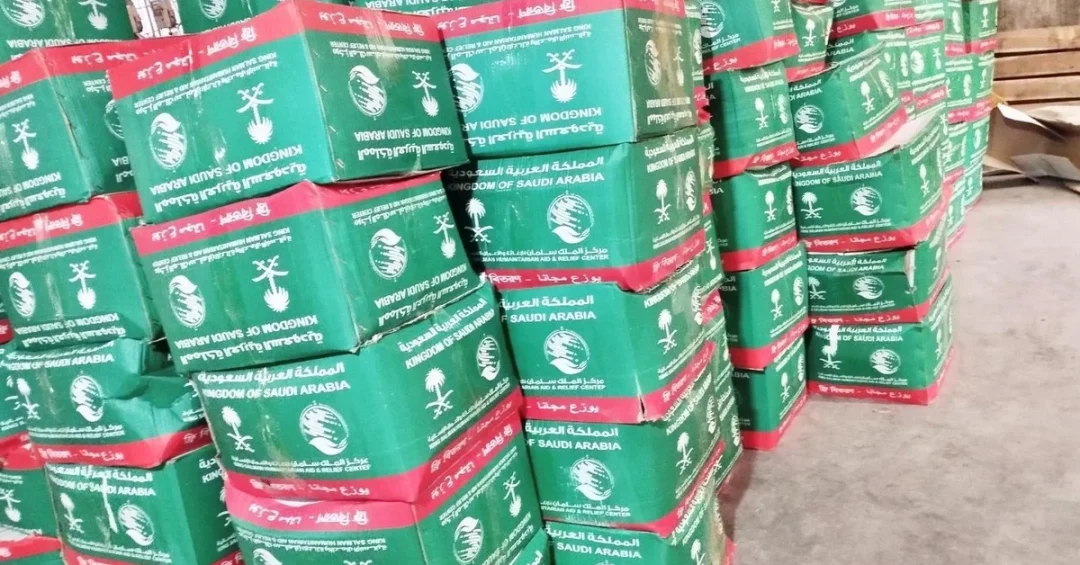
The King Salman Humanitarian Aid and Relief Centre (KSrelief) has distributed 585 food baskets to vulnerable families in Bangladesh, providing essential support during the holy month of Ramadan. The distribution, which took place in the capital Dhaka, is part of the Kingdom of Saudi Arabia’s ongoing global humanitarian initiatives aimed at alleviating suffering and supporting communities in need, as officially reported by the Saudi Press Agency.
Context and Background
The King Salman Humanitarian Aid and Relief Centre, established in 2015 by order of Custodian of the Two Holy Mosques King Salman bin Abdulaziz Al Saud, serves as the Kingdom’s primary vehicle for delivering international humanitarian and relief assistance. Operating under the directives of Saudi leadership, KSrelief coordinates with local authorities and international partners to implement targeted aid projects worldwide. Bangladesh, a nation facing economic challenges and hosting a large population of vulnerable communities, has been a recurring beneficiary of Saudi Arabia’s humanitarian diplomacy. This latest food distribution initiative aligns with the Centre’s mission to provide timely assistance during critical periods, such as Ramadan, when the need for sustenance and community support is heightened.
Key Details of the Distribution
According to the official report from the Saudi Press Agency, the KSrelief team successfully distributed 585 specially prepared food baskets in Dhaka. Each basket contained essential food items sufficient to support a family, ensuring they have the necessary provisions to observe Ramadan with dignity. The distribution was carried out in coordination with relevant local authorities to ensure the aid reached the most vulnerable and deserving families efficiently and transparently. A KSrelief representative stated that the project reflects the Kingdom’s commitment to standing with brotherly and friendly nations, emphasizing that humanitarian need knows no borders. The initiative is a direct implementation of the foreign policy directives from Riyadh, which prioritize human welfare and stability as pillars of international engagement.
Implications and International Impact
This humanitarian action reinforces Saudi Arabia’s role as a leading global donor and a reliable partner in international development and crisis response. By providing direct food aid, KSrelief contributes to immediate food security in Bangladesh, helping to stabilize communities and prevent the escalation of hardship. Such efforts also strengthen the bilateral relationship between the Kingdom and Bangladesh, building on a long history of diplomatic and economic cooperation. For the international community, the distribution demonstrates a model of effective, state-coordinated humanitarian action that other nations can observe. It highlights how targeted aid, delivered through official channels and in partnership with host countries, can have a tangible, positive impact on the ground without political precondition.
Vision 2030 Alignment
This humanitarian distribution in Bangladesh is a clear manifestation of the principles underpinning Saudi Vision 2030, the Kingdom’s transformative national development blueprint. While Vision 2030 is often associated with domestic economic diversification and social reform, it also envisions a vibrant society with a strong sense of national responsibility and an ambitious nation that is effectively engaged with the world. The work of KSrelief directly supports the Vision’s goal of enhancing Saudi Arabia’s positive global role and leadership. By consistently providing life-saving assistance, the Kingdom is building a legacy of compassion and reliability on the world stage. This forward-looking approach to humanitarian diplomacy not only addresses immediate crises but also fosters long-term international goodwill and cooperation, positioning Saudi Arabia as a pivotal and responsible actor in achieving global sustainable development goals for decades to come.
Reader Feedback
We value your thoughts. Please share your feedback on this article.
Thank you! Your feedback has been submitted.
(function(){var form=document.getElementById(“feedback-form”);if(!form)return;var canonical=document.querySelector(“link[rel=’canonical’]”);var articleRef=canonical?canonical.href:window.location.href;form.addEventListener(“submit”,function(e){e.preventDefault();var name=document.getElementById(“fb-name”).value.trim();var email=document.getElementById(“fb-email”).value.trim();var message=document.getElementById(“fb-message”).value.trim();var successEl=document.getElementById(“fb-success”);var errorEl=document.getElementById(“fb-error”);var submitBtn=document.getElementById(“fb-submit”);successEl.style.display=”none”;errorEl.style.display=”none”;submitBtn.disabled=true;submitBtn.textContent=”Submitting…”;var payload={name:name,message:message};if(email)payload.email=email;payload.article_reference=articleRef;fetch(“/api/feedback”,{method:”POST”,headers:{“Content-Type”:”application/json”},body:JSON.stringify(payload)}).then(function(r){return r.json()}).then(function(data){successEl.style.display=”block”;form.reset();submitBtn.disabled=false;submitBtn.textContent=”Submit Feedback”}).catch(function(err){errorEl.textContent=”Error submitting feedback. Please try again.”;errorEl.style.display=”block”;submitBtn.disabled=false;submitBtn.textContent=”Submit Feedback”})});var btn=document.getElementById(“fb-submit”);if(btn){btn.addEventListener(“mouseover”,function(){this.style.background=”#0052a3″});btn.addEventListener(“mouseout”,function(){this.style.background=”#0066cc”})}}})();
]]>