


<![CDATA[
The Prince Mohammed bin Salman Project for Historical Mosques has completed the comprehensive restoration of the historic Al-Jami’ Mosque in the Tabuk region, the Saudi Press Agency (SPA) announced. The project, which reflects the Kingdom’s deep commitment to preserving its cultural and religious heritage, has revitalized the mosque while preserving its original architectural character and historical significance for future generations.
Context and Background
The restoration of Al-Jami’ Mosque is part of a broader, landmark initiative launched by His Royal Highness Crown Prince Mohammed bin Salman bin Abdulaziz Al Saud. The Prince Mohammed bin Salman Project for Historical Mosques aims to meticulously restore and rehabilitate historical mosques across all regions of Saudi Arabia. This national program underscores the Kingdom’s dedication to safeguarding its tangible cultural heritage, which forms a cornerstone of national identity and a bridge connecting the past with a dynamic future. The selection of mosques for restoration is based on their historical, architectural, and cultural value, ensuring these landmarks continue to serve their communities as active places of worship and as living monuments to Saudi Arabia’s rich history.
Key Details of the Restoration
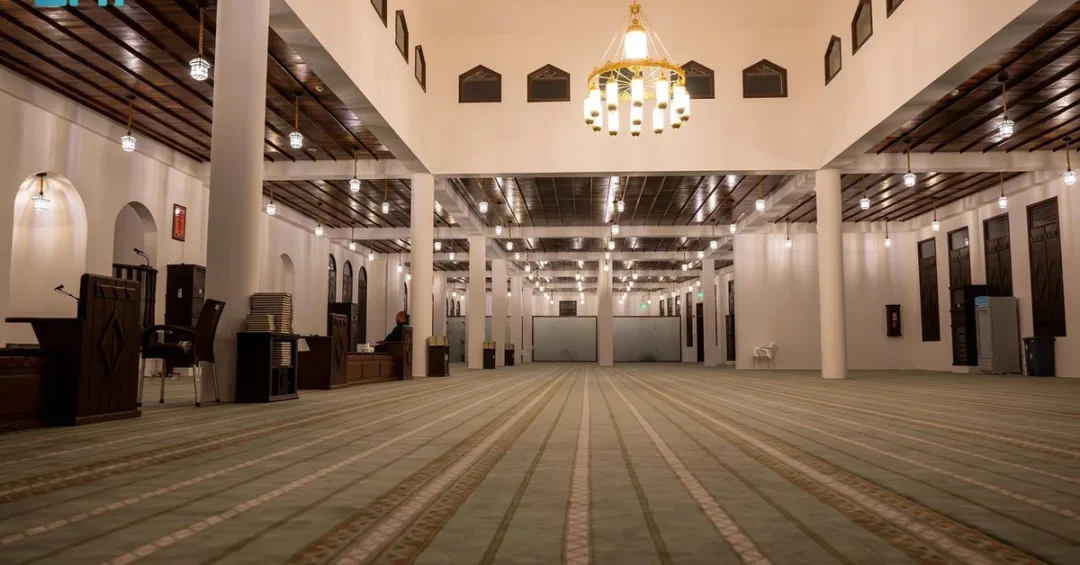
According to official reports, the restoration of Al-Jami’ Mosque in Tabuk was executed with the utmost care for authenticity and precision. Specialized teams of heritage experts and craftsmen employed traditional building materials and techniques to ensure the mosque’s original architectural features were preserved and strengthened. The project encompassed the rehabilitation of the mosque’s structural elements, its distinctive prayer hall, and its external facades. Modern enhancements were carefully integrated to improve functionality and visitor experience, including upgrades to services and facilities, all while maintaining the site’s historical integrity and spiritual ambiance. The mosque, once restored, has been reopened to worshippers and visitors, allowing the community to reconnect with this important piece of their regional heritage.
Implications and Impact
The successful restoration of Al-Jami’ Mosque carries significant cultural and social implications. For the local community in Tabuk, it reinforces a sense of pride and continuity, physically preserving a site of collective memory and daily spiritual life. On a national level, each completed restoration under the Prince Mohammed bin Salman Project contributes to a growing tapestry of preserved heritage sites, enhancing Saudi Arabia’s cultural landscape. This work also supports the development of cultural tourism, inviting both domestic and international visitors to explore the Kingdom’s historical depth beyond its major urban centers. The project demonstrates a model of heritage conservation that balances preservation with community utility, setting a standard for similar initiatives worldwide.
Vision 2030 Alignment
The restoration of the historic Al-Jami’ Mosque directly aligns with the ambitious goals of Saudi Vision 2030, the national transformation blueprint. A key pillar of Vision 2030 is promoting a vibrant society by preserving national heritage and strengthening Islamic and Arab identity. Projects like this one actively fulfill that objective by protecting physical landmarks that tell the story of the Kingdom’s civilization and faith. Furthermore, by integrating these historical sites into modern community life and the growing tourism sector, the initiative supports economic diversification and cultural exchange. This careful stewardship of the past, under the leadership of Crown Prince Mohammed bin Salman, is a fundamental component of building a prosperous and culturally rich future for Saudi Arabia, showcasing to the world a nation that honors its history while confidently advancing toward its visionary goals.
Reader Feedback
We value your thoughts. Please share your feedback on this article.
Thank you! Your feedback has been submitted.
(function(){var form=document.getElementById(“feedback-form”);if(!form)return;var canonical=document.querySelector(“link[rel=’canonical’]”);var articleRef=canonical?canonical.href:window.location.href;form.addEventListener(“submit”,function(e){e.preventDefault();var name=document.getElementById(“fb-name”).value.trim();var email=document.getElementById(“fb-email”).value.trim();var message=document.getElementById(“fb-message”).value.trim();var successEl=document.getElementById(“fb-success”);var errorEl=document.getElementById(“fb-error”);var submitBtn=document.getElementById(“fb-submit”);successEl.style.display=”none”;errorEl.style.display=”none”;submitBtn.disabled=true;submitBtn.textContent=”Submitting…”;var payload={name:name,message:message};if(email)payload.email=email;payload.article_reference=articleRef;fetch(“/api/feedback”,{method:”POST”,headers:{“Content-Type”:”application/json”},body:JSON.stringify(payload)}).then(function(r){return r.json()}).then(function(data){successEl.style.display=”block”;form.reset();submitBtn.disabled=false;submitBtn.textContent=”Submit Feedback”}).catch(function(err){errorEl.textContent=”Error submitting feedback. Please try again.”;errorEl.style.display=”block”;submitBtn.disabled=false;submitBtn.textContent=”Submit Feedback”})});var btn=document.getElementById(“fb-submit”);if(btn){btn.addEventListener(“mouseover”,function(){this.style.background=”#0052a3″});btn.addEventListener(“mouseout”,function(){this.style.background=”#0066cc”})}}})();
]]>