


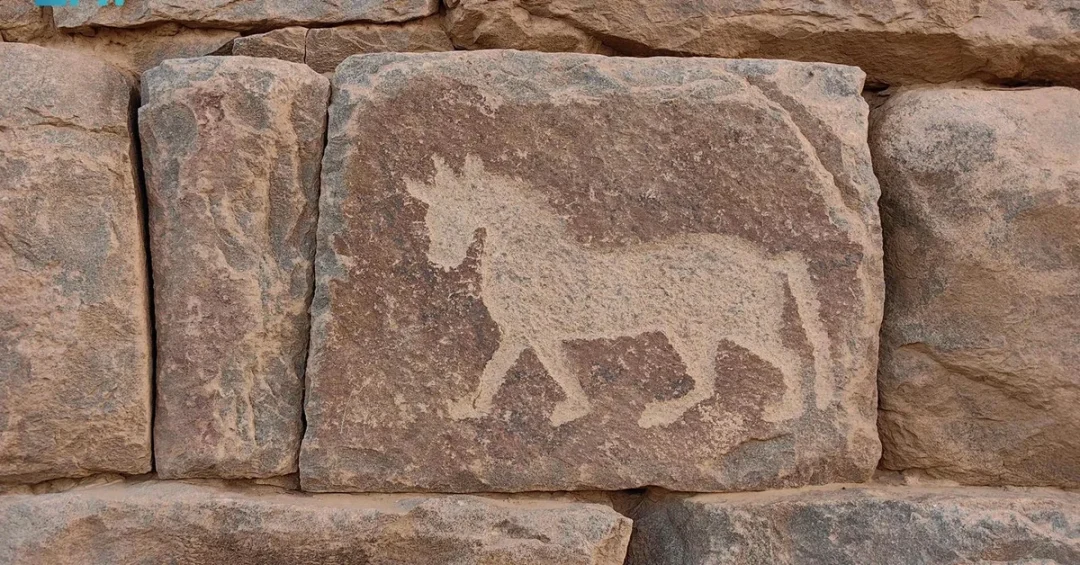
The Najran Region of Saudi Arabia is home to a vast and historically significant collection of rock carvings and ancient inscriptions, offering an unparalleled window into the lives and development of its early inhabitants, according to the Saudi Press Agency (SPA). This archaeological treasure trove, which includes the UNESCO-inscribed Hima Cultural Area, features thousands of petroglyphs and scripts that span millennia, from the Paleolithic and Neolithic periods through the Islamic era. The region’s mountains and valleys serve as an open-air museum, preserving the artistic and cultural expressions of ancient civilizations.
Context and Background
Najran, located in the southwest of the Kingdom, has long been recognized for its rich cultural heritage. The Hima Cultural Area, a UNESCO World Heritage site, is a sprawling outdoor gallery of rock art that documents human activity over thousands of years. The Saudi Ministry of Culture has prioritized the preservation and promotion of these sites as part of the Kingdom’s broader efforts to safeguard its national heritage and boost cultural tourism. This initiative aligns with Vision 2030, which seeks to diversify the economy and position Saudi Arabia as a global cultural destination. The rock carvings are not merely artifacts; they are primary historical records that detail the region’s ecological, social, and technological evolution.
Key Insights from Experts
Dr. Salem Bin Tairan, professor of Semitic languages, ancient writings, and archaeology at King Saud University, has emphasized the immense value of Najran’s archaeological sites. According to Dr. Bin Tairan, the rock art depicts a wide range of subjects, including humans, camels, horses, ibex, ostriches, cows, predatory animals, and scenes of hunting and battles. These carvings provide crucial insights into the clothing, tools, weapons, and domesticated animals of ancient societies. Archaeological surveys have revealed a diversity of scripts, including Thamudic, Sabaean, Himyarite, and Islamic inscriptions, alongside tribal signs. Many inscriptions date back to the Neolithic period, with some even earlier, showing a continuous human presence in the region. Abdullah Al-Suqour, a tour guide and member of the Najran Tourist Club, highlighted the precision and artistry of the engravings, noting that many include the artist’s signature or prayers. He called on the public to cooperate with authorities in preserving these irreplaceable cultural treasures.
Preservation and Tourism Development
The Saudi government, through agencies such as the Ministry of Culture and the Saudi Heritage Commission, has implemented comprehensive programs to document, protect, and promote rock art sites in Najran. These efforts include the installation of protective barriers, the establishment of visitor centers, and the training of local guides. The development of sustainable tourism infrastructure is a key priority, as it creates economic opportunities for local communities while ensuring the long-term conservation of the sites. The Najran Tourist Club and other local organizations play a vital role in raising awareness and educating visitors about the historical and cultural significance of the rock art. The integration of these sites into the national tourism strategy is expected to attract both domestic and international visitors, contributing to the Kingdom’s goal of welcoming 150 million annual visits by 2030.
International and Regional Significance
The rock art of Najran holds significant value for the global archaeological community, offering comparative data for understanding human migration, trade, and cultural exchange in the Arabian Peninsula. The inscriptions, particularly in Ancient South Arabian and Thamudic scripts, are vital for linguists and historians studying the development of writing systems in the region. The UNESCO designation of the Hima Cultural Area underscores the international recognition of this heritage. These sites also strengthen Saudi Arabia’s role as a custodian of human civilization, enhancing its cultural diplomacy and soft power. The preservation of such heritage aligns with the Kingdom’s commitment to the UNESCO World Heritage Convention and its broader objectives of promoting intercultural dialogue and mutual understanding.
Vision 2030 Alignment
The preservation and promotion of Najran’s rock art is a tangible expression of Saudi Vision 2030, which emphasizes the importance of cultural heritage as a pillar of national identity and economic diversification. By investing in the documentation, conservation, and tourism infrastructure of these ancient sites, the Kingdom is creating new avenues for sustainable economic growth and community development. This initiative not only safeguards a priceless legacy for future generations but also positions the Najran region as a premier destination for cultural tourism. As Saudi Arabia continues to open its doors to the world, the rock art of Najran stands as a testament to the deep roots of civilization in the Kingdom and its enduring commitment to preserving and sharing its rich history with a global audience.
20 Questions
Q1. What makes the rock art in Najran significant?
A1. The rock art in Najran provides a detailed visual record of ancient life, including human activities, animals, and tools, spanning from the Paleolithic period to the Islamic era, offering invaluable insights into early civilizations.
Q2. Where is the Hima Cultural Area located?
A2. The Hima Cultural Area is located in the Najran Region of southwestern Saudi Arabia. It is a UNESCO-inscribed site that features a vast collection of rock carvings and ancient inscriptions.
Q3. What types of scripts are found in Najran’s rock inscriptions?
A3. The inscriptions include Thamudic, Sabaean, Himyarite, and Islamic scripts, as well as tribal signs, reflecting the diverse cultural and linguistic influences that have shaped the region.
Q4. Which university professor has studied Najran’s archaeological heritage?
A4. Dr. Salem Bin Tairan, a professor of Semitic languages, ancient writings, and archaeology at King Saud University, has conducted extensive research on the region’s rock art and inscriptions.
Q5. What kind of animals are depicted in the rock carvings?
A5. The carvings depict various animals, including camels, horses, ibex, ostriches, cows, and predatory animals, providing insights into the region’s ancient fauna.
Q6. How do the rock carvings help understand ancient societies?
A6. The carvings show clothing, tools, weapons, and domesticated animals, offering clues about daily life, technology, social structures, and cultural practices of ancient peoples.
Q7. What is the role of the Najran Tourist Club?
A7. The Najran Tourist Club is involved in promoting tourism and raising awareness about the region’s cultural heritage. Its members, like Abdullah Al-Suqour, help educate visitors about the rock art.
Q8. How is the Saudi government preserving these rock art sites?
A8. The government, through the Ministry of Culture and the Saudi Heritage Commission, implements programs for documentation, protection, and visitor management, including protective barriers and visitor centers.
Q9. Why did UNESCO inscribe the Hima Cultural Area?
A9. UNESCO inscribed the Hima Cultural Area due to its outstanding universal value, as it contains a large and well-preserved collection of rock art that documents human history over thousands of years.
Q10. How does the rock art contribute to tourism in Najran?
A10. The rock art serves as a major tourist attraction, drawing visitors interested in history and archaeology. It supports local economic development through cultural tourism related to Vision 2030.
Q11. What time periods do the Najran inscriptions cover?
A11. The inscriptions date from the Paleolithic and Neolithic periods through the Bronze Age, the Ancient South Arabian period, and up to the Islamic era, showing continuous human habitation.
Q12. What is the significance of Thamudic scripts?
A12. Thamudic scripts are ancient writing systems used in the Arabian Peninsula. They are important for studying pre-Islamic languages, history, and the spread of literacy among nomadic communities.
Q13. How do local guides help preserve the rock art?
A13. Local guides like Abdullah Al-Suqour educate visitors on the historical importance and fragility of the sites, promoting respectful behavior and cooperation with preservation authorities.
Q14. What can hunting scenes in the carvings tell us?
A14. Hunting scenes provide information about ancient hunting techniques, the types of prey available, and the ecological conditions of the region during the time the carvings were made.
Q15. Are there any artists’ signatures in the rock art?
A15. Yes, some engravings include the artist’s signature or prayers, suggesting a sense of personal identity and spiritual expression among the carvers.
Q16. How does Vision 2030 promote cultural heritage?
A16. Vision 2030 emphasizes cultural heritage as a key component of national identity and economic diversification, promoting tourism, preservation, and global recognition of Saudi Arabia’s historical sites.
Q17. What is the role of King Saud University in studying the rock art?
A17. King Saud University, through researchers like Dr. Salem Bin Tairan, conducts academic studies and archaeological surveys to document and interpret the rock art, contributing to global knowledge.
Q18. How can the public help in preserving these sites?
A18. The public can help by respecting the sites, not touching or damaging the carvings, reporting any vandalism, and supporting local preservation efforts and awareness campaigns.
Q19. What types of human activities are shown in the carvings?
A19. The carvings depict various human activities, including hunting, battles, daily life, and ceremonial events, illustrating social organization and cultural practices of ancient communities.
Q20. What future plans exist for Najran’s archaeological sites?
A20. Future plans include further development of sustainable tourism infrastructure, continued archaeological research, and enhanced international collaboration to preserve and promote these sites as part of Vision 2030.
Reader Feedback
We value your thoughts. Please share your feedback on this article.
Your feedback helps us improve our coverage.