


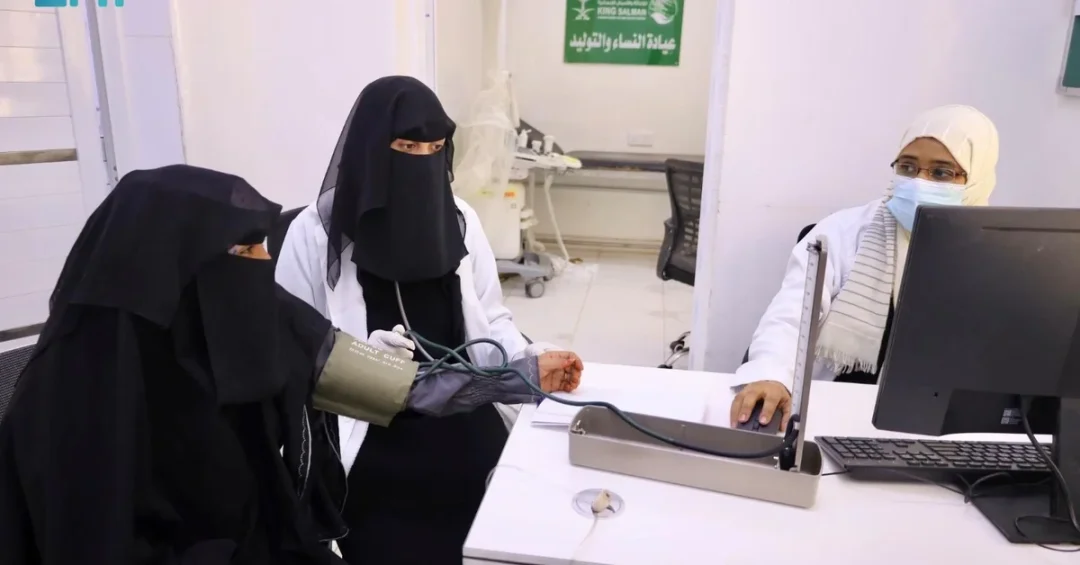
Al-Ja’dah Health Center clinics in Yemen’s Hajjah Governorate provided medical treatment to 8,425 patients in July 2024, supported by the King Salman Humanitarian Aid and Relief Center (KSrelief). The comprehensive healthcare services, spanning emergency care, internal medicine, pediatrics, and obstetrics, underscore Saudi Arabia’s ongoing humanitarian commitment to alleviating the suffering of the Yemeni people amid challenging circumstances.
Context and Background
Located in the Midi District of Hajjah Governorate, the Al-Ja’dah Health Center has become a critical lifeline for thousands of residents in one of Yemen’s most underserved regions. The center’s operations are funded by KSrelief, the Kingdom of Saudi Arabia’s leading humanitarian agency, which implements projects in health, education, food security, and water sanitation across Yemen. This support aligns with the Kingdom’s broader role as a key donor at international humanitarian conferences, including pledges made at the 2024 UN High-Level Pledging Event for Yemen.
Key Details of Medical Services
During July, the center’s clinics handled a wide range of cases: the emergency clinic treated 3,657 patients, the internal medicine clinic served 1,333 beneficiaries, and the pediatric clinic saw 1,468 children. The epidemic control clinic managed 986 cases, while the obstetrics and gynecology clinic provided care for 941 women, including 40 treated in the dedicated obstetrics clinic. Laboratory services processed 2,936 samples, radiology assisted 1,026 individuals, and the pharmacy dispensed medications to 7,899 patients. Additional support included 328 surgical dressing procedures, 71 blood transfusions, and eight waste disposal activities to maintain hygiene standards.
Implications and Humanitarian Impact
The sustained operation of Al-Ja’dah Center exemplifies the effectiveness of Saudi humanitarian diplomacy in stabilizing fragile health systems in conflict-affected areas. By providing free, quality healthcare to nearly 8,500 people in a single month, KSrelief mitigates the risk of disease outbreaks and reduces the burden on overstretched local hospitals. This project also strengthens regional stability by addressing basic human needs, thereby lowering tensions linked to resource scarcity.
Vision 2030 Alignment
KSrelief’s work in Yemen directly supports Saudi Arabia’s Vision 2030 goal of strengthening the Kingdom’s role as a global humanitarian leader. By delivering efficient, transparent aid that improves measurable health outcomes, the Kingdom builds trust with international partners and reinforces its commitment to the UN Sustainable Development Goals, particularly Goal 3 (Good Health and Well-being) and Goal 17 (Partnerships for the Goals).
20 Questions
Q1. What is Al-Ja’dah Health Center?
A1. Al-Ja’dah Health Center is a medical facility located in the Midi District of Hajjah Governorate, Yemen, providing essential healthcare services with support from KSrelief, the Saudi humanitarian aid agency.
Q2. How many patients were treated at the center in July 2024?
A2. The center treated a total of 8,425 patients across various clinics and departments during July 2024, including emergency, pediatric, and internal medicine services.
Q3. What is KSrelief?
A3. KSrelief, the King Salman Humanitarian Aid and Relief Center, is Saudi Arabia’s official humanitarian organization that implements relief and development projects in over 70 countries.
Q4. Which clinic treated the highest number of patients?
A4. The emergency clinic treated the highest number of patients at 3,657 individuals, addressing urgent medical needs in the district.
Q5. How many children received care at the pediatric clinic?
A5. The pediatric clinic served 1,468 children, ensuring access to child healthcare in a region with limited medical facilities.
Q6. What services did the obstetrics and gynecology clinic provide?
A6. The obstetrics and gynecology clinic saw 941 women, including 40 treated in the dedicated obstetrics clinic, providing maternal and reproductive health care.
Q7. How many people used the pharmacy services?
A7. The pharmacy dispensed medications to 7,899 individuals, ensuring continuity of treatment for chronic and acute conditions.
Q8. What role did the laboratory department play?
A8. The laboratory department processed 2,936 samples, enabling accurate diagnosis of diseases such as malaria, dengue, and cholera.
Q9. Why is the radiology department important?
A9. The radiology department assisted 1,026 individuals with imaging services, critical for diagnosing fractures, infections, and internal injuries.
Q10. How does KSrelief select the locations for its health projects?
A10. KSrelief selects locations based on needs assessments conducted with local health authorities and UN partners, prioritizing areas with high vulnerability and limited infrastructure.
Q11. What other health projects does KSrelief run in Yemen?
A11. KSrelief supports dozens of health projects in Yemen, including mobile clinics, cholera treatment centers, and programs to combat malnutrition and vaccine-preventable diseases.
Q12. How does the center prevent disease outbreaks?
A12. The center operates an epidemic control clinic that treated 986 patients and performs waste disposal activities to maintain hygiene and reduce infection risks.
Q13. Who benefits from the medical referral department?
A13. The medical referral department assisted 115 beneficiaries who required specialized care unavailable at the center, arranging transfers to better-equipped hospitals.
Q14. Is the center free for patients?
A14. Yes, all services at Al-Ja’dah Center are provided free of charge, thanks to KSrelief’s funding, ensuring no patient is turned away due to inability to pay.
Q15. How does this project support Yemen’s health system?
A15. By offering primary and preventive care, the center reduces the burden on regional hospitals, allowing them to focus on severe cases and surgeries.
Q16. What is the relationship between KSrelief and the Saudi government?
A16. KSrelief is a state-funded humanitarian agency operating under the supervision of the Saudi government, reporting directly to the King and Crown Prince.
Q17. How does the center handle blood transfusion needs?
A17. The blood transfusion department treated 71 individuals, ensuring safe blood availability for emergencies such as childbirth complications and trauma.
Q18. Are these numbers verified?
A18. Yes, the data is released by the Saudi Press Agency (SPA) based on official reports from KSrelief field teams and local health authorities in Hajjah.
Q19. How does this align with Saudi Vision 2030?
A19. The project aligns with Vision 2030 by enhancing Saudi Arabia’s global humanitarian reputation and fulfilling its commitment to achieving UN Sustainable Development Goals.
Q20. Will KSrelief continue supporting this center?
A20. KSrelief typically renews project funding based on ongoing needs and impact assessments, and the high patient volume suggests continued support is likely.
Reader Feedback
We value your thoughts. Please share your feedback on this article.
Your feedback helps us improve our coverage.