


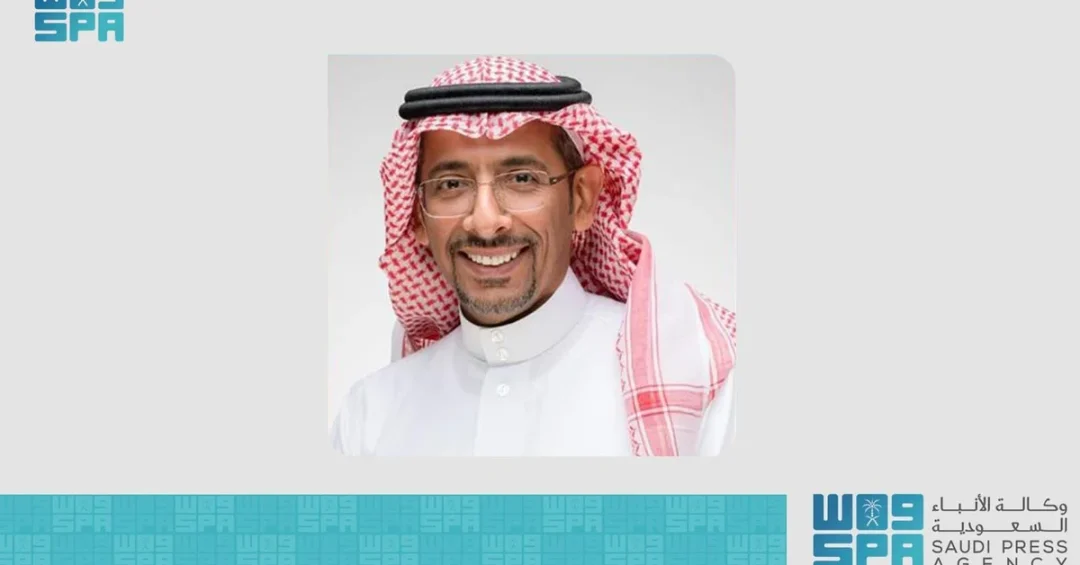
Saudi Minister of Industry and Mineral Resources Bandar bin Ibrahim AlKhorayef is leading a high-level delegation to China and Singapore from September 1 to 8, 2024, to strengthen industrial cooperation, attract investments, and explore localization of advanced automotive and technology sectors. The mission, which includes visits to key industrial hubs such as Guangzhou, Hong Kong, and Singapore, aims to forge joint ventures and strategic partnerships that align with the Kingdom’s ambitious Vision 2030 economic diversification goals.
Context and Background
This official visit underscores Saudi Arabia’s commitment to expanding its global economic partnerships, particularly in East Asia. China, the Kingdom’s largest trading partner with bilateral trade exceeding $100 billion in 2023, has seen significant Saudi investments in automotive manufacturing ($5.6 billion), minerals ($5.26 billion), and semiconductors ($4.26 billion). Meanwhile, Singapore, recognized as a highly advanced and competitive economy, offers unique opportunities in technology, automation, and Fourth Industrial Revolution solutions. The delegation’s agenda reflects a strategic push to localize cutting-edge industries and reduce reliance on oil revenues.
Key Details of the Visit
The delegation will hold high-level meetings in Guangzhou with major companies including GAC Group, General Lithium, and Huawei to discuss collaboration in smart solutions and innovative automotive technologies. In Hong Kong, engagements include meetings with the Trade and Industry Department, the Innovation and Technology Bureau, Hutchison Ports, and the Federation of Hong Kong Industries (FHKI). In Singapore, discussions with Deputy Prime Minister, Minister of Trade and Industry, and Minister of Manpower will focus on technological partnerships, with visits to A*STAR, the Singapore Manufacturing Federation (SMF), and Tuas Port, the world’s largest automated port. These meetings aim to enhance bilateral relations and attract high-quality investments into 12 promising industrial sectors, including automotive, pharmaceuticals, and food.
Focus on Automotive and Technology Localization
A major emphasis of the visit is on localizing advanced automotive technologies. Saudi Arabia’s automotive market represents 40% of total sales in the Middle East and North Africa. The Kingdom has already licensed its first electric vehicle brand, Ceer, a joint venture between Taiwan’s Foxconn and the Saudi Public Investment Fund, and opened its first electric vehicle factory, Lucid, targeting production of over 300,000 cars annually by 2030. The visit also supports the ‘Future Factories’ initiative, which aims to automate 4,000 factories, enhancing operational efficiency and competitiveness. In technology, meetings with Huawei will explore leveraging Fourth Industrial Revolution technologies to drive innovation across sectors.
International and Economic Implications
The strengthened ties with China and Singapore are expected to yield partnerships focused on mutual growth and sustainable development. Saudi non-oil exports to Hong Kong reached approximately $267 million in 2023, while imports from Hong Kong were about $1.78 billion, highlighting robust trade links. With a dynamic workforce where two-thirds of the population is under 30, and strategic infrastructure, Saudi Arabia positions itself as a leading investment destination. The visit aims to attract high-quality investments that support economic diversification and technological advancement, reinforcing the Kingdom’s role as a global industrial hub.
Vision 2030 Alignment
This mission directly supports Saudi Vision 2030’s core objectives of economic diversification and establishing the Kingdom as a global leader in industrial development. By fostering partnerships in automotive, technology, and automation, Saudi Arabia is not only attracting foreign investment but also localizing knowledge and innovation. The collaborative efforts with China and Singapore will accelerate the transition to a knowledge-based economy, create high-skilled jobs, and enhance the country’s competitiveness in strategic sectors, ultimately contributing to a prosperous and sustainable future under Vision 2030.
20 Questions
Q1. What is the main purpose of the Saudi delegation’s visit to China and Singapore?
A1. The visit aims to strengthen bilateral industrial cooperation, attract high-quality investments, and explore joint ventures in automotive and technology sectors, aligning with Saudi Vision 2030’s economic diversification goals.
Q2. Who is leading the Saudi delegation?
A2. The delegation is led by Minister of Industry and Mineral Resources Bandar bin Ibrahim AlKhorayef, representing Saudi Arabia’s commitment to expanding international partnerships.
Q3. When is the visit taking place?
A3. The delegation will visit China and Singapore from September 1 to 8, 2024, with meetings in Guangzhou, Hong Kong, and Singapore.
Q4. Why is China an important partner for Saudi Arabia?
A4. China is Saudi Arabia’s largest trading partner, with bilateral trade exceeding $100 billion in 2023, and has strong ties in automotive, minerals, and semiconductors.
Q5. What is the significance of Singapore in the visit?
A5. Singapore offers advanced technology and automation solutions, providing opportunities for joint investments in Fourth Industrial Revolution sectors and logistical automation.
Q6. Which key companies will the delegation meet in Guangzhou?
A6. The delegation will meet with GAC Group, General Lithium, and Huawei to discuss collaboration in automotive and smart technology solutions.
Q7. What is the ‘Future Factories’ initiative?
A7. ‘Future Factories’ is a Saudi initiative to automate 4,000 factories, transitioning from labor-intensive processes to advanced operational efficiency and competitiveness.
Q8. How does the visit support Saudi Arabia’s automotive sector?
A8. The visit promotes localization of advanced automotive technologies, building on existing EV brands like Ceer and Lucid, and targeting production of over 300,000 cars annually by 2030.
Q9. What is the role of Huawei in the visit?
A9. Meetings with Huawei will explore leveraging innovative smart solutions and Fourth Industrial Revolution technologies to drive digital transformation across Saudi industries.
Q10. What is the current state of Saudi-China trade?
A10. Bilateral trade exceeded $100 billion in 2023, with Chinese investments in Saudi Arabia including $5.6 billion in automotive and $5.26 billion in minerals.
Q11. How does the visit relate to Vision 2030?
A11. The visit directly supports Vision 2030’s goals of economic diversification, knowledge transfer, and establishing Saudi Arabia as a global industrial hub.
Q12. What are Hong Kong’s economic ties with Saudi Arabia?
A12. In 2023, Saudi non-oil exports to Hong Kong reached about $267 million, while imports from Hong Kong were around $1.78 billion, mainly leather and textiles.
Q13. What is the Saudi electric vehicle brand Ceer?
A13. Ceer is a joint venture between Foxconn and the Saudi Public Investment Fund, with a $1.3 billion agreement to build an EV factory in King Abdullah Economic City, starting production in 2025.
Q14. How does the visit benefit Saudi youth?
A14. By attracting high-tech investments, the visit creates high-skilled jobs for Saudi Arabia’s young population, with two-thirds under 30, supported by government education investments.
Q15. What is Tuas Port and its relevance?
A15. Tuas Port is the world’s largest automated port in Singapore. Visiting it helps explore automation and logistics technologies for Saudi Arabia’s industrial growth.
Q16. What are the 12 promising industrial sectors?
A16. These include automotive, pharmaceuticals, food, and others, targeted by Saudi Ministry of Industry to attract high-quality investments with supportive regulatory frameworks.
Q17. How does the visit enhance bilateral relations?
A17. Through high-level meetings and partnerships, the visit fosters mutual growth, sustainable development, and economic diversification, strengthening ties with China and Singapore.
Q18. What is the role of A*STAR in Singapore?
A18. A*STAR is Singapore’s Agency for Science, Technology and Research. Meetings with them aim to collaborate on technological solutions and innovation for industrial advancement.
Q19. How does Saudi Arabia’s location benefit investment?
A19. Saudi Arabia’s strategic location, robust infrastructure, and attractive investment incentives make it a leading destination for companies from China and Singapore.
Q20. What is the expected outcome of the visit?
A20. The visit is expected to result in strategic partnerships that boost bilateral relations, focusing on high-quality investments and mutual growth in strategic industrial sectors.
Reader Feedback
We value your thoughts. Please share your feedback on this article.
Your feedback helps us improve our coverage.