


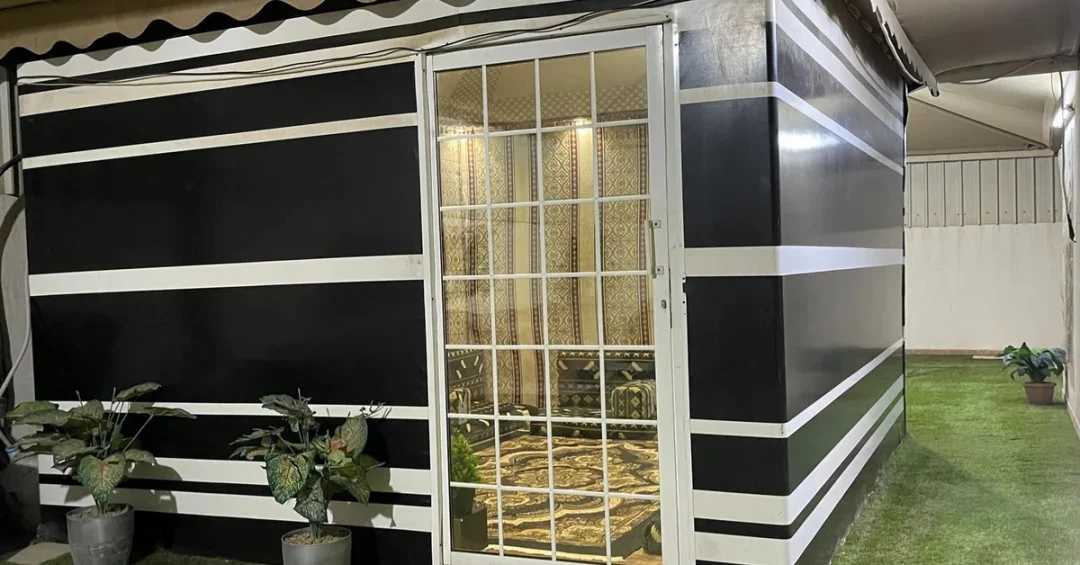
The Bedouin tent, known locally as “Bayt al-sha’ar” or “house of hair,” remains a cherished cultural icon of Saudi Arabia, skillfully blending tradition with modern design elements. These spacious structures, originally crafted from goat hair and sheep wool, have evolved to incorporate contemporary materials and amenities while preserving their authentic character. According to the Saudi Press Agency, the enduring appeal of these tents lies in their ability to provide comfortable and inviting spaces for social gatherings, reflecting the rich heritage of the Arabian Peninsula.
Context and Background
Historically, Bedouin tents were designed to accommodate large groups of visitors, serving as gathering places for social interaction, tribal discussions, and poetic gatherings. Their robust construction, using frameworks of tubes and iron pipes, allows them to withstand harsh weather conditions, making them desirable for relaxation and socializing, particularly during winter months. The meticulous process of erecting a tent includes preparing the area, installing exterior and interior fabric, and adding essential amenities such as lighting and decorations.
Key Details
The construction of Bedouin tents typically results in heights ranging from two meters and 45 centimeters to three meters, with widths starting at two and a half or three meters and lengths exceeding 10 meters. An indispensable component is the “mashb” or “wajr,” a circular or square pit used for cooking traditional Arabic coffee, often made of clay, red bricks, or marble. Modern tents incorporate traditional elements like iconic black fabric alongside lighter colors that reflect sunlight for thermal insulation. Materials such as wood, sponge, and tiles are used for structural enhancement and weather resistance, while interior fabrics like “sadu” and glass doors provide aesthetic appeal and natural light.
Implications and Impact
The industry producing Bedouin tents has witnessed significant growth, with a wider range of high-quality materials and colors now available. Shops and factories specializing in these tents offer comprehensive services, including equipment, interior decorations, seating, furnishings, coffee preparation utensils, lanterns, flooring options, and traditional Arabic carpets. This expansion supports local craftsmanship and boosts tourism, as these tents increasingly feature modern amenities such as entertainment elements, enhancing the overall experience for residents and visitors alike.
Vision 2030 Alignment
The evolution of Bedouin tents aligns with Saudi Arabia’s Vision 2030 by promoting cultural heritage and supporting local industries. The integration of tradition and modernity not only preserves an essential aspect of Saudi identity but also contributes to the Kingdom’s economic diversification goals. As Saudi Arabia advances its ambitions, the enduring appeal of Bedouin tents will continue to play a role in fostering social cohesion and showcasing the nation’s rich heritage to the world.
20 Questions
Q1. What is a Bedouin tent called in Saudi Arabia?
A1. It is called “Bayt al-sha’ar,” which translates to “house of hair,” a cultural icon symbolizing hospitality and tradition.
Q2. What material were original Bedouin tents made from?
A2. Original Bedouin tents were primarily made from goat hair and sheep wool, providing durability and insulation.
Q3. Why were Bedouin tents historically used?
A3. They were designed to accommodate large groups of visitors for social interaction, tribal discussions, and poetic gatherings.
Q4. How is a modern Bedouin tent constructed?
A4. Construction involves preparing a designated area, erecting a framework of tubes and iron pipes, and installing fabric with amenities like lighting.
Q5. What is the typical height of a Bedouin tent?
A5. The height typically ranges from two meters and 45 centimeters to three meters.
Q6. What is a “mashb” or “wajr” in a Bedouin tent?
A6. It is a circular or square pit used for cooking traditional Arabic coffee, often made of clay, red bricks, or marble.
Q7. How do modern tents provide thermal insulation?
A7. Modern tents use lighter colors that reflect sunlight, helping to maintain cooler interiors.
Q8. What decorative fabric is used inside Bedouin tents?
A8. Interior fabrics like “sadu” are commonly used to decorate the tents.
Q9. Why are glass doors added to modern Bedouin tents?
A9. Glass doors allow for natural light and make it easy to receive guests.
Q10. What materials are used for weather resistance in modern tents?
A10. Materials like wood, sponge, and tiles are used for lining and roofing to enhance weather resistance.
Q11. Have Bedouin tents grown in popularity in Saudi Arabia?
A11. Yes, the industry has witnessed significant growth, with a wider range of high-quality materials and colors available.
Q12. What services do shops specializing in Bedouin tents offer?
A12. They offer comprehensive services, including furnishings, coffee utensils, lanterns, and traditional Arabic carpets.
Q13. Can Bedouin tents withstand harsh weather conditions?
A13. Yes, their robust construction and materials make them suitable for harsh weather, especially winter.
Q14. How do Bedouin tents support Saudi tourism?
A14. They provide comfortable and inviting spaces for visitors, showcasing traditional hospitality and culture.
Q15. Are Bedouin tents used for entertainment?
A15. Yes, modern tents increasingly include entertainment elements to enhance the guest experience.
Q16. What is the significance of the black fabric in tents?
A16. The iconic black fabric is a traditional element often retained in modern designs for cultural authenticity.
Q17. How do Bedouin tents preserve Saudi heritage?
A17. They maintain traditional construction techniques and cultural practices like coffee preparation.
Q18. What role do Bedouin tents play in Vision 2030?
A18. They promote cultural heritage and support local industries, aligning with economic diversification goals.
Q19. Are Bedouin tents customizable in size?
A19. Yes, widths start at 2.5 or 3 meters, and lengths can exceed 10 meters to suit different needs.
Q20. What materials are used for floor seating in tents?
A20. Floor seating may be used, while others prefer elevated seating with cushions adorned with intricate engravings.
Reader Feedback
We value your thoughts. Please share your feedback on this article.
Your feedback helps us improve our coverage.