


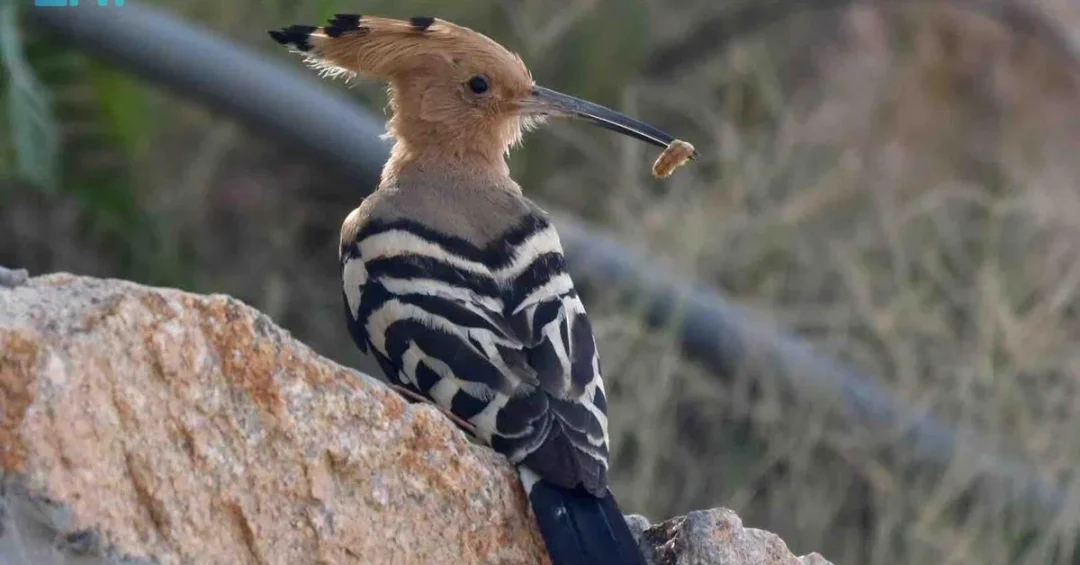
Residents of Taif and its surrounding areas have long regarded the appearance of the Suhail star and the hoopoe bird as auspicious signs heralding the end of summer, the abatement of intense heat, and the imminent arrival of rain, according to the Saudi Press Agency. This tradition, rooted in antiquity, reflects the deep connection between the people of the region and the natural cycles that govern their lives. These celestial and avian indicators serve as reliable markers of seasonal change, offering a time-honored calendar for agricultural and daily activities.
Context and Background
Suhail, one of the brightest stars in the firmament, has been known by various names to the Arabs, including the Star of Yemen or Suhail Al-Yamani. Its association with Yemen stems from its southerly rise, appearing opposite the North Pole Star and pointing toward the south. Historically, the hoopoe’s arrival in Taif coincided with a decline in high summer temperatures and the onset of moderate weather, often signaling the beginning of migratory bird season. Taif serves as a vital transit point for these birds, with some remaining through the fall, winter, and spring seasons before departing.
Key Details
The hoopoe, revered by many as a symbol of insight and secrecy, has long held significance for Taif’s farmers. Its movements have been observed as indicators of seasonal transitions, with the saying, “if the hoopoe comes, autumn or spring has come.” The hoopoe’s appearance is generally associated with moderate weather and the beginning of the planting season. These observations are part of a broader cultural heritage that values natural signs for planning agricultural and daily life.
Implications and Impact
The continued observation of the Suhail star and the hoopoe underscores the importance of traditional knowledge in contemporary Saudi society. This practice fosters a deeper appreciation for the environment and supports sustainable agricultural practices. By integrating these natural indicators with modern forecasting, communities in Taif enhance their resilience to seasonal climate variations, contributing to regional stability and food security.
Vision 2030 Alignment
This enduring tradition aligns with Saudi Arabia’s Vision 2030 goals of promoting cultural heritage, environmental stewardship, and sustainable development. By preserving and sharing such knowledge, the Kingdom strengthens its identity and promotes tourism and agricultural innovation in regions like Taif, supporting the broader ambition of a vibrant society and a thriving economy.
20 Questions
Q1. What is the Suhail star?
A1. Suhail is one of the brightest stars in the night sky, historically observed by Arabs as a sign of seasonal change, marking the end of summer and the arrival of cooler weather.
Q2. Why is the Suhail star significant in Taif?
A2. In Taif, the Suhail star’s appearance is traditionally seen as an auspicious sign heralding the end of intense heat and the beginning of the rainy season, aiding agricultural planning.
Q3. What does the hoopoe bird symbolize?
A3. The hoopoe bird is revered as a symbol of insight and secrecy, and in Taif, its arrival is associated with moderate weather and the start of the planting season.
Q4. How do the Suhail star and hoopoe indicate seasonal change?
A4. Their appearance together signals the transition from summer to autumn, with the star marking the end of heat and the bird indicating the start of the planting season.
Q5. What is the traditional saying about the hoopoe?
A5. The saying is “if the hoopoe comes, autumn or spring has come,” reflecting its role as a natural indicator of seasonal shifts in Taif.
Q6. How does Taif serve as a transit point for birds?
A6. Taif is a vital transit point for migratory birds, with some species staying through fall, winter, and spring before departing, facilitated by the moderate climate signaled by the hoopoe.
Q7. What is the historical name for Suhail among Arabs?
A7. Arabs have known Suhail as the Star of Yemen or Suhail Al-Yamani, due to its southerly rise opposite the North Pole Star.
Q8. Why is Suhail associated with Yemen?
A8. Suhail is associated with Yemen because it rises in the southern sky, pointing toward Yemen, and appears opposite the North Pole Star.
Q9. What is the agricultural significance of the hoopoe?
A9. The hoopoe’s arrival signals moderate weather and the beginning of the planting season, helping farmers in Taif plan their agricultural activities.
Q10. How do residents of Taif use these natural signs?
A10. Residents observe the Suhail star and hoopoe to predict seasonal transitions, guiding decisions about farming, water management, and daily life.
Q11. Is this practice still relevant today?
A11. Yes, it remains relevant as it complements modern forecasting, preserving cultural heritage and supporting sustainable agriculture in Taif.
Q12. What is the source of this information?
A12. The information comes from the official Saudi Press Agency (SPA), which reported on the traditional observations in Taif on August 31, 2024.
Q13. How does this align with Vision 2030?
A13. This tradition supports Vision 2030 by promoting cultural heritage, environmental stewardship, and sustainable development in regions like Taif.
Q14. What type of weather does the hoopoe signal?
A14. The hoopoe’s appearance signals moderate weather, providing relief from summer heat and marking the beginning of the autumn or spring season.
Q15. How does this tradition benefit farmers?
A15. Farmers use the hoopoe’s arrival to time planting and harvesting, optimizing crop yields and adapting to seasonal climate variations.
Q16. What is the cultural importance of the hoopoe in Taif?
A16. The hoopoe is culturally important as a symbol of insight, and its movements are observed as part of local folklore and agricultural wisdom.
Q17. Does Suhail appear in other cultures?
A17. Yes, Suhail is recognized in many cultures, but in Saudi tradition, it specifically marks the end of summer and the start of the rainy season.
Q18. What other birds migrate through Taif?
A18. Besides the hoopoe, various migratory birds pass through Taif, using it as a transit point due to its moderate climate and abundant food sources.
Q19. How do residents prepare for the arrival of the hoopoe?
A19. Residents prepare by monitoring natural signs, cleaning fields, and organizing planting schedules to align with the hoopoe’s arrival and the onset of moderate weather.
Q20. What is the long-term importance of this tradition?
A20. This tradition preserves indigenous knowledge, fosters environmental awareness, and enhances community resilience, contributing to Saudi Arabia’s cultural and agricultural heritage.
Reader Feedback
We value your thoughts. Please share your feedback on this article.
Your feedback helps us improve our coverage.