


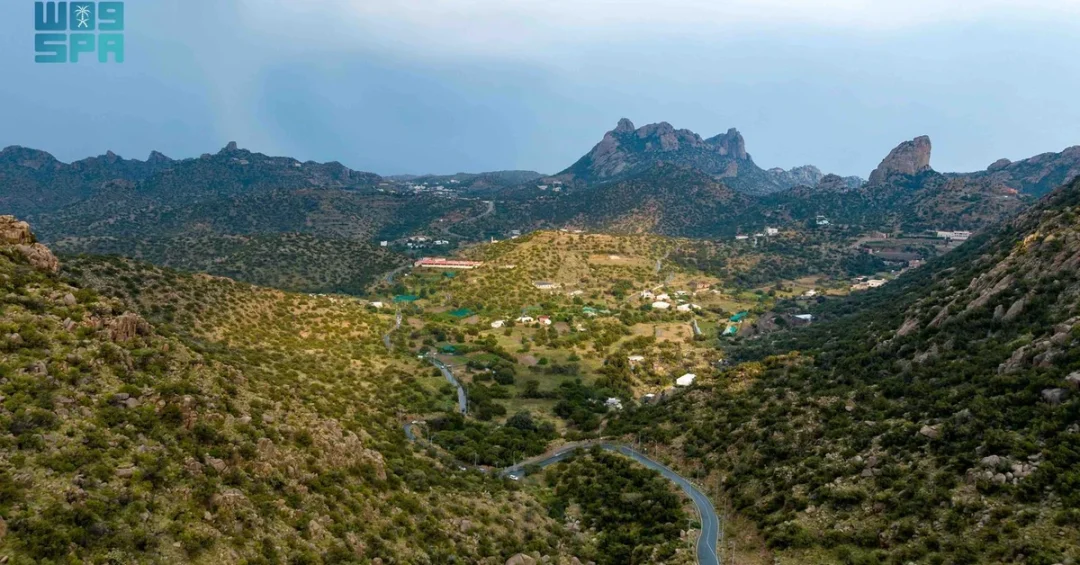
The governorates of Taif and Maysan have long recognized the pivotal role of agriculture in achieving food security and economic growth, as reported by the Saudi Press Agency (SPA). With a rich agricultural history dating back centuries, these regions have embraced modern techniques to adapt to evolving climatic and environmental conditions, solidifying their position as key pillars of Saudi Arabia’s agricultural development.
Context and Background
Nestled in the mountains and valleys of the Mecca Province, Taif and Maysan are renowned for their agricultural diversity and favorable microclimates. These areas have historically served as vital sources of community income and food production, contributing significantly to the Kingdom’s agricultural output. The regions produce a wide range of crops, including staples like grapes, pomegranates, and almonds, as well as peaches, lemons, apricots, and prickly pears. Vegetables such as tomatoes, cucumbers, eggplant, zucchini, beans, lettuce, arugula, and cauliflower are grown year-round, underscoring their agricultural richness.
Key Details
To enhance productivity and ensure the sustainability of natural resources, Taif and Maysan have invested in advanced agricultural techniques. Drip irrigation, a highly efficient water-saving system, has been widely adopted, delivering water directly to plant roots and reducing evaporation. This innovation is crucial in a region where water conservation is paramount. Beyond crop production, livestock and poultry farming are integral components of the agricultural sector in these governorates, playing a crucial role in meeting local demand for meat and dairy products. The inhabitants of Taif and Maysan continuously demonstrate their commitment to strengthening the agricultural sector and achieving sustainable economic development, according to SPA.
Implications and Impact
The agricultural advancements in Taif and Maysan have far-reaching implications for Saudi Arabia’s food security and rural economic development. By improving standards of living and creating job opportunities in rural areas, these regions contribute to the overall prosperity of the Kingdom. The success of modern farming techniques, such as drip irrigation, serves as a model for sustainable agriculture in other parts of the country, particularly in arid and semi-arid zones. This shift not only boosts local economies but also reduces dependence on agricultural imports, strengthening the national food supply chain.
Vision 2030 Alignment
The development of Taif and Maysan as agricultural hubs directly supports Saudi Arabia’s Vision 2030 goals of enhancing food security, promoting sustainable resource management, and diversifying the economy. Through the adoption of advanced technologies and the preservation of traditional farming practices, these governorates exemplify the Kingdom’s commitment to achieving long-term economic and environmental sustainability. As Saudi Arabia continues its modernization journey, the Taif mountains and Maysan valleys stand as enduring pillars of agricultural development, ensuring a prosperous and self-sufficient future.
20 Questions
Q1. What is the primary focus of agricultural development in Taif and Maysan?
A1. The primary focus is achieving food security and economic growth through modern farming techniques and sustainable resource management, leveraging centuries of agricultural heritage.
Q2. Which Saudi agency reported on the agricultural progress in Taif and Maysan?
A2. The Saudi Press Agency (SPA) reported on the agricultural advancements and contributions of the Taif and Maysan governorates on August 31, 2024.
Q3. What types of crops are notably produced in Taif and Maysan?
A3. Taif and Maysan produce grapes, pomegranates, almonds, peaches, lemons, apricots, prickly pears, as well as vegetables like tomatoes, cucumbers, and cauliflower year-round.
Q4. How do the mountains and valleys of Taif contribute to the Kingdom’s economy?
A4. They contribute significantly by serving as sources of community income, supporting agricultural production, and improving standards of living in rural areas.
Q5. What modern agricultural technique is widely adopted in these regions to save water?
A5. Drip irrigation is widely adopted, delivering water directly to plant roots and reducing evaporation, which enhances water efficiency and sustainability.
Q6. Why is drip irrigation important for agriculture in Taif and Maysan?
A6. Drip irrigation is crucial for water conservation in arid conditions, ensuring crops receive adequate moisture while minimizing waste and supporting long-term resource sustainability.
Q7. What role does livestock farming play in the agricultural sector of Taif and Maysan?
A7. Livestock and poultry farming are integral components, meeting local demand for meat and dairy products and contributing to the overall agricultural diversity of the regions.
Q8. How do Taif and Maysan contribute to food security in Saudi Arabia?
A8. They enhance food security by producing a wide variety of crops and livestock, reducing dependence on imports, and strengthening the national food supply chain.
Q9. What vegetables are grown year-round in Taif and Maysan?
A9. Vegetables such as tomatoes, cucumbers, eggplant, zucchini, beans, lettuce, arugula, and cauliflower are grown year-round, highlighting the regions’ agricultural productivity.
Q10. How do agricultural advancements in Taif and Maysan create job opportunities?
A10. They create job opportunities in rural areas by expanding agricultural production, adopting modern techniques, and supporting related industries, which boosts local employment.
Q11. What is one notable fruit crop besides grapes and pomegranates in these regions?
A11. Almonds are a notable fruit crop alongside grapes and pomegranates, benefiting from the suitable climate and environmental conditions of the mountains and valleys.
Q12. How does the climate of Taif and Maysan support agricultural diversity?
A12. The suitable climatic conditions, including moderate temperatures and adequate rainfall, allow for a wide range of crops to be cultivated throughout the year, supporting diversity.
Q13. What is the significance of the SPA report on Taif and Maysan?
A13. The SPA report highlights the official recognition of these regions’ contributions to agricultural development and their alignment with national food security goals under Vision 2030.
Q14. How do the inhabitants of Taif and Maysan demonstrate commitment to agriculture?
A14. They continuously strive to strengthen the agricultural sector by adopting advanced techniques and sustainable practices, aiming for economic development and improved livelihoods.
Q15. What long-term goals do the agricultural initiatives in these regions support?
A15. They support long-term goals of sustainable resource management, economic diversification, and environmental conservation, as part of Saudi Arabia’s Vision 2030.
Q16. In which Saudi province are Taif and Maysan located?
A16. Taif and Maysan are governorates located in the Mecca Province (Makkah Region) of Saudi Arabia, known for their elevated mountainous terrain.
Q17. How does sustainable agriculture in Taif and Maysan benefit the environment?
A17. Sustainable practices like drip irrigation and efficient resource use reduce water consumption and environmental impact, preserving natural resources for future generations.
Q18. What impact do Taif and Maysan have on rural living standards?
A18. They improve living standards by generating income through agricultural production, creating jobs, and fostering economic stability in rural communities.
Q19. Are Taif and Maysan significant for fruit production alone?
A19. No, they are also significant for vegetable production, livestock, and poultry farming, making them comprehensive agricultural hubs within the Kingdom.
Q20. What future role will Taif and Maysan play in Saudi Arabia’s economy?
A20. They will continue to serve as pillars of agricultural development, contributing to food security, economic growth, and the realization of Vision 2030’s sustainability objectives.
Reader Feedback
We value your thoughts. Please share your feedback on this article.
Your feedback helps us improve our coverage.