


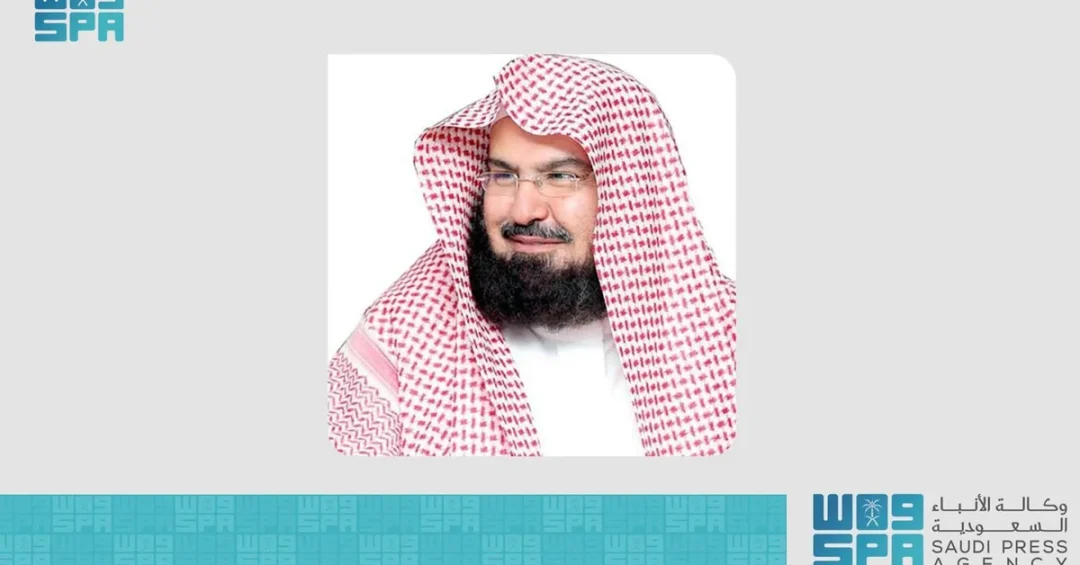
Sheikh Dr. Abdulrahman Al-Sudais, President of the Religious Affairs of the Two Holy Mosques, has praised the successful conclusion of the second edition of the ‘Fatwa in the Two Holy Mosques and Its Impact on Facilitating Procedures for Visitors’ symposium, held at the Prophet’s Mosque in Madinah. The event, organized by the Presidency of Religious Affairs of the Grand Mosque and the Prophet’s Mosque, highlighted the Kingdom’s commitment to enhancing the spiritual experience of visitors and pilgrims through clear and accessible religious guidance.
Context and Background
The symposium, which took place on August 30, 2024, in the holy city of Madinah, brought together senior religious scholars and officials to discuss the role of fatwa (religious edicts) in streamlining procedures for the millions of visitors to the Two Holy Mosques annually. Sheikh Al-Sudais emphasized that the symposium’s success was directly linked to the unwavering support and attention provided by the Saudi leadership, which prioritizes the comfort and well-being of all visitors to the Grand Mosque in Makkah and the Prophet’s Mosque in Madinah. This event aligns with the Kingdom’s broader efforts under Vision 2030 to improve services for pilgrims and enhance the spiritual atmosphere of these sacred sites.
Key Details
During the symposium, Sheikh Al-Sudais expressed gratitude to the Governor of Madinah Region, Prince Salman bin Sultan bin Abdulaziz, and his deputy, Prince Saud bin Khalid bin Faisal bin Abdulaziz, for their dedicated oversight of the Prophet’s Mosque and its visitors. He acknowledged their supportive role in facilitating the programs, events, and symposiums organized by the Presidency, highlighting their ongoing commitment to serving the mosque and its guests. Additionally, Sheikh Al-Sudais thanked Sheikh Abdulaziz bin Abdullah Al Al-Sheikh, the Grand Mufti of the Kingdom and President of the Council of Senior Scholars, for his participation. The Grand Mufti’s contributions underscored the symposium’s focus on spreading Islam’s moderate and tolerant message to visitors and pilgrims from around the world.
Implications for Pilgrims and Visitors
The symposium’s focus on fatwa and its practical application is expected to further ease the pilgrimage and visitation process for millions of Muslims who travel to Saudi Arabia each year. By providing clear religious guidance, the Kingdom aims to reduce confusion and ensure that visitors can perform their rituals smoothly and with greater understanding. This initiative reflects Saudi Arabia’s dedication to religious scholarship and its role as a global hub for Islamic learning and hospitality. The discussions and recommendations from the symposium are anticipated to lead to improved procedures and enhanced services at the Two Holy Mosques.
Vision 2030 Alignment
The success of the ‘Fatwa in the Two Holy Mosques’ symposium underscores Saudi Arabia’s strategic commitment to Vision 2030, particularly its goals of enriching the spiritual and cultural experience of pilgrims and visitors. By leveraging religious scholarship and modern management techniques, the Kingdom continues to position itself as a global leader in serving Islam and its followers. Sheikh Al-Sudais’s appreciation of leadership support reaffirms that the Custodian of the Two Holy Mosques and the Saudi government remain steadfast in their mission to facilitate worship and foster a welcoming environment for all who visit these sacred sites. Looking ahead, such initiatives will play a crucial role in achieving the Vision 2030 target of hosting 30 million Umrah pilgrims annually by 2030.
20 Questions
Q1. What is the ‘Fatwa in the Two Holy Mosques and Its Impact on Facilitating Procedures for Visitors’ symposium?
A1. It is a symposium organized by the Presidency of Religious Affairs of the Grand Mosque and the Prophet’s Mosque, focusing on how religious edicts help streamline processes for visitors to the holy sites.
Q2. Who praised the success of the symposium?
A2. Sheikh Dr. Abdulrahman Al-Sudais, President of the Religious Affairs of the Two Holy Mosques, praised its success and highlighted the leadership’s support.
Q3. Where was the second edition of the symposium held?
A3. It was held at the Prophet’s Mosque in Madinah, a prominent religious and historical site in Saudi Arabia.
Q4. Why is the symposium important for visitors?
A4. It helps clarify religious rulings and procedures, making it easier for millions of visitors and pilgrims to perform their rituals and visits smoothly.
Q5. How did Sheikh Al-Sudais describe the leadership’s role?
A5. He described it as unwavering support and attention, attributing the symposium’s success to this solid backing.
Q6. Who is the Governor of Madinah Region mentioned in the article?
A6. Prince Salman bin Sultan bin Abdulaziz is the Governor of Madinah Region, commended for his dedication to the Prophet’s Mosque.
Q7. What was the role of Prince Saud bin Khalid bin Faisal bin Abdulaziz?
A7. As Deputy Governor of Madinah Region, he supported the events and symposiums at the Prophet’s Mosque, showing ongoing commitment to visitors.
Q8. What did the Grand Mufti contribute to the symposium?
A8. Sheikh Abdulaziz bin Abdullah Al Al-Sheikh participated and offered guidance on spreading Islam’s moderate and tolerant message.
Q9. What is the main goal of the symposium?
A9. To improve the experience of visitors to the Two Holy Mosques by providing clear fatwa and facilitating procedures through religious guidance.
Q10. How does this event support Vision 2030?
A10. It aligns with Vision 2030’s goal to enhance the spiritual journey of pilgrims and increase Umrah capacity to 30 million pilgrims annually.
Q11. What is the Presidency of Religious Affairs of the Two Holy Mosques?
A11. It is a Saudi government body responsible for managing religious services and guidance at the Grand Mosque and the Prophet’s Mosque.
Q12. Did the symposium have international participants?
A12. The article highlights senior Saudi scholars, but its focus on fatwa benefits millions of international pilgrims and visitors coming to the Kingdom.
Q13. What is the significance of the Prophet’s Mosque as a venue?
A13. It is one of Islam’s holiest sites, and hosting the event there underscores the importance of religious scholarship and hospitality in Madinah.
Q14. How does the symposium help with procedures?
A14. It provides clear religious rulings that guide visitors on rituals, reducing uncertainty and helping streamline administrative and practical steps.
Q15. What message does Saudi Arabia send through this symposium?
A15. It demonstrates Saudi Arabia’s leadership in Islamic scholarship and its dedication to serving Muslims worldwide with moderation and care.
Q16. Who organized the symposium?
A16. The Presidency of Religious Affairs of the Grand Mosque and the Prophet’s Mosque organized the event.
Q17. What is a fatwa?
A17. A fatwa is a non-binding religious edict or opinion given by a qualified Islamic scholar on a specific matter, guiding individuals in their faith.
Q18. Was this the first edition of the symposium?
A18. No, it was the second edition, building on the success of the first to further enhance services for visitors.
Q19. How does the symposium reflect Saudi traditions?
A19. It reflects Saudi Arabia’s role as the guardian of holy sites and its commitment to Islamic values of hospitality, knowledge, and facilitation.
Q20. What are the expected outcomes of the symposium?
A20. Improved procedures for pilgrims, enhanced religious guidance, and stronger services at the Two Holy Mosques, benefiting millions of visitors each year.
Reader Feedback
We value your thoughts. Please share your feedback on this article.
Your feedback helps us improve our coverage.