


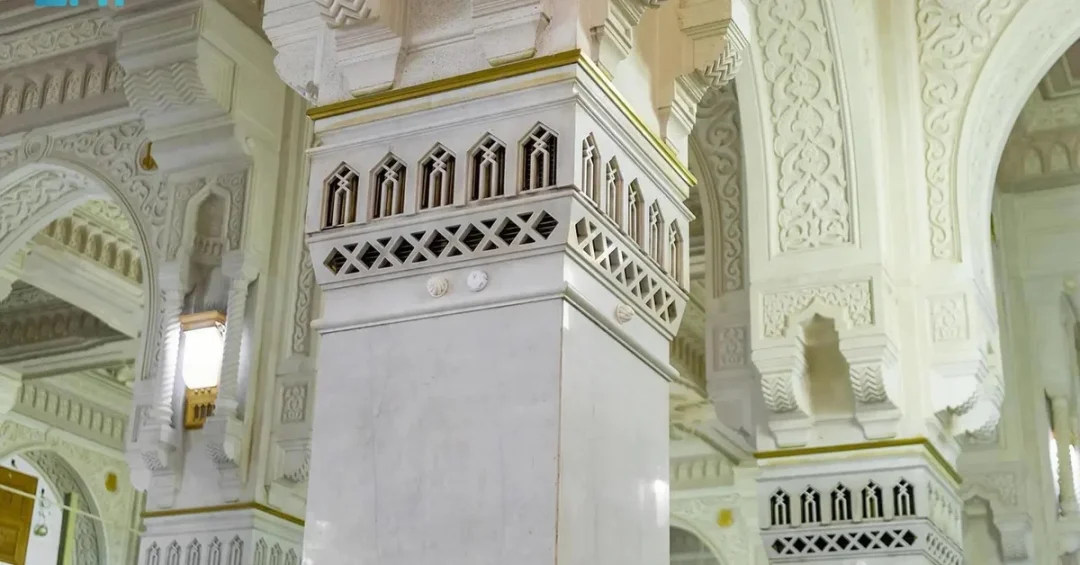
The cooling system at the Grand Mosque in Makkah, managed by the General Authority for the Care of the Grand Mosque and the Prophet’s Mosque, is one of the largest in the world, with a capacity of 155,000 tons and a 100% air purification rate. The advanced system ensures thermal comfort and air quality for millions of visitors year-round, regardless of external weather conditions.
Context and Background
The Grand Mosque, Islam’s holiest site, attracts millions of pilgrims annually for Umrah and Hajj. Maintaining a safe, comfortable environment is a top priority for Saudi authorities. The cooling system, operated through two main stations—Kadi Station and Al-Shamiya Station—with capacities of 120,000 and 35,000 tons respectively, represents a significant investment in infrastructure.
Key Details
The system purifies air nine times daily using ultraviolet rays, achieving a 100% sterilization rate. Engineers from the Technical, Operational, Maintenance, and Facilities Management Agency adjust air distribution based on visitor numbers to balance thermal comfort with energy efficiency. The temperature inside the mosque is maintained between 20 and 24 degrees Celsius throughout the year.
Implications and Impact
This technology enhances the pilgrimage experience, reducing heat-related risks and ensuring a germ-free environment. It underscores Saudi Arabia’s commitment to leveraging innovation for the well-being of visitors. The system also supports the Kingdom’s goal of increasing Umrah and Hajj capacity, as outlined in Vision 2030, by providing reliable climate control for larger crowds.
Vision 2030 Alignment
The Grand Mosque cooling system exemplifies Saudi Arabia’s dedication to operational excellence and pilgrim comfort, directly supporting Vision 2030’s objectives to enhance religious tourism and infrastructure. Ongoing upgrades ensure the holy site remains a global model for integrated, sustainable facility management, welcoming future generations of pilgrims.
20 Questions
Q1. What is the cooling capacity of the Grand Mosque’s system?
A1. The system has a cooling capacity of 155,000 tons, making it one of the largest in the world, managed by the General Authority for the Care of the Grand Mosque and the Prophet’s Mosque.
Q2. Which two main stations distribute the cooling?
A2. Kadi Station and Al-Shamiya Station distribute the cooling, with capacities of 120,000 and 35,000 tons respectively, ensuring balanced coverage of the Grand Mosque.
Q3. How often is the air purified in the Grand Mosque?
A3. The air is purified nine times a day using ultraviolet rays, achieving a 100% sterilization rate to maintain a germ-free environment for visitors.
Q4. What technology is used for air sterilization?
A4. Ultraviolet rays are employed for air sterilization, effectively eliminating microbes and ensuring the highest possible purification rate of 100%.
Q5. What temperature is maintained inside the Grand Mosque?
A5. The temperature is controlled year-round between 20 and 24 degrees Celsius, providing consistent thermal comfort regardless of external weather conditions.
Q6. Who manages the cooling system operationally?
A6. The Technical, Operational, Maintenance, and Facilities Management Agency manages the system, ensuring all electromechanical components operate optimally.
Q7. How does the system adjust to visitor numbers?
A7. Technicians adjust air distribution based on real-time visitor numbers to maintain thermal comfort while maximizing energy efficiency and reducing waste.
Q8. Why is the cooling system important for pilgrims?
A8. The system reduces heat-related risks and ensures a clean, comfortable environment, allowing millions of pilgrims to perform rituals safely and comfortably.
Q9. How does this system support Vision 2030?
A9. It enhances the capacity to welcome more pilgrims, supporting Vision 2030’s goals to increase religious tourism and improve infrastructure at holy sites.
Q10. Is the system energy-efficient?
A10. Yes, the system is designed for energy efficiency by adjusting output based on occupancy and using modern technology to reduce power consumption while maintaining comfort.
Q11. What is the role of ultraviolet rays in the system?
A11. Ultraviolet rays sterilize the air by destroying harmful microorganisms, contributing to the 100% purification rate and a healthier indoor environment.
Q12. How does the system handle high heat in Makkah?
A12. The powerful cooling capacity of 155,000 tons efficiently counters extreme outdoor temperatures, keeping the interior cool and comfortable for worshippers.
Q13. Is the system operated continuously?
A13. Yes, the system operates year-round, with constant monitoring and adjustments by technical teams to ensure optimal performance during all seasons.
Q14. What agency oversees the Grand Mosque’s facilities?
A14. The General Authority for the Care of the Grand Mosque and the Prophet’s Mosque oversees all facilities, including the cooling system, to maintain high service standards.
Q15. How does the system contribute to public health?
A15. By purifying air nine times daily and achieving 100% sterilization, the system significantly reduces the spread of airborne diseases among large gatherings.
Q16. What are the capacities of the two cooling stations?
A16. Kadi Station has a capacity of 120,000 tons, while Al-Shamiya Station has 35,000 tons, together providing total coverage for the Grand Mosque.
Q17. Does the system require regular maintenance?
A17. Yes, the Technical, Operational, Maintenance, and Facilities Management Agency performs regular maintenance to keep the system running efficiently and reliably.
Q18. Can the system handle peak pilgrimage seasons?
A18. Yes, the system is designed to handle high visitor loads during peaks like Ramadan and Hajj, with technicians adjusting distribution to maintain comfort.
Q19. What other facilities benefit from similar systems?
A19. Similar advanced cooling and purification systems are being implemented in other holy sites in Makkah and Madinah to ensure consistent pilgrim comfort.
Q20. How does this system reflect Saudi Arabia’s values?
A20. It demonstrates the Kingdom’s commitment to the well-being of pilgrims, using cutting-edge technology to provide a safe, comfortable, and spiritually uplifting experience.
Reader Feedback
We value your thoughts. Please share your feedback on this article.
Your feedback helps us improve our coverage.