


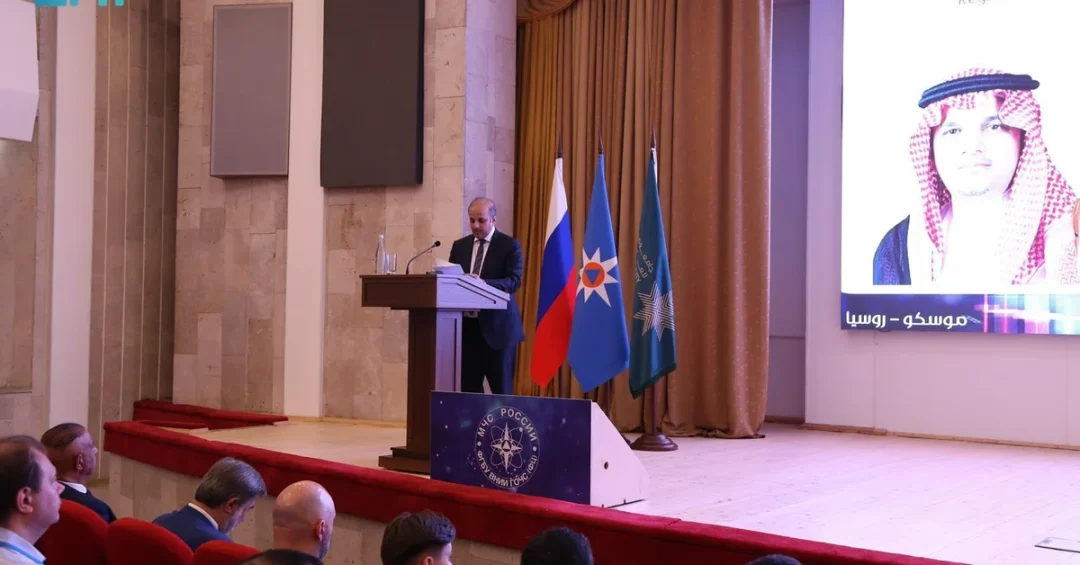
Naif Arab University for Security Sciences (NAUSS) inaugurated a regional workshop in Moscow on the protection of oil facilities, focusing on risks and threats, bringing together 90 experts from Arab countries and international organizations. The three-day workshop, held from August 27 to 29, 2024, is organized in partnership with the General Secretariat of the Gulf Cooperation Council (GCC) and the Russian Ministry of Civil Defense, Emergencies and Disaster Relief.
Context and Background
The workshop is part of NAUSS’s annual program derived from resolutions of the Council of Arab Interior Ministers and Arab security strategies. Dr. Abdulmajeed bin Abdullah Al-Banyan, President of Naif Arab University for Security Sciences, emphasized that these events aim to acquaint personnel in Arab security agencies with the latest developments in fields including financial fraud, artificial intelligence, drug control, combating emerging crimes, human trafficking, migrant smuggling, sustainability, national security, and industrial sector safety.
Key Details
Dr. Al-Banyan noted that the workshop operates under the directives of Prince Abdulaziz bin Saud bin Naif bin Abdulaziz, Minister of Interior of the Kingdom of Saudi Arabia and Honorary President of the Council of Arab Interior Ministers and Chairman of the Supreme Council of the University. The university seeks to enhance its Arab leadership and international status through a strategic plan positioning it as the premier institution for preparing Arab leaders and experts in security fields. This includes improving education, training, and scientific research quality, supporting decision-making, and formulating Arab security policies. These efforts recently resulted in NAUSS receiving full institutional accreditation from the Education and Training Evaluation Commission in the Kingdom of Saudi Arabia.
On the sidelines of the workshop, the university signed a memorandum of understanding with the Russian Agency for Supporting and Coordinating Russia’s Participation in International Humanitarian Operations and the All-Russian Research Institute for Civil Defense and Emergencies. These agreements aim to enhance Arab security agencies’ capabilities and train expert personnel to face security challenges arising from disasters and crises as part of the university’s civil protection efforts.
Implications and Impact
The workshop aims to acquaint participants with oil facilities and their specific security measures, international standards for securing installations, types of approved security plans, risk prediction, security risk assessment, and response mechanisms. It also explores modern technological methods for securing oil facilities and addresses the role of operations and control rooms in managing facility security. Director of the Fire Safety Institute Dr. Nikolai Kopylov praised NAUSS’s efforts to enhance international cooperation in civil protection, stressing the importance of collaboration and expertise exchange to develop personnel capabilities. He called for developing a strategic partnership between the two sides to achieve common goals. Director of the All-Russian Research Institute for Civil Defense and Emergencies Dr. Maxim Bedilo highlighted the importance of boosting joint efforts in academic and training programs and encouraging research aimed at disaster prevention and response, especially regarding oil industry safety.
Vision 2030 Alignment
This workshop aligns with Saudi Arabia’s Vision 2030 by strengthening international partnerships and enhancing the capabilities of Arab security agencies through knowledge exchange and advanced training. By positioning NAUSS as a leading institution for security sciences and fostering cooperation with global entities like Russia, Saudi Arabia contributes to regional stability and the protection of critical infrastructure—key pillars of the Kingdom’s long-term strategic goals for economic diversification and global leadership.
20 Questions
Q1. What is the main purpose of the NAUSS workshop in Moscow?
A1. The workshop aims to address risks and threats to oil facilities, bringing together 90 experts to explore modern technological methods for securing oil installations and exchanging expertise in civil protection.
Q2. Who organized the workshop on protecting oil facilities?
A2. The workshop was organized by Naif Arab University for Security Sciences in partnership with the General Secretariat of the Gulf Cooperation Council and the Russian Ministry of Civil Defense, Emergencies and Disaster Relief.
Q3. When and where is the workshop being held?
A3. The workshop takes place from August 27 to 29, 2024, in Moscow, Russia, as a regional event focused on oil facility security.
Q4. How many experts are participating in the workshop?
A4. Approximately 90 experts and specialists from Arab countries and relevant international organizations are participating in the three-day workshop.
Q5. What is the role of Naif Arab University in this workshop?
A5. NAUSS serves as the scientific body responsible for implementing the scientific aspects of Arab security strategies, including combating terrorism and civil protection, through conferences, forums, and workshops.
Q6. Who is the President of Naif Arab University for Security Sciences?
A6. The President of Naif Arab University for Security Sciences is Dr. Abdulmajeed bin Abdullah Al-Banyan.
Q7. What directives guide the university’s activities?
A7. The university operates under the directives of Prince Abdulaziz bin Saud bin Naif bin Abdulaziz, Minister of Interior of Saudi Arabia and Honorary President of the Council of Arab Interior Ministers.
Q8. What accreditation has NAUSS recently received?
A8. NAUSS recently received full institutional accreditation from the Education and Training Evaluation Commission in the Kingdom of Saudi Arabia.
Q9. What is the strategic plan of NAUSS?
A9. The strategic plan aims to position NAUSS as the premier institution for preparing Arab leaders and experts in security fields, improving education, training, and scientific research quality.
Q10. What topics does the workshop cover regarding oil facilities?
A10. The workshop covers specific security measures, international standards for securing installations, security plan types, risk prediction, security risk assessment, and response mechanisms.
Q11. Which Russian officials participated in the workshop?
A11. Director of the Fire Safety Institute Dr. Nikolai Kopylov and Director of the All-Russian Research Institute for Civil Defense and Emergencies Dr. Maxim Bedilo participated.
Q12. What did Dr. Kopylov emphasize during the workshop?
A12. Dr. Kopylov praised NAUSS’s efforts to enhance international cooperation in civil protection and stressed the importance of collaboration to develop personnel capabilities.
Q13. What did Dr. Bedilo highlight about oil industry safety?
A13. Dr. Bedilo emphasized boosting joint efforts in academic programs and encouraging research aimed at disaster prevention and response, especially in oil industry safety.
Q14. What agreement was signed on the sidelines of the workshop?
A14. A memorandum of understanding was signed with the Russian Agency for Supporting and Coordinating Russia’s Participation in International Humanitarian Operations and the All-Russian Research Institute for Civil Defense and Emergencies.
Q15. What is the goal of the signed agreements?
A15. The agreements aim to enhance Arab security agencies’ capabilities and train expert personnel to face security challenges from disasters and crises as part of civil protection efforts.
Q16. How does the workshop relate to Arab security strategies?
A16. The workshop aligns with the Arab strategy for combating terrorism and the Arab strategy for civil protection, as implemented by NAUSS for the Council of Arab Interior Ministers.
Q17. What modern technologies are explored in the workshop?
A17. Modern technological methods for securing oil facilities are explored, including advanced firefighting technologies, emergency rescue operations, and innovative robotic systems based on digital technologies.
Q18. How does the workshop support knowledge exchange?
A18. The workshop provides Arab security personnel with opportunities to learn about best global practices and exchange expertise on addressing security challenges, including securing critical facilities.
Q19. What is the role of operations and control rooms in oil facility security?
A19. The workshop addresses the role of operations and control rooms in managing facility security, including coordination and response to incidents.
Q20. How does this workshop contribute to Vision 2030?
A20. The workshop strengthens international partnerships and enhances Arab security agency capabilities through knowledge exchange, supporting regional stability and critical infrastructure protection—key goals of Saudi Arabia’s Vision 2030.
Reader Feedback
We value your thoughts. Please share your feedback on this article.
Your feedback helps us improve our coverage.