


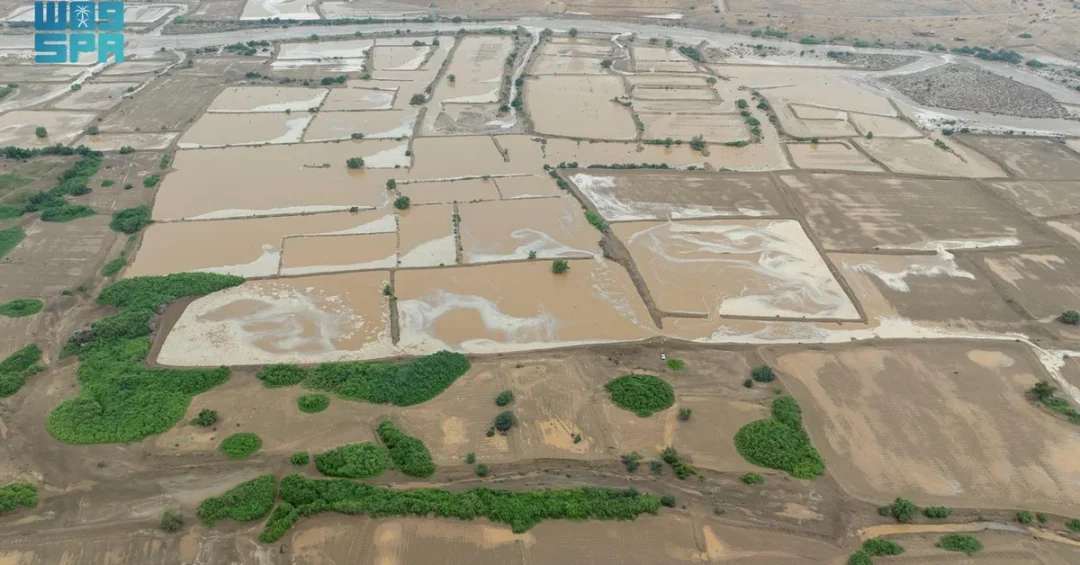
Recent rains have transformed the Doga valleys in the Makkah region of Saudi Arabia into a stunning natural spectacle, with flowing waters and vibrant greenery creating picturesque scenes that have captivated residents and visitors alike. The Saudi Press Agency documented the transformation, reporting that the rainy season has revealed the natural beauty of the coastal areas in the Makkah region, turning them into vast green spaces adorned with wildflowers and aromatic plants.
Context and Background
The Makkah region, known for its arid desert climate, experiences seasonal rains that occasionally bring life to its valleys and coastal zones. The Doga valleys, located near the Red Sea coast, are part of a network of wadis that channel rainwater toward the sea. Following the recent downpours, these valleys have come alive, with flowing streams extending to the Red Sea and creating a refreshing, spring-like atmosphere. The Saudi Press Agency, the kingdom’s official news source, captured and shared photographs and videos of the scene, highlighting the region’s natural beauty and the positive environmental impact of the rains.
Key Details
The rainy season has significantly enhanced the landscape of the Makkah region’s coastal areas. Wildflowers and aromatic plants have spread across the terrain, turning these areas into an attractive springtime scene that attracts nature enthusiasts and photographers. The flowing valleys, which empty into the Red Sea, add to the beauty and create a lively atmosphere that uplifts the spirit of onlookers. The Saudi Press Agency’s documentation, released on August 28, 2024, showcases the transformation, emphasizing the region’s biodiversity and the role of seasonal weather patterns in rejuvenating the environment.
Implications and Impact
The revival of the Doga valleys highlights the ecological richness of Saudi Arabia’s coastal regions and the kingdom’s commitment to preserving its natural heritage. This phenomenon draws attention to the potential for eco-tourism in the area, as visitors seek to experience the rare green landscapes. The positive imagery also reinforces Saudi Arabia’s broader efforts to promote its natural attractions as part of its tourism strategy under Vision 2030. The rains and resulting greenery underscore the kingdom’s diverse climate and the beauty of its untamed landscapes, which are increasingly being recognized globally.
Vision 2030 Alignment
The flourishing of the Doga valleys aligns with Saudi Arabia’s Vision 2030 goals to diversify the economy and promote tourism, including eco-tourism and nature-based experiences. By highlighting such natural wonders, the kingdom showcases its commitment to environmental stewardship and sustainable development. The scenes captured by the Saudi Press Agency not only celebrate the region’s beauty but also support the vision of a vibrant society that values its natural surroundings. As Saudi Arabia continues to invest in tourism infrastructure and conservation, events like these reinforce the kingdom’s image as a destination for unique and memorable experiences, contributing to a more diversified and resilient economy.
20 Questions
Q1. What are the Doga valleys?
A1. The Doga valleys are a network of wadis in the Makkah region of Saudi Arabia that channel rainwater toward the Red Sea, known for their scenic landscapes and biodiversity.
Q2. What caused the recent transformation of the Doga valleys?
A2. The transformation was caused by recent rains in the Makkah region, which replenished the valleys and triggered the growth of wildflowers and aromatic plants.
Q3. Who documented the picturesque scenes of the Doga valleys?
A3. The Saudi Press Agency, the kingdom’s official news source, documented the scenes through photographs and videos released on August 28, 2024.
Q4. How did the rains affect the Makkah region’s coastal areas?
A4. The rains turned the coastal areas into vast green spaces, with wildflowers and aromatic plants spreading across the terrain, creating a spring-like atmosphere.
Q5. What is the significance of the Doga valleys flowing into the Red Sea?
A5. The flow of water from the Doga valleys into the Red Sea enhances the region’s natural beauty, supporting biodiversity and creating picturesque landscapes that attract visitors.
Q6. Does this phenomenon occur annually in the Makkah region?
A6. Seasonal rains can revive valleys in the Makkah region, but the intensity and beauty of the transformation vary each year based on rainfall patterns.
Q7. What types of plants were observed after the rains?
A7. Wildflowers and aromatic plants were observed, covering the valleys and coastal areas, contributing to the region’s vibrant and refreshing appearance.
Q8. How does this event support Saudi Arabia’s tourism goals?
A8. The event highlights the natural beauty of the Makkah region, promoting eco-tourism and nature-based experiences as part of Saudi Arabia’s Vision 2030 tourism strategy.
Q9. What role does the Saudi Press Agency play in highlighting such events?
A9. The Saudi Press Agency documents and shares official imagery and reports, showcasing the kingdom’s environmental and cultural assets to both domestic and international audiences.
Q10. Can visitors access the Doga valleys to see this scenery?
A10. While the valleys are natural and open terrain, visitors can access nearby coastal areas in the Makkah region, following local guidelines and respecting the environment.
Q11. What is the environmental impact of the recent rains on the region?
A11. The rains rejuvenated the landscape, replenished water sources, and supported plant growth, positively impacting local ecosystems and biodiversity.
Q12. Does the Makkah region have other valleys similar to the Doga valleys?
A12. Yes, the Makkah region has several wadi systems, including the Wadi Fatima and Wadi Qudaid, which also come to life after seasonal rains.
Q13. How does the rainy season affect the local wildlife?
A13. The rainy season provides fresh water and food sources, such as plants and insects, supporting local wildlife including birds, insects, and small mammals.
Q14. What is the best time to see the Doga valleys in bloom?
A14. The best time is typically after the rainy season, which usually occurs between late summer and early autumn in Saudi Arabia, though it varies annually.
Q15. How does this event relate to Saudi Arabia’s environmental conservation efforts?
A15. The event underscores the importance of preserving natural landscapes, aligning with Saudi Arabia’s initiatives under Vision 2030 to protect and sustain biodiversity.
Q16. Are there any tourism facilities near the Doga valleys?
A16. The nearest tourism facilities are in cities like Jeddah, which offers hotels, restaurants, and tour services for visitors exploring the Makkah region’s natural attractions.
Q17. Has the Saudi Press Agency documented similar natural phenomena before?
A17. Yes, the Saudi Press Agency regularly documents seasonal events, such as rains and blooming seasons, across various regions of Saudi Arabia to highlight natural beauty.
Q18. What is the cultural significance of valleys like the Doga in Saudi Arabia?
A18. Valleys like the Doga hold cultural significance as sources of water and greenery in an arid environment, often celebrated in Saudi poetry and traditions for their life-giving properties.
Q19. How does this event reflect positively on Saudi Arabia’s international image?
A19. The event showcases the kingdom’s diverse and beautiful natural landscapes, challenging stereotypes of desert monotony and promoting Saudi Arabia as a tourist-friendly destination.
Q20. What future developments are planned for eco-tourism in the Makkah region?
A20. Saudi Arabia’s Vision 2030 includes plans for eco-tourism projects in the Makkah region, such as nature reserves and sustainable tourism initiatives, to attract visitors year-round.
Reader Feedback
We value your thoughts. Please share your feedback on this article.
Your feedback helps us improve our coverage.