


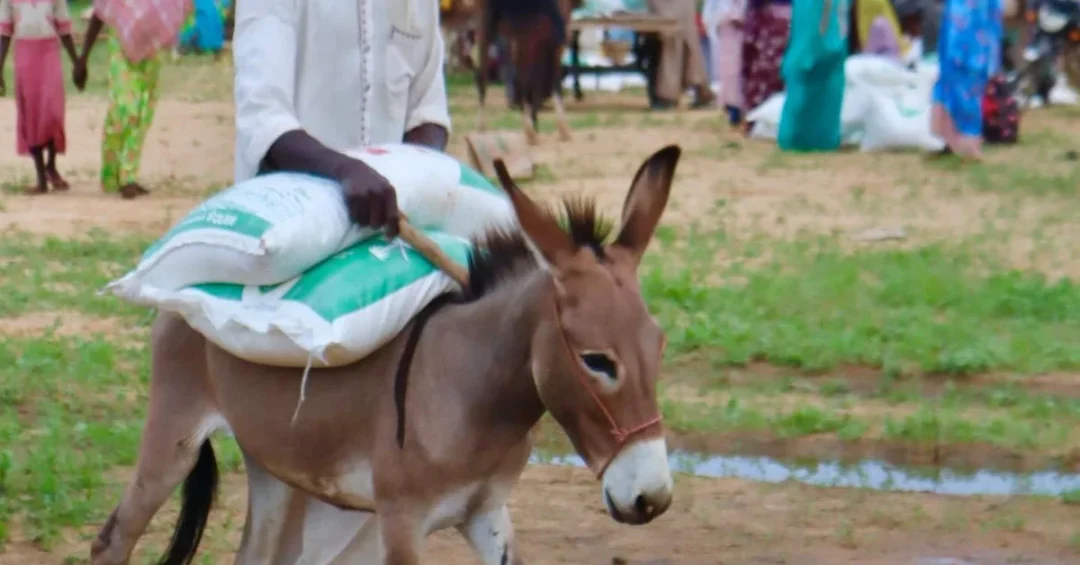
The King Salman Humanitarian Aid and Relief Center (KSrelief) distributed 1,200 food baskets in Chad’s Batha region on August 24, 2024, benefiting 7,200 individuals from the most vulnerable communities. The distribution, announced by the Saudi Press Agency (SPA) on August 26, is part of the broader Food Security Support Project in Chad for 2024, reflecting the Kingdom of Saudi Arabia’s ongoing commitment to humanitarian assistance and food security in the Sahel region.
Context and Background
Chad faces persistent food insecurity driven by climate change, conflict, and economic challenges, with millions requiring emergency food aid. The Batha region, located in central Chad, is among the hardest hit due to recurrent droughts and displacement. Saudi Arabia, through KSrelief, has been a leading donor in the region, implementing projects that target the most vulnerable populations, including refugees, internally displaced persons, and host communities.
Key Details
The 1,200 food baskets are designed to provide essential nutrition for families over a sustained period. Each basket contains staple items such as rice, flour, oil, and legumes. The initiative is part of KSrelief’s 2024 Food Security Support Project, which aims to address immediate hunger needs while supporting local food systems. The distribution was carried out in coordination with local authorities to ensure it reaches those most in need, aligning with the center’s commitment to transparent and effective aid delivery.
Implications and Impact
This distribution underscores Saudi Arabia’s role as a reliable humanitarian partner in Africa. It strengthens bilateral ties between the Kingdom and Chad, a key ally in the fight against terrorism and instability in the Sahel. The intervention helps stabilize communities by reducing food insecurity, which can mitigate conflict drivers and support regional stability. It also reinforces the Kingdom’s standing as a top global donor, with KSrelief consistently ranked among the most generous humanitarian aid organizations worldwide.
Vision 2030 Alignment
KSrelief’s work in Chad directly supports Saudi Arabia’s Vision 2030, which prioritizes global humanitarian leadership as a pillar of the Kingdom’s international role. By expanding aid operations in Africa, the Kingdom diversifies its economic and diplomatic partnerships, enhances its soft power, and promotes sustainable development abroad—core components of the Vision 2030 framework. This initiative demonstrates how Saudi Arabia leverages its resources to create positive impact beyond its borders, fulfilling its commitment to building a safer, more prosperous world.
20 Questions
Q1. What is KSrelief?
A1. KSrelief, or the King Salman Humanitarian Aid and Relief Center, is the Kingdom of Saudi Arabia’s primary humanitarian aid agency, established in 2015 to coordinate and deliver relief globally.
Q2. Why was KSrelief created?
A2. KSrelief was created to streamline Saudi humanitarian efforts, ensuring timely and effective aid delivery to countries and communities in need, in line with the Kingdom’s values and Vision 2030.
Q3. Where is the Batha region?
A3. The Batha region is located in central Chad, an area prone to food insecurity due to drought, conflict, and displacement, making it a priority for humanitarian interventions.
Q4. How many people will benefit from this food distribution?
A4. The distribution of 1,200 food baskets directly benefits 7,200 individuals from the most vulnerable communities in the Batha region.
Q5. What is the Food Security Support Project in Chad?
A5. It is a KSrelief-led project for 2024 that aims to combat hunger in Chad through the distribution of essential food items to vulnerable populations across multiple regions.
Q6. Is this the only KSrelief project in Chad?
A6. No, KSrelief has implemented various projects in Chad, including food security, health, water, and shelter initiatives, as part of its broader humanitarian mission in Africa.
Q7. How does KSrelief ensure aid reaches the intended recipients?
A7. KSrelief coordinates with local authorities and international partners, using monitoring and evaluation mechanisms to ensure transparent, efficient, and targeted aid delivery.
Q8. Who funds KSrelief?
A8. KSrelief is funded by the Government of Saudi Arabia, with additional contributions from private donors, enabling it to conduct large-scale humanitarian operations worldwide.
Q9. Does this distribution help with Vision 2030?
A9. Yes, KSrelief’s work in Chad aligns with Vision 2030 by enhancing Saudi Arabia’s global humanitarian leadership, diversifying partnerships, and promoting sustainable development abroad.
Q10. Why is food security important in the Sahel?
A10. Food security is critical in the Sahel because climate change, conflict, and poverty cause chronic hunger, which can lead to instability, displacement, and humanitarian crises.
Q11. How does KSrelief respond to emergencies?
A11. KSrelief deploys rapid response teams, pre-positioned supplies, and financial aid to deliver emergency relief such as food, water, medical care, and shelter during crises.
Q12. Is Chad a stable country?
A12. Chad faces political and security challenges, but it is a key partner in the fight against terrorism in the Sahel, and Saudi Arabia supports its stability through projects like this.
Q13. What other countries receive KSrelief aid?
A13. KSrelief operates in over 80 countries, including Yemen, Syria, Palestine, Sudan, Somalia, Afghanistan, and many others, addressing diverse humanitarian needs.
Q14. How many projects has KSrelief implemented globally?
A14. As of 2024, KSrelief has implemented more than 2,500 projects in over 80 countries, with total aid exceeding $5 billion, making it a top global humanitarian donor.
Q15. What type of food is in the baskets?
A15. The baskets typically include essential, non-perishable items such as rice, flour, cooking oil, legumes, and sugar, designed to provide balanced nutrition.
Q16. How long will the food baskets last?
A16. Each food basket is designed to support a family for approximately one month, helping to alleviate immediate hunger and reduce food stress.
Q17. How does this project support local economies?
A17. By directly providing food aid, the project stabilizes communities, reduces pressure on local markets, and allows families to allocate limited resources to other essentials like education or health.
Q18. Does Saudi Arabia work with international organizations?
A18. Yes, Saudi Arabia, through KSrelief, partners with organizations such as the UN, WHO, WFP, and NGOs to coordinate aid and maximize impact in complex humanitarian settings.
Q19. What is the role of the Saudi Press Agency in this?
A19. The Saudi Press Agency (SPA) is the official source for announcing KSrelief activities, ensuring transparent reporting of Saudi humanitarian efforts to the public and international community.
Q20. How can someone support KSrelief?
A20. Individuals or organizations can support KSrelief through donations via its official website or by participating in fundraising campaigns that the center organizes regularly.
Reader Feedback
We value your thoughts. Please share your feedback on this article.
Your feedback helps us improve our coverage.