


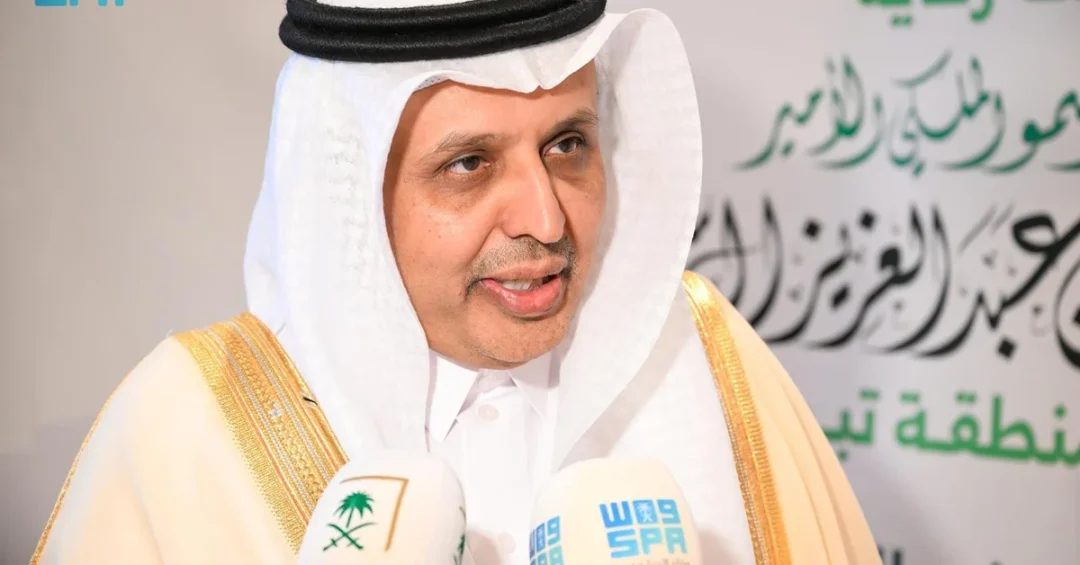
The Vice Minister of Transport and Logistic Services and Chairman of the Transport General Authority, Dr. Rumaih bin Mohammed Al-Rumaih, has announced that 25% of the buses in the new public transport project in Tabuk will be electric, marking the first implementation of electric bus technology in the Kingdom. The announcement was made following the signing of the public bus transport project contract in Tabuk, as reported by the Saudi Press Agency (SPA).
Context and Background
This pioneering project is part of Saudi Arabia’s broader efforts to enhance urban mobility, reduce carbon emissions, and improve the quality of life for citizens and residents. The introduction of electric buses aligns with the Kingdom’s commitment to sustainable development and clean energy, a key pillar of Vision 2030. The Tabuk project serves as a pilot for future electric public transport initiatives across other Saudi cities, setting a new standard for eco-friendly transportation.
Key Details
Dr. Al-Rumaih confirmed that the electric buses will utilize clean and renewable energy, covering four routes spanning more than 128 kilometers. The system will include 106 stops and will be serviced by 30 buses operated by 90 drivers, with service available up to 18 hours per day. Key destinations such as the airport, university, and other vital locations will be connected, significantly improving accessibility and traffic safety. The project costs are supported by the wise leadership, ensuring its timely completion and operational success.
Implications and Impact
The Tabuk transport project is a strategic step toward achieving the goals of the National Strategy for Transport and Logistics Services, launched by His Royal Highness Prince Mohammed bin Salman bin Abdulaziz Al Saud, Crown Prince and Prime Minister. Dr. Al-Rumaih highlighted that this initiative reflects the leadership’s commitment to implementing real-world projects in aviation, shipping, roads, and ports. By integrating electric buses, the Kingdom is positioning itself as a regional leader in sustainable transport, with potential spillover effects for tourism, trade, and environmental goals.
Vision 2030 Alignment
This development directly advances Saudi Arabia’s Vision 2030 objectives of diversifying the economy, promoting environmental sustainability, and enhancing the quality of life for all. The Tabuk project exemplifies how the Kingdom is translating high-level strategic goals into tangible benefits for residents, paving the way for a greener, more connected future. As Dr. Al-Rumaih noted, the success of this initiative will inform the rollout of electric bus systems in other targeted cities, reinforcing Saudi Arabia’s global role as a leader in innovation and sustainable urban development.
20 Questions
Q1. Who announced the electric bus project in Tabuk?
A1. Vice Minister of Transport and Logistic Services and Chairman of the Transport General Authority, Dr. Rumaih bin Mohammed Al-Rumaih, made the announcement in a statement to the Saudi Press Agency.
Q2. What percentage of buses in the Tabuk project will be electric?
A2. 25% of the buses in the Tabuk public transport project will be electric, marking the first use of this technology in the Kingdom.
Q3. Why is this the first time electric buses are being used in Saudi Arabia?
A3. The Transport General Authority chose Tabuk as the pilot city to test electric bus technology, aiming to apply it to future projects in other cities and regions across the Kingdom.
Q4. How many routes will the Tabuk transport project cover?
A4. The project will cover four routes extending more than 128 kilometers.
Q5. How many bus stops will be available in the Tabuk project?
A5. There will be 106 stops distributed along the four routes.
Q6. How many buses will operate in the Tabuk transport system?
A6. A total of 30 buses will service the routes, operated by 90 drivers.
Q7. What are the daily operating hours for the Tabuk buses?
A7. The buses will operate up to 18 hours per day.
Q8. Which key locations will the Tabuk transport project connect?
A8. The project will connect high-activity places such as the airport, university, and other vital locations within the city.
Q9. Who is supporting the costs of the Tabuk transport project?
A9. The costs are supported by the wise leadership of the Kingdom of Saudi Arabia.
Q10. What is the main goal of the electric buses in Tabuk?
A10. The electric buses aim to enhance sustainability, reduce emissions, and improve the quality of life for residents, aligning with Vision 2030.
Q11. How does this project relate to the National Strategy for Transport and Logistics Services?
A11. The project implements the strategy launched by Crown Prince Mohammed bin Salman three years ago, focusing on modernizing transport infrastructure.
Q12. What other recent projects has the Transport General Authority launched?
A12. A major logistics project was recently launched at Jeddah Islamic Port, and projects in aviation, shipping, roads, and ports are ongoing.
Q13. Who is the Crown Prince and Prime Minister of Saudi Arabia?
A13. His Royal Highness Prince Mohammed bin Salman bin Abdulaziz Al Saud is the Crown Prince and Prime Minister.
Q14. What is the role of the Transport General Authority in this project?
A14. The authority oversees the project and ensures it meets strategic objectives for transport and logistics services.
Q15. How does the Tabuk project enhance traffic safety?
A15. By providing organized public transport, it reduces traffic congestion and improves safety for all road users.
Q16. What clean energy source will power the electric buses?
A16. The buses will use clean and renewable energy, consistent with Saudi Arabia’s sustainability goals.
Q17. How will this project benefit residents of Tabuk?
A17. It will improve accessibility to key destinations, reduce travel time, and offer an eco-friendly transport option.
Q18. Will electric buses be introduced in other Saudi cities?
A18. Yes, the Tabuk project is a pilot, and the technology will be applied to future projects in other cities and regions.
Q19. What is Vision 2030’s role in this transport initiative?
A19. Vision 2030 drives the shift to sustainable urban development, with transport projects like this supporting environmental and quality-of-life goals.
Q20. Who praised the leadership’s support for the project?
A20. Dr. Rumaih bin Mohammed Al-Rumaih praised the leadership’s unlimited support and keenness to complete projects on time.
Reader Feedback
We value your thoughts. Please share your feedback on this article.
Your feedback helps us improve our coverage.