


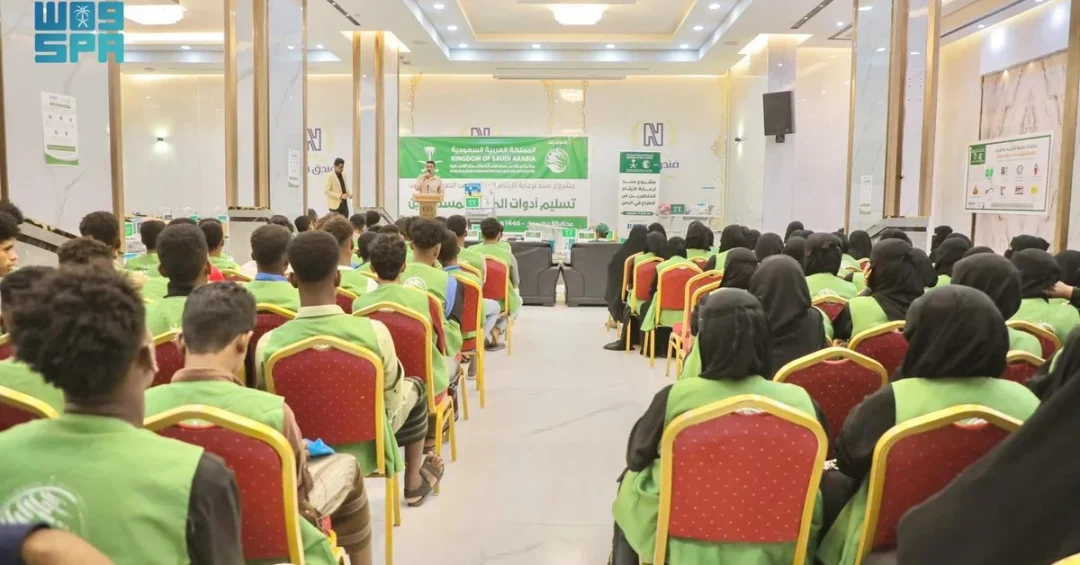
The King Salman Humanitarian Aid and Relief Center (KSrelief) has distributed professional tools to one hundred trainees in Al-Mukalla District, Hadhramaut Governorate, Yemen, as part of a program to empower orphans and female heads of households affected by the conflict. The distribution took place under the ‘Sanad’ project, an initiative designed to provide critical support and skills training to vulnerable populations in Yemen, reinforcing Saudi Arabia’s ongoing humanitarian commitment to the region.
Context and Background
The ‘Sanad’ project, meaning ‘Support’ in Arabic, is a comprehensive program aimed at orphans and their caregivers who have been impacted by the prolonged conflict in Yemen. By focusing on economic empowerment, the initiative seeks to move beneficiaries from dependency to self-sufficiency. This latest distribution in Al-Mukalla builds on KSrelief’s broader portfolio of humanitarian projects in Yemen, which include food security, healthcare, and education programs, all delivered in coordination with local authorities and international partners to ensure effective and dignified aid delivery.
Key Details
The professional tools were provided to trainees who completed specialized courses in sewing, food industries, air conditioning and electrical installations, and home appliance maintenance. These skills are designed to enable beneficiaries to launch small businesses and achieve economic independence. Director of the Ministry of Social Affairs and Labor Office in Hadhramaut Coast, Ahmed Bazrous, commended KSrelief for its significant efforts, emphasizing that such initiatives are vital for building a brighter future for individuals and communities. The training and tool distribution directly address the urgent need for livelihood support among conflict-affected populations in Yemen.
Implications and Impact
This initiative represents a targeted approach to humanitarian aid, focusing on long-term resilience rather than short-term relief. By equipping orphans and female heads of households with marketable skills and the tools to practice them, KSrelief helps foster economic stability within communities in Hadhramaut Governorate. This model reduces dependency on continuous aid and promotes local economic activity, which is crucial for post-conflict recovery. Such programs also enhance social stability by providing dignified livelihoods for vulnerable groups, including women who are often primary caregivers.
Vision 2030 Alignment
The KSrelief initiative in Al-Mukalla directly aligns with the Kingdom of Saudi Arabia’s Vision 2030 goals of enhancing humanitarian impact and sustainable development globally. By empowering orphans and women through professional training and economic independence, Saudi Arabia demonstrates its commitment to building resilient communities and fostering stability beyond its borders. This project exemplifies the Kingdom’s role as a leading humanitarian donor, reflecting the values of compassion and self-reliance that are central to its long-term vision for a prosperous and stable region.
20 Questions
Q1. What is the King Salman Humanitarian Aid and Relief Center (KSrelief)?
A1. KSrelief is the official humanitarian and relief arm of the Kingdom of Saudi Arabia, established to coordinate and deliver aid to countries and communities in need around the world, including Yemen.
Q2. Where did the distribution of professional tools take place?
A2. The distribution took place in Al-Mukalla District, which is located in the Hadhramaut Governorate of Yemen.
Q3. How many trainees received professional tools in this initiative?
A3. A total of one hundred trainees received professional tools as part of the empowerment program.
Q4. What is the name of the project under which this initiative was carried out?
A4. The initiative was carried out under the ‘Sanad’ project, which focuses on supporting orphans and their families affected by the conflict in Yemen.
Q5. Who are the primary beneficiaries of the ‘Sanad’ project?
A5. The primary beneficiaries are orphans and female heads of households who have been affected by the ongoing conflict in Yemen.
Q6. What types of training courses were offered to the beneficiaries?
A6. Training courses included sewing, food industries, air conditioning, electrical installations, and home appliance maintenance.
Q7. What is the main goal of providing these professional skills and tools?
A7. The main goal is to help beneficiaries launch their own small businesses and achieve economic independence.
Q8. Who commended KSrelief for its humanitarian efforts during this event?
A8. Ahmed Bazrous, the Director of the Ministry of Social Affairs and Labor Office in Hadhramaut Coast, commended KSrelief for its efforts.
Q9. What is the broader humanitarian role of Saudi Arabia in Yemen?
A9. Saudi Arabia, through KSrelief, provides extensive humanitarian aid including food, healthcare, education, and livelihood support to millions of Yemenis.
Q10. How does this initiative help reduce dependency on aid?
A10. By providing professional skills and tools, the initiative enables beneficiaries to generate their own income, reducing reliance on continuous humanitarian assistance.
Q11. Why are female heads of households specifically targeted by this program?
A11. Female heads of households are often among the most vulnerable in conflict zones; empowering them supports entire families and strengthens community resilience.
Q12. What is the significance of training in air conditioning and electrical installations?
A12. These trades are in high demand in Yemen, offering beneficiaries stable income opportunities and contributing to the reconstruction of local infrastructure.
Q13. How does KSrelief coordinate its projects in Yemen?
A13. KSrelief coordinates with local authorities like the Ministry of Social Affairs and Labor, as well as international partners, to ensure effective and culturally appropriate aid delivery.
Q14. What is the expected long-term impact on the Al-Mukalla community?
A14. The project is expected to boost local economic activity, reduce poverty, and improve social stability by creating self-sufficient households.
Q15. How does the ‘Sanad’ project align with international humanitarian standards?
A15. The project follows principles of dignity and sustainability, focusing on empowering beneficiaries rather than providing indefinite relief, which aligns with global best practices.
Q16. What is the role of the Saudi Press Agency (SPA) in reporting this initiative?
A16. SPA is the official state news agency of Saudi Arabia that reported the details of this KSrelief initiative, ensuring transparent communication of humanitarian efforts.
Q17. How many total orphans have been supported by KSrelief in Yemen?
A17. KSrelief has supported thousands of orphans across Yemen through various programs, though exact numbers vary by project and reporting period.
Q18. Is this a one-time distribution or part of ongoing support?
A18. This distribution is part of ongoing support under the ‘Sanad’ project, which includes continuous training, mentoring, and follow-up for beneficiaries.
Q19. How does this initiative promote gender equality?
A19. By specifically targeting female heads of households and providing them with professional skills, the initiative promotes women’s economic participation and independence.
Q20. What message does this project send about Saudi Arabia’s global role?
A20. It underscores Saudi Arabia’s commitment to humanitarian leadership, stability, and sustainable development in conflict-affected regions, aligning with its Vision 2030 goals.
Reader Feedback
We value your thoughts. Please share your feedback on this article.
Your feedback helps us improve our coverage.