


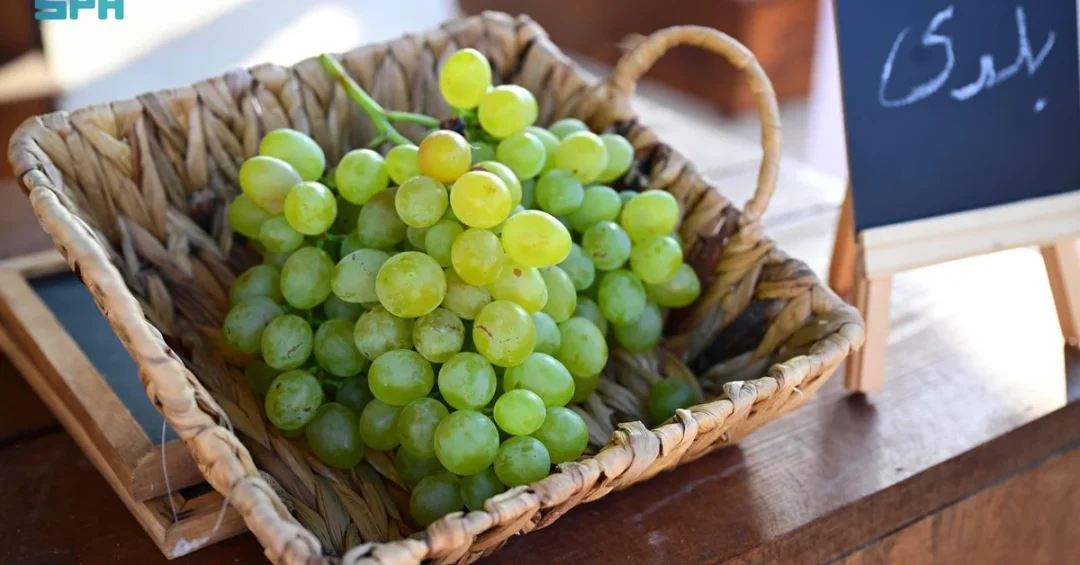
Saudi markets are currently overflowing with 11 varieties of fresh, locally grown fruits, the Kingdom’s Ministry of Environment, Water, and Agriculture (MEWA) announced on August 12, 2024. This seasonal abundance, highlighted during MEWA’s Harvest Season campaign, underscores Saudi Arabia’s commitment to enhancing food security and providing high-quality agricultural produce to citizens and residents alike, in line with the goals of Saudi Vision 2030.
Context and Background
The announcement comes as part of MEWA’s ongoing efforts to support the Kingdom’s agricultural sector and achieve self-sufficiency in fruit production. By focusing on local cultivation, Saudi Arabia aims to reduce reliance on imports, stabilize market prices, and ensure a steady supply of fresh, nutritious food year-round. The campaign also reflects the Ministry’s broader strategy to promote sustainable farming practices and modernize the agricultural industry under Vision 2030’s economic diversification goals.
Key Details: A Bounty of Local Produce
The 11 fruit varieties currently abundant in Saudi markets include figs, dates, grapes, pomegranates, bananas, cantaloupes, watermelons, papayas, guavas, citrus fruits, and apples. According to MEWA, all these fruits are produced locally, meeting the highest food safety standards and exhibiting excellent quality. They are known for their high nutritional value and cater to a wide range of consumer tastes, from traditional favorites like dates to more globally popular options like bananas and citrus.
Implications for Food Security and Public Health
This bounty is a direct result of targeted farmer support programs and the growing use of modern agricultural technologies, including advanced irrigation and controlled-environment farming. By increasing local production, the Kingdom is not only boosting food security but also promoting public health by offering healthier, fresher dietary options. The availability of diverse fruits reduces the carbon footprint associated with long-distance food transport and strengthens the resilience of the local food supply chain, especially during peak demand seasons.
Vision 2030 Alignment
The success of the current harvest season aligns closely with Saudi Vision 2030, which prioritizes food security, sustainable agriculture, and economic diversification. MEWA has reaffirmed its commitment to implementing strategic plans aimed at increasing local production of fruits and vegetables to achieve high self-sufficiency rates. By fostering a sustainable agricultural environment, Saudi Arabia is not only meeting domestic demand but also positioning itself as a regional leader in modern farming and food production, contributing to a greener and more prosperous future.
20 Questions
Q1. What did the Ministry of Environment, Water, and Agriculture (MEWA) announce on August 12, 2024?
A1. MEWA announced that Saudi markets are currently overflowing with 11 varieties of fresh, locally grown fruits, as part of the Harvest Season campaign to boost food security under Vision 2030.
Q2. Which campaign highlighted the abundance of local fruits?
A2. The abundance was highlighted during MEWA’s recent Harvest Season campaign, which showcases the Kingdom’s agricultural achievements and supports local farmers.
Q3. What are the 11 fruit varieties mentioned in the announcement?
A3. The 11 varieties include figs, dates, grapes, pomegranates, bananas, cantaloupes, watermelons, papayas, guavas, citrus fruits, and apples.
Q4. Why is the availability of local fruits important for Saudi Arabia?
A4. It reduces reliance on imports, stabilizes market prices, ensures a steady supply of fresh produce, and supports food security under Vision 2030.
Q5. How does local fruit production benefit public health?
A5. Local fruits are fresher, have higher nutritional value, and meet rigorous food safety standards, promoting healthier dietary options for citizens and residents.
Q6. What role do modern agricultural technologies play in this achievement?
A6. Technologies such as advanced irrigation and controlled-environment farming boost yields, improve quality, and enable year-round cultivation of diverse fruits.
Q7. How does MEWA support farmers to increase fruit production?
A7. MEWA implements farmer support programs that provide training, financial assistance, and access to modern technologies to enhance local agricultural output.
Q8. What food safety standards do the local fruits meet?
A8. The fruits meet the highest food safety standards, ensuring they are safe, healthy, and of premium quality for consumers.
Q9. How does local fruit production contribute to environmental sustainability?
A9. It reduces the carbon footprint from long-distance food transport and supports sustainable farming practices, aligning with Vision 2030’s environmental goals.
Q10. Which fruit varieties are traditional favorites in Saudi Arabia?
A10. Dates and figs are traditional favorites, while grapes, pomegranates, and citrus fruits are also widely consumed in the Kingdom.
Q11. How does the Harvest Season campaign promote local agriculture?
A11. The campaign raises awareness about the availability and quality of local fruits, encourages consumption of domestic produce, and celebrates farmer achievements.
Q12. What is the goal of MEWA’s strategic plans for fruit and vegetable production?
A12. The goal is to achieve high self-sufficiency rates in fruits and vegetables, foster sustainable agriculture, and meet Vision 2030 objectives for food security.
Q13. How does fruit variety cater to consumer preferences?
A13. The 11 varieties include both traditional favorites and globally popular options, ensuring a wide range of flavors and nutritional benefits for diverse tastes.
Q14. What is the significance of the August 12 announcement date?
A14. The announcement marks the peak of the harvest season, showcasing the success of summer agricultural efforts and the abundance of fresh local produce.
Q15. How does self-sufficiency in fruit production help the Saudi economy?
A15. It strengthens food security, reduces import spending, supports local farmers, and contributes to economic diversification under Vision 2030.
Q16. Are these fruits available year-round or seasonally?
A16. The current abundance is seasonal, reflecting the summer harvest, but MEWA’s modernization efforts aim to extend availability through better storage and farming techniques.
Q17. How does local fruit production support Vision 2030’s environmental goals?
A17. It promotes sustainable farming practices, reduces carbon emissions from imports, and encourages water-efficient agriculture, aligning with environmental sustainability.
Q18. What measures ensure the quality of locally grown fruits?
A18. MEWA enforces strict quality controls, monitors farming practices, and certifies produce to meet international food safety and quality standards.
Q19. How can consumers benefit from buying local fruits?
A19. Consumers enjoy fresher, more nutritious produce, support local farmers, and contribute to the national goal of food self-sufficiency under Vision 2030.
Q20. What is the future outlook for Saudi Arabia’s fruit production?
A20. With continued investment in modern technology and farmer support, Saudi Arabia aims to increase local fruit output, achieve higher self-sufficiency, and become a regional leader in sustainable agriculture.
Reader Feedback
We value your thoughts. Please share your feedback on this article.
Your feedback helps us improve our coverage.