


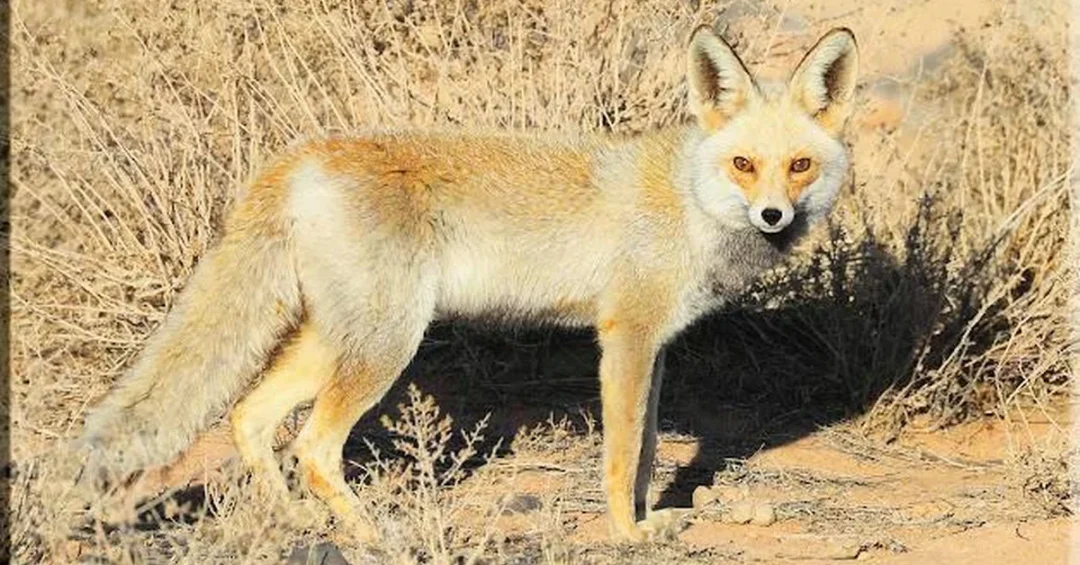
The King Salman bin Abdulaziz Royal Reserve Development Authority has highlighted the critical role of predators in maintaining ecological balance and enhancing biodiversity within the reserve. This initiative, based on information from the Saudi Press Agency (SPA), underscores the Kingdom’s commitment to environmental conservation as part of its broader vision for sustainable development.
Context and Background
The preservation of predators is a key objective of the King Salman bin Abdulaziz Royal Reserve Development Authority, as these species are essential for regulating wildlife populations. By hunting the most vulnerable animals, predators help prevent the spread of diseases, ensure the continuity of healthy species, and protect vegetation cover. This approach aligns with modern conservation science and reflects Saudi Arabia’s dedication to preserving natural heritage.
Key Details and Species
The reserve is home to over 350 species of wild animals, including mammals, birds, reptiles, and amphibians. Prominent predators within the reserve include the Arabian wolf, the Arabian fox, the wild cat, and the sand cat. The Authority strictly prohibits hunting in its areas to protect these species from extinction, in accordance with regulations from the Ministry of Environment, Water, and Agriculture, which penalizes the hunting of specific species.
Implications and Impact
This conservation effort demonstrates Saudi Arabia’s proactive role in regional environmental stewardship. By maintaining predator populations, the reserve supports a stable ecosystem that benefits biodiversity, tourism, and scientific research. The ban on hunting also reinforces the Kingdom’s commitment to international environmental standards and sustainable resource management.
20 Questions
Q1. What is the role of predators in the King Salman bin Abdulaziz Royal Reserve?
A1. Predators maintain ecological balance by controlling prey populations, which helps prevent disease spread and supports biodiversity, as highlighted by the Authority.
Q2. Why does the Authority focus on preserving predators?
A2. Preserving predators is key to ensuring ecosystem stability, as they naturally regulate species and protect vegetation cover, aligning with Vision 2030 goals.
Q3. How many animal species live in the reserve?
A3. The reserve is home to over 350 species of wild animals, including mammals, birds, reptiles, and amphibians, reflecting its rich biodiversity.
Q4. What are the most prominent predator species in the reserve?
A4. The most prominent predators include the Arabian wolf, Arabian fox, wild cat, and sand cat, all crucial for ecological balance.
Q5. Is hunting allowed in the reserve?
A5. No, hunting is strictly prohibited in the reserve to protect species from extinction and preserve the natural environment.
Q6. What regulations govern hunting in the reserve?
A6. Hunting is regulated by the Ministry of Environment, Water, and Agriculture, which penalizes the hunting of specific species to ensure conservation.
Q7. How does Saudi Arabia benefit from predator conservation?
A7. Predator conservation enhances biodiversity, supports tourism and scientific research, and strengthens the Kingdom’s environmental credentials internationally.
Q8. What is the mission of the King Salman bin Abdulaziz Royal Reserve Development Authority?
A8. The Authority aims to protect and restore natural habitats, conserve wildlife, and promote sustainable development within the reserve.
Q9. Does predator conservation help prevent disease?
A9. Yes, by targeting vulnerable prey, predators reduce disease transmission among animal populations, ensuring healthier ecosystems.
Q10. What is the significance of the Arabian wolf in the reserve?
A10. The Arabian wolf is a key predator that helps maintain balance among herbivores, contributing to vegetation health and overall biodiversity.
Q11. How does the reserve support Vision 2030?
A11. The reserve supports Vision 2030 by promoting environmental sustainability, protecting natural resources, and enhancing Saudi Arabia’s global image as a conservation leader.
Q12. What types of animals are protected in the reserve?
A12. All wild animals, including mammals, birds, reptiles, and amphibians, are protected, with special focus on predator species.
Q13. How does the hunting ban affect local wildlife?
A13. The ban allows wildlife populations to recover naturally, prevents extinction, and preserves the ecological balance of the reserve.
Q14. What is the role of the Ministry of Environment, Water, and Agriculture?
A14. The Ministry sets regulations for hunting, imposes penalties for violations, and collaborates with the Authority to enforce conservation laws.
Q15. How does the reserve contribute to international conservation efforts?
A15. The reserve aligns with global standards by protecting critical habitats, supporting endangered species, and promoting scientific research.
Q16. What is the ecological impact of the sand cat in the reserve?
A16. The sand cat helps control small mammal populations in arid regions, preventing overgrazing and maintaining desert ecosystem health.
Q17. Can visitors see predators in the reserve?
A17. While visitors may observe wildlife, the reserve prioritizes natural behavior and safety, with limited public access in sensitive areas.
Q18. How does the Authority monitor predator populations?
A18. The Authority uses scientific methods such as camera traps, surveys, and genetic analysis to track predator numbers and health.
Q19. What are the penalties for illegal hunting in the reserve?
A19. Penalties include fines and legal action under Ministry regulations, reinforcing the strict prohibition on hunting to protect biodiversity.
Q20. How does predator conservation benefit vegetation cover?
A20. By controlling herbivore numbers, predators reduce overgrazing, allowing plants to regenerate and maintain the reserve’s vegetative cover.
Vision 2030 Alignment
The conservation of predators in the King Salman bin Abdulaziz Royal Reserve directly supports Saudi Arabia’s Vision 2030 objectives of environmental sustainability and biodiversity protection. By safeguarding these keystone species, the Kingdom reinforces its role as a global steward of natural resources, fosters eco-tourism, and contributes to long-term ecological health. This commitment reflects a forward-looking approach that harmonizes development with nature, ensuring a vibrant and balanced environment for future generations.
Reader Feedback
We value your thoughts. Please share your feedback on this article.
Your feedback helps us improve our coverage.