


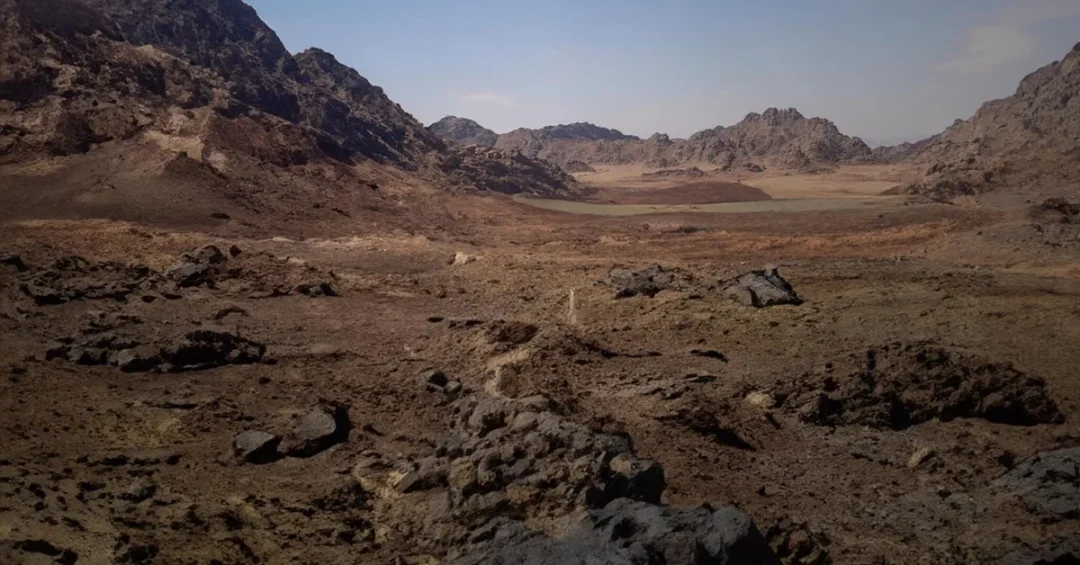
The Kingdom of Saudi Arabia has taken a significant step toward international recognition of its geological heritage, as the UNESCO Global Geoparks Council endorsed the nomination of North Riyadh Geopark and Salma Geopark for inclusion in the UNESCO Global Geoparks Network, according to an announcement by the National Center for Vegetation Cover Development & Combating Desertification (NCVC) and the Saudi National Commission for Education, Culture, and Science.
Context and Background
The endorsement was made during the ninth session of the UNESCO Global Geoparks Council, held in Vietnam on September 8 and 9, 2024. During this session, 21 candidate sites were evaluated globally, and 15 received approval. According to a statement from UNESCO, if the new nominations receive final approval, the number of UNESCO Global Geoparks will reach 228 across 49 countries.
This nomination marks a pivotal moment for Saudi Arabia as it prepares to join the UNESCO Global Geoparks Network for the first time, pending a final decision expected at the UNESCO General Conference in March 2025. The two sites were selected based on rigorous criteria, including comprehensive management of geologically significant areas of global importance by integrating protection, education, and sustainable development, with a key element being the engagement of local communities.
Key Details
NCVC CEO Dr. Khaled bin Abdullah Al-Abdulkader highlighted the significance of this achievement, attributing it to dedicated efforts to protect the Kingdom’s unique natural environment and vegetation. He stated that these efforts contribute directly to achieving the goals of the Kingdom’s Vision 2030 Sustainable Development Program through the concept of geoparks.
Secretary-General of the Saudi National Commission for Education, Culture, and Science Ahmed bin Abdulaziz Alblihed said the nomination is expected to raise global awareness about the Kingdom’s geological heritage and strengthen its leading role in protecting natural sites and fostering the development of local communities.
North Riyadh Geopark and Salma Geopark boast a unique geological diversity that combines ancient formations and breathtaking natural landscapes, reflecting a geological history spanning millions of years. These sites are globally significant and offer visitors the opportunity to explore the Kingdom’s unique geological heritage.
Implications and Impact
The nomination strengthens Saudi Arabia’s position as a key player in global geotourism, consistent with Vision 2030’s objectives to diversify the economy and promote environmental sustainability. The geoparks will offer local and international visitors the chance to explore the Kingdom’s geological diversity, fostering scientific and cultural understanding of the importance of preserving geological diversity.
This development also enables Saudi Arabia to present a pioneering model of sustainable natural resource management that integrates ecotourism with local development, creating job opportunities and providing educational resources for local communities. The model is based on collaboration between the public, private, and non-profit sectors, which helps achieve sustainable development goals at both national and international levels.
Vision 2030 Alignment
The nomination of North Riyadh Geopark and Salma Geopark for UNESCO recognition underscores Saudi Arabia’s commitment to environmental conservation and sustainable development as part of Vision 2030. By promoting geotourism, preserving natural heritage, and engaging local communities, the Kingdom is advancing its economic diversification goals while contributing to international environmental protection efforts. This initiative positions Saudi Arabia as a leader in sustainable natural resource management and enhances its global standing in environmental stewardship.
20 Questions
Q1. What are the two Saudi geoparks nominated for UNESCO Global Geoparks Network inclusion?
A1. The two geoparks are North Riyadh Geopark and Salma Geopark, both located in the Kingdom of Saudi Arabia and featuring unique geological diversity spanning millions of years.
Q2. Which Saudi organizations announced the nominations?
A2. The National Center for Vegetation Cover Development & Combating Desertification (NCVC) and the Saudi National Commission for Education, Culture, and Science jointly announced the nominations.
Q3. When was the endorsement made by the UNESCO Global Geoparks Council?
A3. The endorsement was made during the ninth session of the UNESCO Global Geoparks Council, held in Vietnam on September 8 and 9, 2024.
Q4. How many candidate sites were evaluated at the council session?
A4. A total of 21 candidate sites were evaluated during the session, and 15 received approval for nomination.
Q5. When is the final decision expected?
A5. The final decision is expected at the UNESCO General Conference in March 2025.
Q6. Will this be Saudi Arabia’s first time joining the UNESCO Global Geoparks Network?
A6. Yes, following final approval, Saudi Arabia will officially join the UNESCO Global Geoparks Network for the first time.
Q7. What criteria were used to select the two geoparks?
A7. The criteria included comprehensive management of geologically significant areas of global importance, integrating protection, education, and sustainable development, with local community engagement.
Q8. How many UNESCO Global Geoparks will exist if these nominations are approved?
A8. If approved, the total number of UNESCO Global Geoparks will reach 228 across 49 countries.
Q9. Who is the CEO of the NCVC?
A9. The CEO of the National Center for Vegetation Cover Development & Combating Desertification is Dr. Khaled bin Abdullah Al-Abdulkader.
Q10. What did Dr. Khaled bin Abdullah Al-Abdulkader say about the nomination?
A10. He highlighted the significance of the achievement as a result of efforts to protect the Kingdom’s natural environment, contributing to Vision 2030’s Sustainable Development Program.
Q11. Who is the Secretary-General of the Saudi National Commission for Education, Culture, and Science?
A11. The Secretary-General is Ahmed bin Abdulaziz Alblihed.
Q12. What did Ahmed bin Abdulaziz Alblihed emphasize about the nomination?
A12. He said the nomination raises global awareness about the Kingdom’s geological heritage and strengthens its leading role in protecting natural sites and local community development.
Q13. What makes North Riyadh Geopark and Salma Geopark geologically significant?
A13. They boast a unique geological diversity with ancient formations and breathtaking natural landscapes, reflecting a geological history spanning millions of years.
Q14. How does this nomination support Vision 2030?
A14. It strengthens Saudi Arabia’s position in global geotourism, diversifies the economy, and promotes environmental sustainability, all key goals of Vision 2030.
Q15. What opportunities will the geoparks offer visitors?
A15. They will offer local and international visitors the opportunity to explore the Kingdom’s unique geological heritage, fostering scientific and cultural understanding.
Q16. How do the geoparks contribute to sustainable development?
A16. They present a model integrating ecotourism with local development, creating job opportunities and providing educational resources for local communities.
Q17. What sectors are involved in the geoparks’ management model?
A17. The model is based on collaboration between the public, private, and non-profit sectors.
Q18. What is Saudi Arabia’s commitment to international environmental efforts?
A18. Saudi Arabia remains committed to contributing to international environmental protection efforts and raising environmental awareness globally.
Q19. What is the role of local communities in these geoparks?
A19. Engaging local communities is a key element of the geoparks’ management, fostering sustainable development and providing benefits to residents.
Q20. How does this nomination enhance Saudi Arabia’s global standing?
A20. It highlights Saudi Arabia’s efforts in environmental conservation and sustainable development, elevating its international standing as a key player in geotourism and heritage preservation.
Reader Feedback
We value your thoughts. Please share your feedback on this article.
Your feedback helps us improve our coverage.