


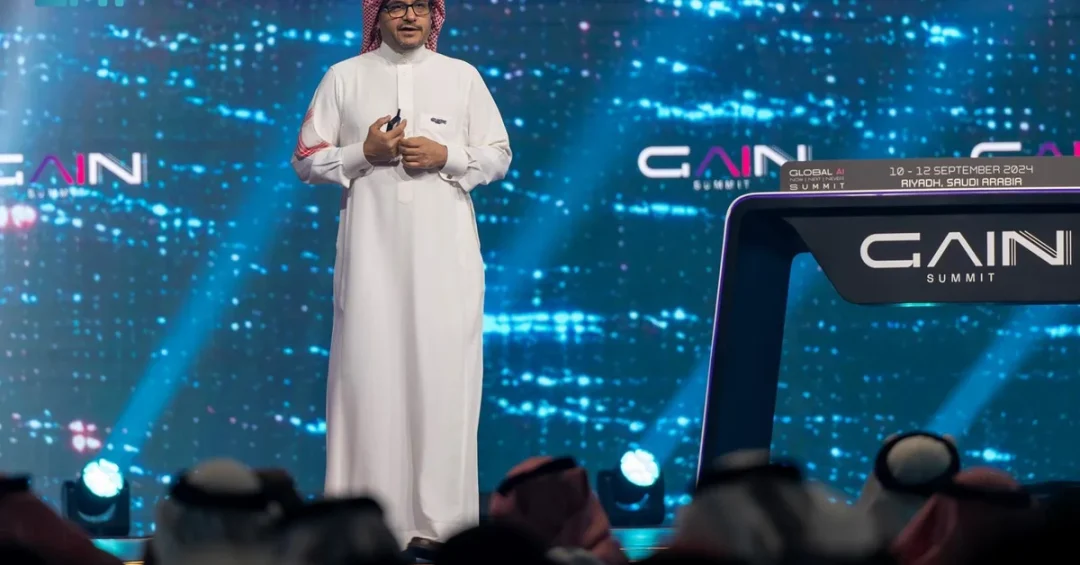
The CEO of the National Center for Artificial Intelligence at the Saudi Data and Artificial Intelligence Authority (SDAIA), Dr. Yaser bin Mohammed Alonaizan, affirmed that artificial intelligence is a tool designed to serve humanity, not a threat to jobs, during a dialogue session at the Global AI Summit in Riyadh on September 11, 2024. Speaking at the session titled “Serving Humanity with AI: From Ideation to Operation,” Dr. Alonaizan emphasized that AI enhances and streamlines jobs rather than replacing them, highlighting the importance of responsible AI use and risk management.
Context and Background
The statement comes as Saudi Arabia accelerates its AI ambitions under Vision 2030, positioning the Kingdom as a global leader in data and AI innovation. SDAIA, established in 2019, spearheads national AI strategies, including ethical frameworks and cutting-edge projects like the ALLaM language model. The Global AI Summit, hosted in Riyadh, serves as a key platform for international dialogue on AI governance and human-centric development.
Key Details
Dr. Alonaizan clarified the distinction between business intelligence and AI, noting that business intelligence focuses on data collection and analysis for human decision making, whereas AI is involved in every step, from data creation to model development and final judgment. He stressed the critical role of data management, stating that AI systems rely heavily on effective data and real-world application to function optimally. The CEO also highlighted AI contributions to sectors like justice, education, healthcare, and cultural preservation, all of which improve quality of life. He pointed to SDAIA’s ALLaM model as a successful project that promises further development and impressive results in AI-driven communication.
International Implications
Dr. Alonaizan’s remarks align with global discussions on AI’s societal impact, offering a reassuring perspective that contrasts with fears of widespread job displacement. By emphasizing collaboration among specialized organizations and continuous efforts from scientists and developers, Saudi Arabia advocates for a balanced approach where AI complements human skills. This stance reinforces the Kingdom’s role as a responsible AI leader, fostering international trust and partnerships in technology governance.
Vision 2030 Alignment
This development directly supports Vision 2030’s goal of diversifying the economy and building a knowledge-based society. By advancing ethical AI that serves humanity, SDAIA helps create new opportunities in technology, education, and healthcare, driving sustainable growth. Saudi Arabia’s commitment to human-centric AI innovation positions the Kingdom to lead globally in shaping a future where technology enhances, rather than replaces, human potential.
20 Questions
Q1. What is SDAIA?
A1. SDAIA stands for the Saudi Data and Artificial Intelligence Authority, a government agency established in 2019 to lead Saudi Arabia’s national data and AI strategy, supporting Vision 2030 goals through innovation and ethical standards.
Q2. Who is Dr. Yaser bin Mohammed Alonaizan?
A2. Dr. Yaser bin Mohammed Alonaizan is the CEO of the National Center for Artificial Intelligence at SDAIA, a key figure in advancing Saudi AI initiatives, known for his emphasis on ethical AI development and human-centric technology.
Q3. What was the Global AI Summit?
A3. The Global AI Summit is an international conference held in Riyadh, Saudi Arabia, gathering global experts, policymakers, and industry leaders to discuss AI’s role in society, innovation, and governance, hosted by SDAIA.
Q4. Does AI threaten jobs according to Dr. Alonaizan?
A4. No, Dr. Alonaizan assured that AI will not replace jobs but rather enhance and streamline them, working alongside humans to make tasks more accessible and efficient, not eliminating employment.
Q5. What is the difference between business intelligence and AI?
A5. Business intelligence focuses on data collection and analysis for human decision making, while AI is involved in every step from data creation to model development and final judgment, operating autonomously.
Q6. Why is data important for AI?
A6. AI systems rely heavily on effective data management and real-world application; without robust data, AI cannot function optimally, making data the foundation of successful AI models.
…
Q7. What sectors benefit from AI in Saudi Arabia?
A7. AI contributes to sectors like justice, education, healthcare, and cultural preservation, improving people’s quality of life by automating processes and providing data-driven insights.
Q8. What is the ALLaM model?
A8. ALLaM is a successful AI language model developed by SDAIA, promising further development and impressive results in enabling seamless communication between humans and machines, enhancing user experience.
Q9. How does Saudi Arabia ensure ethical AI?
A9. Dr. Alonaizan called for integrating ethics into AI design, emphasizing responsible use and considering potential risks, which aligns with SDAIA’s national AI ethics framework.
Q10. What is Vision 2030?
A10. Vision 2030 is Saudi Arabia’s strategic framework to diversify the economy, reduce oil dependence, and develop public service sectors like health, education, and technology, including AI innovation.
Q11. How does AI serve humanity?
A11. AI serves humanity by enhancing jobs, improving healthcare through diagnostics, personalizing education, preserving culture, and streamlining services, all while working alongside humans for efficiency.
Q12. What role does collaboration play in AI?
A12. Collaboration among specialized organizations and institutions is crucial to maximize AI benefits, requiring continuous efforts from scientists, developers, and experts to evolve AI systems effectively.
Q13. What is the relationship between AI and humans?
A13. The relationship is complementary, with AI working alongside humans to make jobs more accessible and efficient, not replacing them, according to Dr. Alonaizan’s vision for human-centric AI.
Q14. How does AI improve communication?
A14. Advanced AI systems enable seamless communication with machines, enhancing capabilities and user experience, as seen in SDAIA’s ALLaM model which promises further development.
Q15. What is the importance of continuous AI improvement?
A15. Continuously improving AI technologies ensures their effectiveness and ability to best serve users, requiring ongoing efforts by scientists, developers, and experts to keep systems evolving.
Q16. How does AI impact education in Saudi Arabia?
A16. AI personalizes learning experiences, automates administrative tasks, and provides data-driven insights to improve educational outcomes, aligning with Vision 2030’s focus on knowledge society.
Q17. How does AI impact healthcare?
A17. AI assists in diagnostics, treatment planning, and patient monitoring, making healthcare more efficient and accessible, improving quality of life for citizens and residents in Saudi Arabia.
Q18. What is the role of SDAIA in AI development?
A18. SDAIA leads Saudi Arabia’s national AI strategy, overseeing projects like ALLaM, setting ethical standards, and fostering innovation to position the Kingdom as a global AI leader.
Q19. Why was the Global AI Summit important for Saudi Arabia?
A19. The summit showcased Saudi Arabia’s AI leadership, facilitated international collaboration, and reinforced the Kingdom’s commitment to ethical, human-centric AI under Vision 2030.
Q20. What is the future of AI in Saudi Arabia?
A20. The future involves continuous innovation in AI models like ALLaM, expanding applications across sectors, and global partnerships, all driven by Vision 2030 to build a diversified, knowledge-based economy.
Reader Feedback
We value your thoughts. Please share your feedback on this article.
Your feedback helps us improve our coverage.