


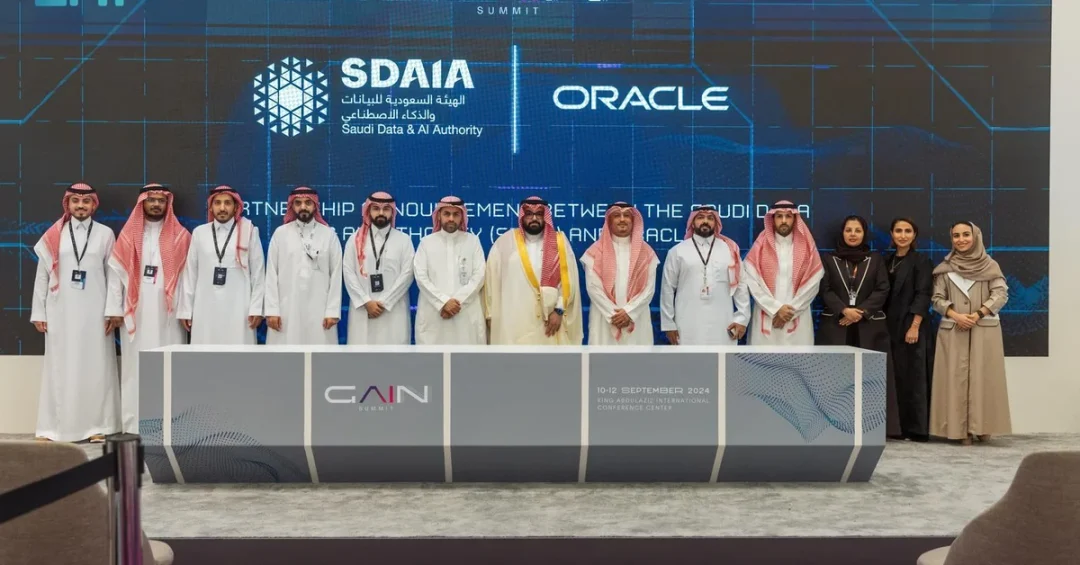
The Saudi Data and Artificial Intelligence Authority (SDAIA) and Oracle have signed a memorandum of understanding (MoU) to enhance national capacities in data and artificial intelligence, aiming to support the Kingdom’s evolving labor market. The agreement, announced on September 12, 2024, in Riyadh, focuses on raising awareness and upskilling Saudi talent through collaborative initiatives, including workshops and comprehensive training programs that offer professional certifications in data and AI.
Context and Background
This collaboration underscores Saudi Arabia’s commitment to building a knowledge-based economy as outlined in Vision 2030. SDAIA, as the national authority overseeing data and AI, plays a pivotal role in driving digital transformation. Oracle, a global leader in cloud computing and enterprise software, brings extensive expertise in AI and data management technologies. The partnership aims to bridge the skills gap and prepare the Saudi workforce for future demands.
Key Details
The MoU was signed by Dr. Ahmed Al-Ghamdi, General Supervisor of the Capability Building Sector at SDAIA, and Fahad Al-Turief, Vice President of Cloud Computing for Saudi, Middle East, and North African Markets at Oracle. The agreement outlines joint programs between SDAIA Academy and Oracle Academy, focusing on curriculum development, mentorship, and certification pathways in AI and data science. The initiative will target students, professionals, and entrepreneurs to foster a robust talent pipeline.
Implications and Impact
The partnership is expected to accelerate the digital skills ecosystem in Saudi Arabia, directly supporting the national workforce strategy. By equipping citizens with advanced AI and data skills, the initiative aims to reduce reliance on foreign expertise and boost local innovation. This move also strengthens Saudi Arabia’s position as a regional hub for technology and innovation, attracting international partnerships and investments.
Vision 2030 Alignment
This collaboration directly supports Vision 2030 objectives by fostering human capital development, diversifying the economy, and advancing digital transformation. By building national capacities in AI and data, SDAIA and Oracle are contributing to a sustainable knowledge economy where Saudi talent leads in emerging technologies, ensuring long-term economic growth and global competitiveness.
20 Questions
Q1. What is the main purpose of the MoU between SDAIA and Oracle?
A1. The MoU aims to raise awareness and enhance national talents in data and artificial intelligence to support the Saudi labor market through training and certification programs.
Q2. Who signed the memorandum of understanding for SDAIA?
A2. Dr. Ahmed Al-Ghamdi, General Supervisor of the Capability Building Sector at SDAIA, signed the MoU on behalf of the authority.
Q3. Who represented Oracle during the signing?
A3. Fahad Al-Turief, Vice President of Cloud Computing for Saudi, Middle East, and North African Markets at Oracle, signed the agreement.
Q4. What types of initiatives are included in the collaboration?
A4. The collaboration includes workshops and comprehensive training programs that provide professional certifications in data and AI.
Q5. Which academies are involved in this partnership?
A5. SDAIA Academy and Oracle Academy are involved in delivering the joint programs and initiatives.
Q6. How does this MoU support the Saudi workforce?
A6. It builds national capacities in AI and data, preparing citizens for skilled roles in emerging technologies and reducing reliance on foreign expertise.
Q7. What is the significance of this agreement for Vision 2030?
A7. It aligns with Vision 2030 by promoting human capital development, economic diversification, and digital transformation.
Q8. What is the role of SDAIA in Saudi Arabia?
A8. SDAIA is the national authority responsible for overseeing data and artificial intelligence, driving the Kingdom’s digital transformation agenda.
Q9. Why is Oracle considered a key partner in this initiative?
A9. Oracle is a global leader in cloud computing and AI technologies, bringing extensive expertise and resources to the training programs.
Q10. Who are the target participants for the training programs?
A10. The programs target students, professionals, and entrepreneurs seeking to enhance their skills in data and artificial intelligence.
Q11. What certifications will be offered through the initiative?
A11. Professional certifications in data and AI will be offered, providing recognized credentials for participants.
Q12. How does this initiative affect the Saudi labor market?
A12. It aims to create a skilled workforce ready for high-demand technology jobs, supporting a knowledge-based economy.
Q13. What is the broader impact on Saudi Arabia’s economy?
A13. Strengthening local innovation and reducing foreign dependency boosts economic diversification and long-term growth.
Q14. When was the MoU officially announced?
A14. The MoU was announced on September 12, 2024, following the signing ceremony in Riyadh.
Q15. Is this partnership part of a larger national strategy?
A15. Yes, it supports Saudi Arabia’s national workforce and digital transformation strategies under Vision 2030.
Q16. How will the training programs be delivered?
A16. The programs will be delivered through a series of joint workshops and courses by SDAIA Academy and Oracle Academy.
Q17. What is the expected duration of the collaboration?
A17. The specific duration is not specified, but the MoU outlines ongoing joint initiatives to build capacities.
Q18. How does this collaboration encourage innovation in Saudi?
A18. By equipping citizens with advanced skills, it fosters local innovation and positions Saudi Arabia as a tech hub.
Q19. Does this initiative offer opportunities for international participants?
A19. The initiative focuses on Saudi citizens to build national capacities, but it may attract global talent through partnerships.
Q20. What message does this partnership send to global investors?
A20. It demonstrates Saudi Arabia’s commitment to developing a skilled workforce and fostering a conducive environment for technology investments.
Reader Feedback
We value your thoughts. Please share your feedback on this article.
Your feedback helps us improve our coverage.