


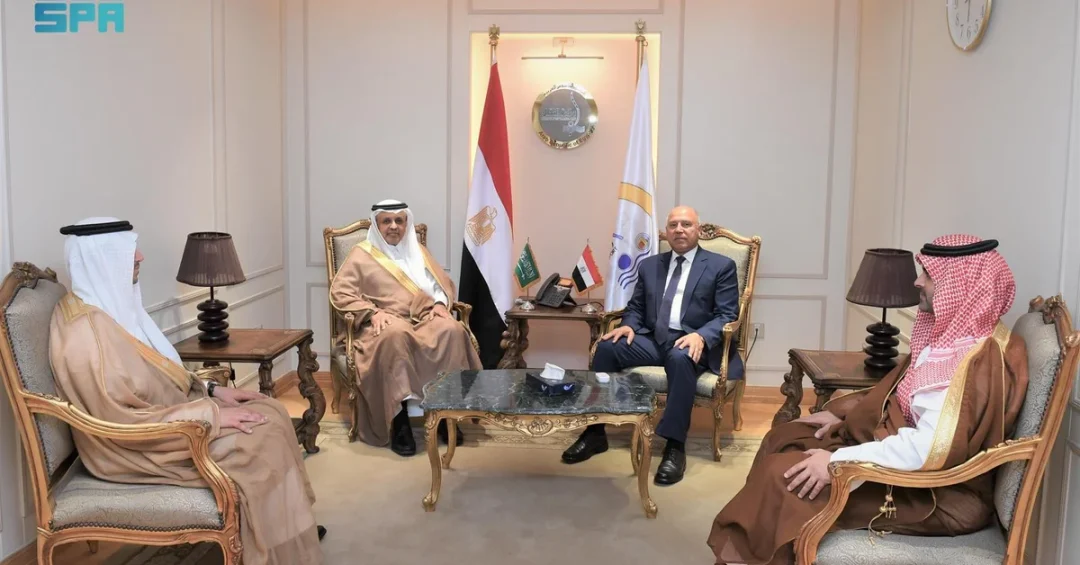
Saudi Arabia’s Vice Minister of Transport and Logistic Services, Rumaih Al-Rumaih, met with Egyptian Minister of Industry and Transport, Kamel El Wazir, in Cairo on September 12, 2024, to strengthen bilateral cooperation in key transport sectors. The official discussions focused on maritime transport development, marine tourism opportunities, and strategies to facilitate the entry of yachts and cruise ships, aiming to enhance mutual integration between the two nations.
Context and Background
The meeting, reported by the Saudi Press Agency (SPA), underscores the Kingdom’s commitment to deepening ties with Egypt, a strategic partner in the region. This engagement aligns with Saudi Arabia’s broader efforts under Vision 2030 to diversify its economy and bolster its position as a global logistics hub. The discussions come at a time when both countries are pursuing ambitious infrastructure projects, particularly in the Red Sea area, which offers vast potential for tourism and trade.
Key Details
Vice Minister Al-Rumaih and Minister El Wazir explored collaboration in maritime transport development, highlighting the importance of modernizing ports and shipping routes to support increased commercial traffic. A significant portion of the talks centered on marine tourism, with both sides emphasizing the need to simplify procedures for the entry of yachts and cruise ships. This includes leveraging the current major developments in the Red Sea region, where Saudi Arabia is implementing projects like the Red Sea Project and Amaala. Additionally, the officials discussed exchanging expertise in rail transport, focusing on best practices and operational efficiencies that can be applied in both countries to enhance connectivity and reduce transit times.
Implications and Impact
This collaboration is poised to boost regional economic integration, as improved maritime and rail links between Saudi Arabia and Egypt can facilitate smoother movement of goods and people. The focus on marine tourism aligns with the Kingdom’s goal to attract international visitors, leveraging its pristine coastline and heritage sites. For Egypt, enhancing its maritime and rail infrastructure in partnership with Saudi Arabia supports its own economic development goals. The exchange of expertise signals a mutual commitment to innovation and efficiency, setting a benchmark for cooperative projects in the Middle East and North Africa.
Vision 2030 Alignment
The meeting directly supports Vision 2030’s objectives of transforming Saudi Arabia into a global logistics hub and a premier tourist destination. By fostering ties with Egypt, the Kingdom strengthens its leadership in regional connectivity and sustainable development. The discussions reflect a forward-looking approach that prioritizes economic diversification and sectoral growth, ensuring that Saudi Arabia’s transport and tourism sectors are well-positioned to meet future demands. This engagement is another step toward realizing the ambitious targets outlined in the National Transport and Logistics Strategy.
20 Questions
Q1. What was the main topic of the meeting between Vice Minister Al-Rumaih and Minister El Wazir?
A1. The main topic was bilateral cooperation in transport, focusing on maritime transport development, marine tourism, and rail expertise exchange between Saudi Arabia and Egypt.
Q2. Who represented Saudi Arabia in the meeting?
A2. Saudi Arabia was represented by Vice Minister of Transport and Logistic Services Rumaih Al-Rumaih during his official visit to Egypt.
Q3. Who represented Egypt in the meeting?
A3. Egypt was represented by Minister of Industry and Transport Kamel El Wazir.
Q4. Where did the meeting take place?
A4. The meeting took place in Cairo, Egypt, on September 12, 2024.
Q5. Which Saudi news agency reported the meeting?
A5. The Saudi Press Agency (SPA) reported the meeting.
Q6. What specific maritime topics were discussed?
A6. They discussed maritime transport development and marine tourism opportunities, including facilitating the entry of yachts and cruise ships.
Q7. Why is the Red Sea important to these discussions?
A7. The Red Sea is central because both countries have significant projects underway there, offering vast opportunities for tourism and maritime integration.
Q8. What kind of expertise exchange was discussed for rail transport?
A8. They discussed exchanging expertise in rail transport practices applied in both countries, focusing on operational efficiencies and best practices.
Q9. How does this meeting support Vision 2030?
A9. It supports Vision 2030 by enhancing transport and tourism sectors, aiming to make Saudi Arabia a global logistics hub and premier destination.
Q10. What is the National Transport and Logistics Strategy?
A10. It is a Saudi strategy under Vision 2030 to modernize transport networks, boost connectivity, and position the Kingdom as a global logistics center.
Q11. How can marine tourism benefit both countries?
A11. Marine tourism can attract international visitors to the Red Sea, boost local economies, and create jobs through hotels, cruises, and related services.
Q12. What are some Red Sea projects in Saudi Arabia?
A12. Projects include the Red Sea Project and Amaala, luxury tourism developments focused on sustainability and high-end experiences.
Q13. Why is Egypt a strategic partner for Saudi Arabia?
A13. Egypt is a key regional ally with strong economic and cultural ties, and collaboration in transport can enhance trade and connectivity.
Q14. How might rail collaboration improve regional connectivity?
A14. Rail collaboration can reduce transit times for goods and people, linking Saudi Arabia and Egypt more efficiently and boosting trade flows.
Q15. What is the expected economic impact of this cooperation?
A15. It is expected to boost regional economic integration, increase tourism, and create new opportunities in transport infrastructure and services.
Q16. How does facilitating yacht and cruise ship entry help tourism?
A16. Simpler procedures encourage more visitors to explore Red Sea destinations by sea, increasing tourism numbers and spending.
Q17. What role does the Saudi Ministry of Transport and Logistic Services play?
A17. The ministry oversees transport and logistics development, coordinating with international partners to align with Vision 2030 goals.
Q18. When was the meeting officially announced?
A18. The meeting was officially announced on September 12, 2024, through a release by the Saudi Press Agency.
Q19. How does this meeting reflect Saudi leadership in the region?
A19. It demonstrates proactive diplomacy and collaborative approach to infrastructure and economic growth, highlighting Saudi Arabia’s regional leadership.
Q20. What future developments might follow this discussion?
A20. Future developments could include joint maritime and rail projects, broader tourism agreements, and enhanced trade through shared infrastructure initiatives.
Reader Feedback
We value your thoughts. Please share your feedback on this article.
Your feedback helps us improve our coverage.