


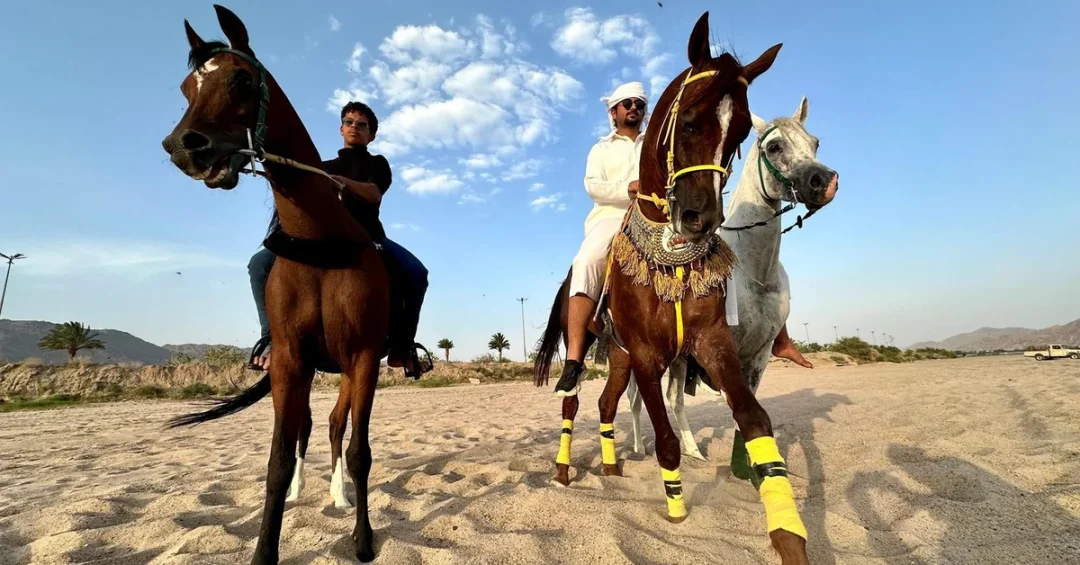
The Saudi Press Agency (SPA) reports that the youth of Najran are embracing equestrianism, a tradition deeply rooted in the region’s cultural heritage. This resurgence highlights the Kingdom’s commitment to preserving its historical practices while promoting healthy, active lifestyles among its younger generations. Equestrian sports, long cherished in Najran, are seeing a renewed interest as families pass down the skills of horse breeding, taming, and riding.
Context and Background
The breeding and taming of Arabian horses have been a cornerstone of Najran’s cultural identity for generations, symbolizing originality, pride, and courage. According to SPA, this tradition is passed down from generation to generation, fostering a strong connection between the youth and their heritage. Equestrian sports are celebrated not only for their cultural significance but also for their physical and psychological benefits, including enhanced self-confidence, patience, endurance, and discipline. Many families in Najran and its governorates actively raise and own Arabian horses, instilling a love for equestrianism in their children by teaching them to ride and care for the animals.
Key Details
Stable owners in the region told SPA that horseback riding is particularly popular among young people in Wadi Najran. They described the activity as a “fun and rewarding pastime that improves mental health, physical fitness, and self-confidence.” The widespread presence of horse stables across Najran reflects the community’s dedication to this tradition. The Saudi government supports such cultural practices through initiatives aligned with Vision 2030, which emphasizes preserving national heritage while promoting sports and wellness.
Implications and Impact
The growing interest in equestrianism among Najran’s youth has positive implications for both local communities and Saudi Arabia’s broader goals. It strengthens family bonds, encourages outdoor activity, and reduces reliance on digital entertainment. Regionally, it reinforces Saudi Arabia’s reputation as a custodian of Arabian horse breeding, a heritage shared across the Middle East. This trend also supports tourism potential, as equestrian events and stables can attract visitors interested in authentic cultural experiences.
Vision 2030 Alignment
This cultural revival directly supports Vision 2030‘s objectives of improving quality of life, preserving national identity, and promoting sports. By engaging youth in equestrianism, Najran contributes to a healthier, more culturally aware generation. The Saudi government, through entities like the Ministry of Culture and the Saudi Equestrian Federation, continues to foster such traditions, ensuring they thrive in the modern era. This initiative exemplifies how Saudi Arabia balances modernity with heritage, building a vibrant society rooted in its rich history.
20 Questions
Q1. What is the significance of Arabian horses in Najran?
A1. Arabian horses symbolize originality, pride, and courage in Najran’s culture. Their breeding and taming are cherished traditions passed down through generations, reflecting the region’s historical heritage.
Q2. How do equestrian sports benefit Najran’s youth?
A2. Equestrian sports enhance self-confidence, patience, endurance, and discipline. They also improve mental health and physical fitness, making them a popular and rewarding activity among young people.
Q3. Why are horse stables common in Najran?
A3. Many families in Najran are passionate about raising Arabian horses and teach their children to ride and care for them. This has led to the widespread establishment of horse stables across the region.
Q4. What do stable owners say about horseback riding in Wadi Najran?
A4. Stable owners told SPA that horseback riding is particularly popular among young people in Wadi Najran. They describe it as a fun and rewarding activity that improves mental health and self-confidence.
Q5. How does equestrianism preserve cultural heritage?
A5. Equestrianism passes down traditions of horse breeding, taming, and riding from older to younger generations, ensuring that practices symbolizing pride and courage endure in Najran.
Q6. What are the physical benefits of horse riding?
A6. Horse riding improves physical fitness by strengthening muscles, enhancing balance, and promoting cardiovascular health. It is an active outdoor exercise that benefits overall well-being.
Q7. What psychological benefits does equestrianism offer?
A7. Equestrianism boosts self-confidence, patience, and endurance. It also reduces stress and improves mental health by providing a calming connection with animals and nature.
Q8. How do families in Najran promote equestrianism?
A8. Families instill a love for equestrianism by teaching children to ride and care for horses. They often own stables and encourage regular participation in horse-related activities.
Q9. What role does the Saudi Press Agency play in this story?
A9. The Saudi Press Agency reported on the trend, providing official information from stable owners and highlighting the cultural and health benefits of equestrianism in Najran.
Q10. How does equestrianism support Saudi Vision 2030?
A10. Equestrianism aligns with Vision 2030 by promoting a healthy lifestyle, preserving national heritage, and improving quality of life. It supports sports development and cultural tourism.
Q11. What is the cultural symbolism of Arabian horses?
A11. Arabian horses symbolize originality, pride, and courage in Saudi culture. They are central to Najrani identity and represent a historical legacy of strength and nobility.
Q12. Are there any government initiatives supporting equestrianism?
A12. The Saudi government supports equestrianism through entities like the Saudi Equestrian Federation and cultural programs under Vision 2030, which promote traditional sports and heritage preservation.
Q13. How does equestrianism affect youth engagement with technology?
A13. Equestrianism encourages outdoor activity and reduces reliance on digital entertainment, helping youth develop healthier habits and stronger connections with their community and environment.
Q14. What makes Arabian horses unique?
A14. Arabian horses are known for their endurance, intelligence, and distinctive appearance. They are among the oldest horse breeds and hold great cultural value across the Middle East.
Q15. How does this trend benefit local tourism?
A15. Increased interest in equestrianism can attract tourists to Najran for authentic cultural experiences, such as horse shows and stable visits, boosting local tourism and economic opportunities.
Q16. What age groups are involved in equestrianism in Najran?
A16. The trend involves youth of various ages, with families teaching children as young as five to ride. Teenagers and young adults are particularly active in the stables and riding activities.
Q17. Is equestrianism popular only in Najran?
A17. While equestrianism is popular across Saudi Arabia, it holds special cultural significance in Najran due to the region’s long history of Arabian horse breeding and taming traditions.
Q18. What facilities support equestrianism in Najran?
A18. Numerous horse stables and riding areas exist in Najran and its governorates. These facilities are maintained by families and local enthusiasts to support regular riding and care.
Q19. How does equestrianism strengthen family bonds?
A19. Families often spend time together at stables, teaching children riding skills and sharing in horse care. This shared activity fosters communication, teamwork, and stronger relationships.
Q20. What is the future outlook for equestrianism in Najran?
A20. The trend is expected to grow as more youth embrace the tradition. Continued government support under Vision 2030 will likely expand equestrian programs, events, and facilities in the region.
Reader Feedback
We value your thoughts. Please share your feedback on this article.
Your feedback helps us improve our coverage.