


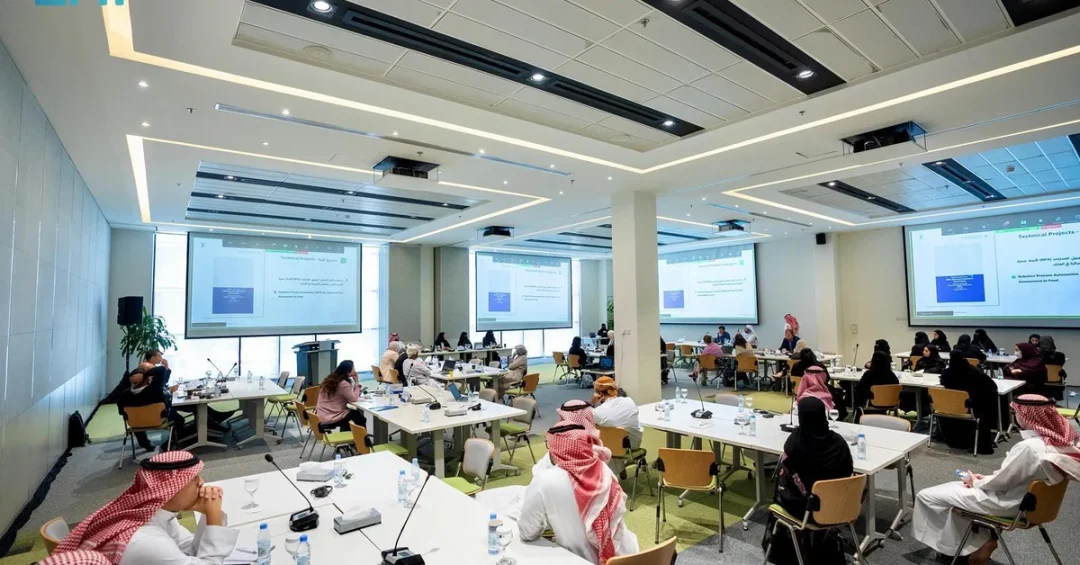
The training program for members of the Coordinating Committee for Near East (CCNE) countries of the Codex Alimentarius has concluded in Riyadh, marking a significant step in enhancing regional food safety and regulatory cooperation. Hosted by the Saudi Food and Drug Authority (SFDA) at its headquarters under the theme “From Knowledge to Action: Empowering the Region for Codex Compliance,” the initiative brought together representatives from the United Nations Food and Agriculture Organization (FAO), the World Health Organization (WHO), member states from the region, and the Codex Secretariat.
Context and Background
The three-day program, which concluded on September 14, 2024, was designed to strengthen the capacities of Codex contact point representatives across the Near East region. Participants engaged in specialized sessions focusing on food safety, data integration, and regional cooperation. The initiative underscores Saudi Arabia’s commitment to advancing international food standards and public health, aligning with its leadership role in global food safety governance.
Key Details
The program featured discussions on the upcoming Codex strategy for 2026-2031, alongside insights from Codex coordinating committees in other regions. Panel sessions explored innovations in food production systems, the Food Control System Assessment Tool, risk assessment methodologies, and data analysis techniques. A key highlight was the review of Saudi Arabia’s own experience in these areas, demonstrating the Kingdom’s proactive approach to food safety and regulatory excellence. The Kingdom, represented by the SFDA, holds a seat on the Executive Committee of the Codex Alimentarius and has chaired the CCNE Region since 2020.
Implications and Impact
The successful conclusion of this program is expected to enhance regional capacity for implementing Codex standards, fostering greater harmonization of food safety regulations across the Near East. This collaboration with FAO and WHO expert committees strengthens the scientific basis for food safety decision-making, benefiting both public health and trade. The initiative also reinforces the region’s ability to participate effectively in global standard-setting processes, promoting safer food systems and economic integration.
Vision 2030 Alignment
This training program aligns directly with Saudi Arabia’s Vision 2030, which prioritizes public health, food security, and international cooperation as pillars of national development. By leading efforts to empower regional partners through knowledge transfer and capacity building, the Kingdom demonstrates its dedication to playing a pivotal role in global food safety governance. The SFDA’s leadership in this initiative contributes to a more resilient and collaborative Near East, paving the way for sustainable growth and healthier communities.
20 Questions
Q1. What was the theme of the training program?
A1. The training program was themed “From Knowledge to Action: Empowering the Region for Codex Compliance,” focusing on turning knowledge into practical skills for adhering to Codex standards.
Q2. Which organization hosted the program?
A2. The program was hosted by the Saudi Food and Drug Authority (SFDA) at its headquarters in Riyadh.
Q3. How long did the training program last?
A3. The training program lasted for three days, concluding on September 14, 2024.
Q4. Who participated in the program?
A4. Participants included representatives from the FAO, WHO, member states of the Near East region, and the Codex Secretariat.
Q5. What is the Codex Alimentarius?
A5. The Codex Alimentarius is a joint body of the FAO and WHO, established in 1963, comprising 189 members that develop international food standards.
Q6. What role does Saudi Arabia play in the Codex Alimentarius?
A6. Saudi Arabia, represented by the SFDA, is a member of the Executive Committee of the Codex Alimentarius and has chaired the Coordinating Committee for the Near East (CCNE) Region since 2020.
Q7. What were the main topics discussed during the program?
A7. The program covered food safety, data integration, the upcoming Codex strategy for 2026-2031, risk assessment, data analysis methods, and innovations in food production systems.
Q8. How does the program benefit the Near East region?
A8. The program enhances the capacity of Codex contact points in the region, improving food safety standards and regulatory cooperation, which supports public health and trade.
Q9. What was the role of FAO and WHO expert committees?
A9. FAO and WHO expert committees provided scientific advice to Codex technical committees, strengthening the evidence base for food safety standards.
Q10. What is the Food Control System Assessment Tool?
A10. It is a tool discussed during the program used to evaluate and improve national food control systems, ensuring they meet international standards.
Q11. Did the program review Saudi Arabia’s experience?
A11. Yes, the program included sessions reviewing Saudi Arabia’s experience in food safety, data integration, and regulatory best practices.
Q12. Why is the program significant for Vision 2030?
A12. The program supports Vision 2030 priorities of public health, food security, and international cooperation, showcasing Saudi leadership in global food governance.
Q13. What is the CCNE?
A13. The Coordinating Committee for the Near East (CCNE) is a regional body within Codex Alimentarius that coordinates food standard activities for Near East countries.
Q14. How many members does the Codex Alimentarius have?
A14. The Codex Alimentarius comprises 189 member countries and organizations that collaborate on developing international food standards.
Q15. When was the Codex Alimentarius established?
A15. The Codex Alimentarius was established in 1963 as a joint initiative of the FAO and WHO.
Q16. What is the purpose of the Codex strategy for 2026-2031?
A16. The strategy outlines future directions for Codex Alimentarius, focusing on emerging food safety challenges, innovation, and global cooperation.
Q17. How does the program strengthen regional cooperation?
A17. By bringing together representatives from various countries and organizations, the program fosters dialogue and collaboration on food safety standards and practices.
Q18. What is the role of Codex contact points?
A18. Codex contact points serve as national liaisons for Codex activities, coordinating participation in standard-setting and ensuring national implementation of Codex standards.
Q19. Is Saudi Arabia a member of the Codex Executive Committee?
A19. Yes, Saudi Arabia, through the SFDA, is a member of the Executive Committee of the Codex Alimentarius, influencing global food standard policies.
Q20. What was the outcome of the program?
A20. The program successfully enhanced regional expertise in Codex compliance, paving the way for improved food safety and regulatory harmonization across the Near East.
Reader Feedback
We value your thoughts. Please share your feedback on this article.
Your feedback helps us improve our coverage.