


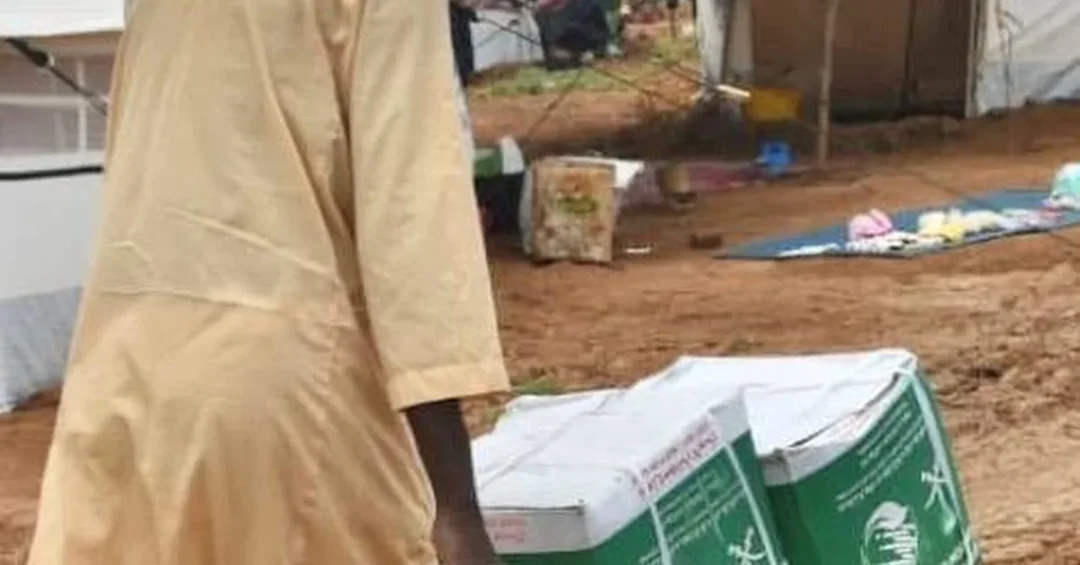
The King Salman Humanitarian Aid and Relief Center (KSrelief) distributed 700 food baskets on Friday in Kassala State, Republic of Sudan, benefiting 5,499 individuals. This distribution is part of the second phase of the food security support project in Sudan for 2024. The initiative reflects the Kingdom of Saudi Arabia’s ongoing commitment to providing humanitarian relief and addressing urgent needs across the region.
Context and Background
Sudan has faced significant challenges in food security in recent years due to economic difficulties and conflict. The food security support project, now in its second phase, aims to provide essential sustenance to vulnerable populations. KSrelief, established under the directive of the Custodian of the Two Holy Mosques, King Salman bin Abdulaziz Al Saud, has been at the forefront of delivering aid to crisis-affected communities worldwide.
Key Details
The distribution in Kassala State was carried out on Friday, reaching thousands of families in need. Each food basket contains essential items to support daily nutritional requirements. This marks the continuation of a sustained effort by Saudi Arabia, through KSrelief, to bolster food security in Sudan. The project aligns with United Nations Humanitarian Response Plan objectives for the region, providing critical assistance during a period of heightened need.
International Impact
Saudi Arabia’s humanitarian contributions through KSrelief extend beyond immediate relief. The Kingdom has consistently ranked among the top global donors in humanitarian aid, demonstrating a strategic commitment to stability and development in the Horn of Africa and beyond. This distribution in Kassala reinforces Saudi Arabia’s role as a reliable partner in addressing food insecurity in conflict-affected areas.
Vision 2030 Alignment
This humanitarian effort is directly linked to Saudi Arabia’s long-term strategic priorities under Vision 2030, which emphasizes a comprehensive approach to regional stability and human development. By investing in food security and sustainable aid, the Kingdom is fostering resilience in neighboring countries, strengthening diplomatic ties, and contributing to a more stable and prosperous region—a key pillar of its international engagement.
20 Questions
Q1. What is KSrelief?
A1. KSrelief is the King Salman Humanitarian Aid and Relief Center, established in 2015 by Saudi Arabia to coordinate and deliver humanitarian aid globally, focusing on crisis-affected populations.
Q2. Who received the food baskets in this distribution?
A2. The food baskets were distributed to 5,499 individuals in Kassala State, Republic of Sudan, as part of the second phase of the food security support project.
Q3. How many food baskets were distributed?
A3. A total of 700 food baskets were distributed on Friday in Kassala State, Sudan, by KSrelief.
Q4. What is the purpose of the food security support project in Sudan?
A4. The project aims to achieve food security and alleviate the suffering of the Sudanese people by providing essential food supplies to vulnerable communities.
Q5. When did this distribution take place?
A5. The distribution occurred on Friday, September 15, 2024, according to the Saudi Press Agency.
Q6. Which organization confirmed this distribution?
A6. The Saudi Press Agency (SPA) reported the distribution, citing official information from KSrelief.
Q7. Is this a one-time effort by Saudi Arabia in Sudan?
A7. No, it is part of a broader, ongoing humanitarian program, including the second phase of the food security support project in Sudan for 2024.
Q8. How does KSrelief select the recipients?
A8. KSrelief works with local partners and authorities to identify and reach the most vulnerable individuals and families in need of urgent food assistance.
Q9. What role does the Kingdom of Saudi Arabia play in humanitarian aid in Sudan?
A9. Saudi Arabia, through KSrelief, provides significant humanitarian assistance, including food aid, medical support, and shelter, to Sudanese people affected by crisis.
Q10. How does this distribution relate to Vision 2030?
A10. It aligns with Vision 2030 by promoting regional stability and human development, demonstrating Saudi commitment to comprehensive humanitarian engagement.
Q11. Are there plans for more distributions in Sudan?
A11. Yes, as part of the second phase of the project, further distributions are planned to continue supporting food security in Sudan throughout 2024.
Q12. What items are included in the food baskets?
A12. The baskets typically contain staple food items such as rice, flour, oil, sugar, and other nutritional essentials to meet basic dietary needs.
Q13. What is the total number of beneficiaries in this phase?
A13. This particular distribution benefited 5,499 individuals, part of the larger second phase of the food security support project in Sudan.
Q14. How does Saudi Arabia coordinate with Sudan for aid delivery?
A14. Coordination occurs through official channels, including Sudanese authorities and local humanitarian partners, ensuring effective and transparent distribution.
Q15. What is the geographic focus of this project?
A15. The current phase focuses on Kassala State in eastern Sudan, but KSrelief operates in multiple regions across Sudan addressing various humanitarian needs.
Q16. Has Saudi Arabia provided other types of aid to Sudan?
A16. Yes, Saudi Arabia has provided medical supplies, shelter, and emergency relief besides food aid, demonstrating comprehensive humanitarian support.
Q17. How does this initiative help local communities?
A17. It directly addresses food insecurity, reduces hunger, and supports the resilience of families, especially women and children, in vulnerable communities.
Q18. Why is food security important in Sudan now?
A18. Sudan faces acute food insecurity due to conflict and economic challenges, making such humanitarian interventions critical for survival and stability.
Q19. What is the future outlook for KSrelief’s work in Sudan?
A19. KSrelief aims to continue its support through additional phases and projects, reinforcing Saudi Arabia’s role as a leading humanitarian donor in the region.
Q20. How can the international community support these efforts?
A20. The international community can contribute by partnering with KSrelief, providing funding, and amplifying similar sustainable humanitarian programs to combat food insecurity.
Reader Feedback
We value your thoughts. Please share your feedback on this article.
Your feedback helps us improve our coverage.