


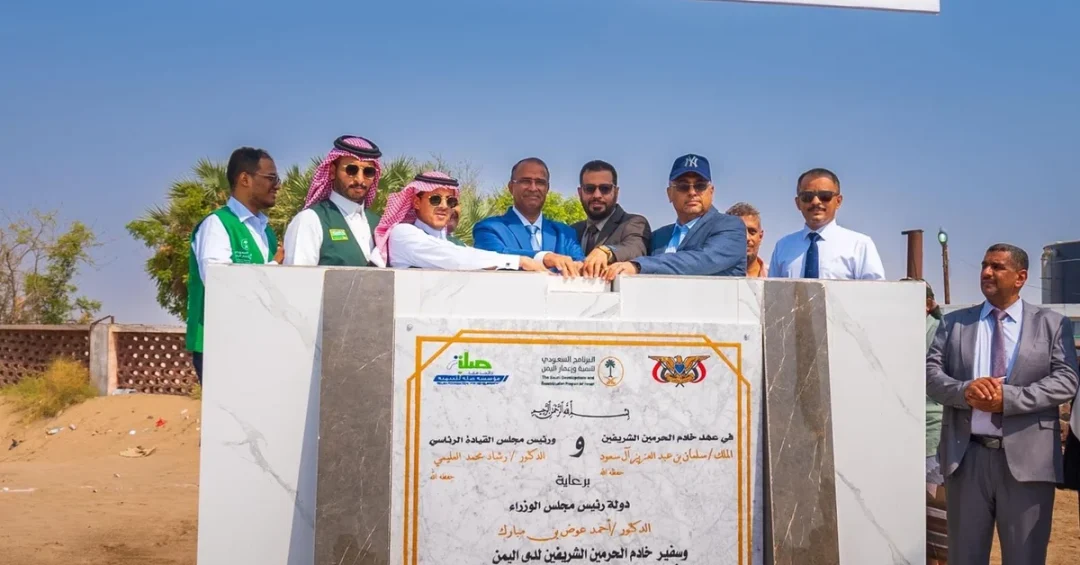
The Saudi Development and Reconstruction Program for Yemen (SDRPY) has launched a major water security enhancement project in Aden Governorate, utilizing renewable energy to improve access to clean water for hundreds of thousands of residents. The initiative, announced on September 16, 2024, via the Saudi Press Agency, is a joint effort between SDRPY and the Selah Foundation for Development. It aims to address critical water infrastructure challenges in the region, directly benefiting at least 800,000 people across various districts of Aden and indirectly improving the lives of approximately 1.5 million Yemenis.
Context and Background
Yemen has faced severe water scarcity challenges exacerbated by years of conflict and inadequate infrastructure. The city of Aden, a key commercial hub, has struggled to provide consistent and safe drinking water to its growing population. The SDRPY, a flagship initiative of the Kingdom of Saudi Arabia, has been actively involved in humanitarian and development projects across Yemen since its inception. By integrating renewable energy into water management, this project aligns with both immediate relief needs and sustainable development goals, reflecting Saudi Arabia’s commitment to supporting stability and prosperity in Yemen under the umbrella of Vision 2030.
Key Details of the Project
The project focuses on sustainably increasing the amount of potable water pumped by harnessing solar and other renewable energy sources. It will enhance the efficiency of water resource management by training local workers in the maintenance and use of solar energy systems, thereby building local capacity. Additionally, the scheme aims to improve the operational capacity of Aden’s water authority, enabling it to meet the essential water needs of its subscribers effectively. Key sectors providing essential services in Aden, including health and sanitation, will also benefit from more reliable water supplies. The project is expected to reduce operational costs associated with diesel-powered pumps and lower carbon emissions, while creating job opportunities for local communities.
Implications and Impact
This development is significant for Aden’s long-term recovery and resilience. By reducing dependence on costly and environmentally harmful fossil fuels, the project lowers the operational expenses of water utilities, which can translate into more affordable services for residents. The training component empowers Yemeni technicians and engineers, fostering self-reliance and technical expertise in renewable energy. Furthermore, the reduction in carbon emissions supports global environmental targets, positioning Aden as a model for sustainable urban reconstruction in post-conflict settings. The indirect benefits for 1.5 million people underscore the multiplier effect of such targeted infrastructure investments.
Vision 2030 Alignment
The launch of this water security project demonstrates Saudi Arabia’s unwavering commitment to regional stability and sustainable development, core pillars of Vision 2030. By investing in renewable energy and water infrastructure in Yemen, the Kingdom not only addresses immediate humanitarian needs but also fosters long-term economic resilience and environmental stewardship. This project is part of SDRPY’s broader portfolio of initiatives spanning education, health, energy, transportation, and agriculture, all aimed at enabling the Yemeni people to rebuild their country. As Saudi Arabia continues to lead efforts in the region, such projects exemplify how targeted, sustainable interventions can contribute to peace, prosperity, and a brighter future for all.
20 Questions
Q1. What is the SDRPY Water Security Enhancement Project?
A1. It is a Saudi-led initiative in Aden Governorate, Yemen, that uses renewable energy to improve water access for about 800,000 direct and 1.5 million indirect beneficiaries.
Q2. Who launched the project?
A2. The Saudi Development and Reconstruction Program for Yemen (SDRPY) launched the project in collaboration with the Selah Foundation for Development.
Q3. When was the project announced?
A3. The project was announced on September 16, 2024, via the Saudi Press Agency.
Q4. Where is the project located?
A4. The project is located in Aden Governorate, Yemen, focusing on districts within the city of Aden.
Q5. How many people will directly benefit from the project?
A5. At least 800,000 Yemenis living in various districts of Aden will directly benefit from enhanced water security.
Q6. How many people will benefit indirectly?
A6. Around 1.5 million Yemenis in Aden will indirectly benefit from the project’s improvements to water infrastructure.
Q7. What is the main goal of the project?
A7. The main goal is to sustainably increase the amount of potable water pumped by utilizing renewable energy sources like solar power.
Q8. How does the project use renewable energy?
A8. The project replaces diesel-powered pumps with solar energy systems to power water pumping, reducing costs and carbon emissions.
Q9. What capacity-building components are included?
A9. The project trains local workers in the maintenance and use of solar energy and improves the capacity of Aden’s water authority.
Q10. What other sectors will benefit from this project?
A10. Key sectors such as health, sanitation, and other essential services in Aden will benefit from a more reliable water supply.
Q11. What environmental benefits does the project offer?
A11. The project lowers carbon emissions by reducing reliance on fossil fuels and promotes sustainable water management practices.
Q12. How will the project create job opportunities?
A12. It creates jobs through the installation, operation, and maintenance of renewable energy systems and water infrastructure upgrades.
Q13. What is the role of the Selah Foundation for Development?
A13. The Selah Foundation for Development is a joint partner with SDRPY in implementing the project on the ground.
Q14. How does this project align with Saudi Arabia’s Vision 2030?
A14. It supports Vision 2030 goals by promoting regional stability, sustainable development, renewable energy use, and humanitarian leadership.
Q15. What other sectors has SDRPY worked on in Yemen?
A15. SDRPY has implemented projects in education, health, water, energy, transportation, agriculture, fisheries, and government capacity building.
Q16. Why is water security important in Aden?
A16. Aden suffers from severe water scarcity and aging infrastructure, making reliable clean water access critical for public health and economic recovery.
Q17. How does this project reduce operational costs?
A17. By switching from diesel to solar energy, the project eliminates fuel costs and reduces maintenance expenses for water pumps.
Q18. What training will be provided to local workers?
A18. Workers will receive training in solar energy system maintenance, water resource management, and efficient infrastructure operations.
Q19. Will the project help Aden’s water authority?
A19. Yes, it strengthens the water authority’s capacity to manage resources and meet the essential needs of its subscribers efficiently.
Q20. What is the long-term vision for this project?
A20. The long-term vision is to build a sustainable, resilient water system that supports Aden’s development and serves as a model for other regions.
Reader Feedback
We value your thoughts. Please share your feedback on this article.
Your feedback helps us improve our coverage.