


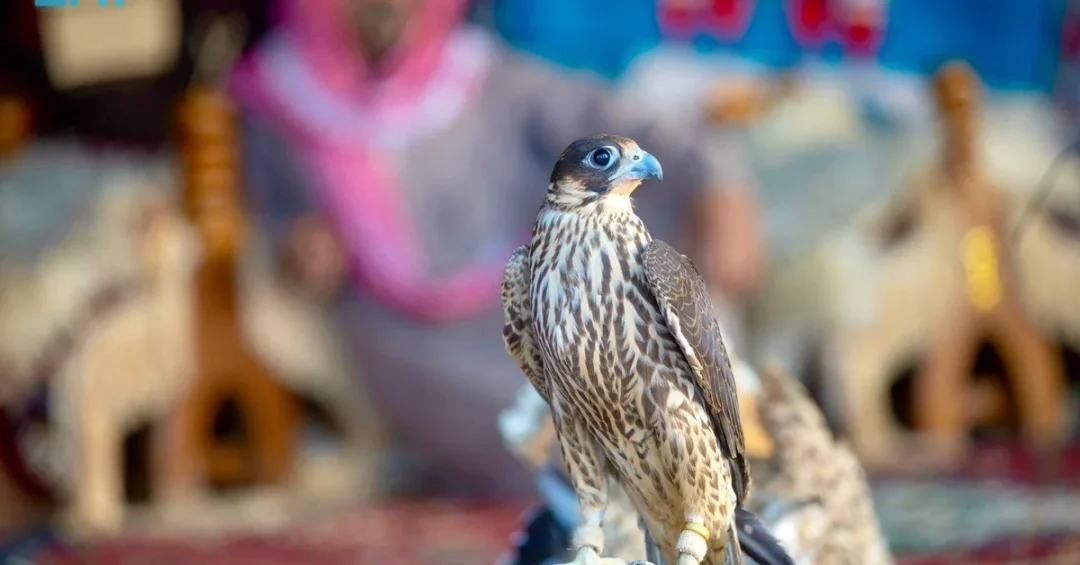
Falconry, a cherished tradition deeply embedded in the cultural heritage of Saudi Arabia, is experiencing a vibrant revival in Turaif Governorate, located in the Northern Borders region. As the falconry season officially commenced on September 1, 2024, according to the National Center for Wildlife, enthusiasts across the Kingdom and the Gulf Cooperation Council countries are preparing for the annual pursuit. This ancient practice, passed down through generations, continues to hold a special place in the hearts of local residents, who view it as a living link to their ancestors’ way of life.
Context and Background
Turaif Governorate, known for its vast landscapes and strategic location along migratory bird routes, has long been a focal point for falconry in the Kingdom. The Hamad region, in particular, is renowned for attracting falconers from across Saudi Arabia and neighboring Gulf states due to its rich biodiversity and the seasonal passage of birds. This year, the National Center for Wildlife designated September 1 as the official start of the falconry season, with hunting licenses available through the Fitri platform, ensuring regulated and sustainable practices.
Key Details
Many families in Turaif actively nurture the passion for falconry among the younger generation, teaching them traditional skills to preserve this heritage. Mohammed Al-Ruwaili, a keen falconer from the region, explained that the sport’s popularity stems from its enjoyable and educational nature. “Fathers often take their sons on falconry expeditions to educate them about hunting and caring for these magnificent birds,” Al-Ruwaili said. He added that this practice helps instill a deep appreciation for the ancestors’ traditions and fosters a sense of responsibility toward wildlife conservation.
Implications and Impact
The revival of falconry in Turaif reflects broader efforts across Saudi Arabia to preserve intangible cultural heritage while promoting sustainable tourism and environmental stewardship. The regulations introduced by the National Center for Wildlife, including the licensing system via the Fitri platform, demonstrate a commitment to balancing tradition with modern conservation needs. This approach not only safeguards bird populations but also enhances the region’s appeal as a destination for cultural tourism, attracting visitors interested in authentic Saudi traditions.
Vision 2030 Alignment
The preservation and promotion of falconry align closely with Saudi Vision 2030, which emphasizes the importance of cultural heritage as a pillar of national identity and economic diversification. By supporting traditional practices like falconry, the Kingdom is preserving its rich history while creating opportunities for tourism and community engagement. As Turaif and other regions continue to celebrate this timeless tradition, falconry stands as a testament to Saudi Arabia’s commitment to honoring its past while building a vibrant future.
20 Questions
Q1. What is falconry?
A1. Falconry is an ancient practice of hunting with trained birds of prey, such as falcons. It is a traditional pastime in Saudi Arabia, passed down through generations and deeply rooted in local culture.
Q2. Where is Turaif Governorate located?
A2. Turaif Governorate is located in the Northern Borders region of Saudi Arabia. It is known for its vast landscapes and strategic location along migratory bird routes.
Q3. When does the falconry season start in Saudi Arabia?
A3. The falconry season officially starts on September 1 each year, as announced by the National Center for Wildlife.
Q4. What is the Hamad region known for in falconry?
A4. The Hamad region is renowned for its migratory bird routes, making it a popular destination for falconers from Saudi Arabia and Gulf Cooperation Council countries.
Q5. Who is Mohammed Al-Ruwaili?
A5. Mohammed Al-Ruwaili is a keen falconer from Turaif Governorate who spoke about the sport’s popularity and its role in teaching younger generations about hunting and caring for falcons.
Q6. How do families in Turaif preserve falconry traditions?
A6. Many families in Turaif nurture the passion for falconry among the younger generation by teaching them traditional skills and taking sons on expeditions to educate them about the practice.
Q7. What is the Fitri platform?
A7. The Fitri platform is an official system used by the National Center for Wildlife to issue hunting licenses for the falconry season in Saudi Arabia.
Q8. Why is falconry important to Saudi culture?
A8. Falconry is important because it is a living link to ancestors’ traditions, teaching respect for nature and preserving intangible cultural heritage.
Q9. How does the National Center for Wildlife regulate falconry?
A9. The National Center for Wildlife regulates falconry by setting the season start date and providing hunting licenses through the Fitri platform to ensure sustainable practices.
Q10. What is the role of fathers in falconry traditions?
A10. Fathers often take their sons on falconry expeditions to educate them about hunting and caring for falcons, fostering appreciation for heritage.
Q11. How does falconry support tourism in Turaif?
A11. Falconry attracts visitors interested in authentic Saudi traditions, boosting cultural tourism and local economy in Turaif and the Northern Borders region.
Q12. What is the significance of migratory bird routes in falconry?
A12. Migratory bird routes are significant because they provide opportunities for falconers to hunt and practice their skills, making regions like Hamad popular for the sport.
Q13. What other Gulf countries participate in falconry in Turaif?
A13. Falconers from Gulf Cooperation Council countries, including the UAE, Qatar, and Kuwait, often travel to Turaif for the falconry season.
Q14. How does falconry instill responsibility in younger generations?
A14. Falconry teaches responsibility by requiring care for birds and respect for nature, instilling values of stewardship and cultural appreciation.
Q15. What conservation measures are in place for falconry?
A15. The National Center for Wildlife implements hunting licenses and season dates to protect bird populations and ensure sustainable falconry practices.
Q16. How does falconry align with Vision 2030?
A16. Falconry aligns with Vision 2030 by promoting cultural heritage, tourism, and national identity, contributing to economic diversification and community engagement.
Q17. What is the cultural significance of falconry in Saudi Arabia?
A17. Falconry is culturally significant as a traditional practice that connects Saudis to their ancestors’ way of life and is celebrated as a living heritage.
Q18. How do falconers prepare for the season?
A18. Falconers prepare by obtaining licenses through the Fitri platform, training their birds, and planning expeditions to regions with migratory birds.
Q19. What is the role of the National Center for Wildlife?
A19. The National Center for Wildlife manages wildlife conservation, including setting falconry seasons and issuing licenses to protect ecosystems and cultural practices.
Q20. Why is Turaif ideal for falconry?
A20. Turaif is ideal for falconry due to its location along migratory bird routes and its vast landscapes, providing ample opportunities for hunting and tradition preservation.
Reader Feedback
We value your thoughts. Please share your feedback on this article.
Your feedback helps us improve our coverage.