


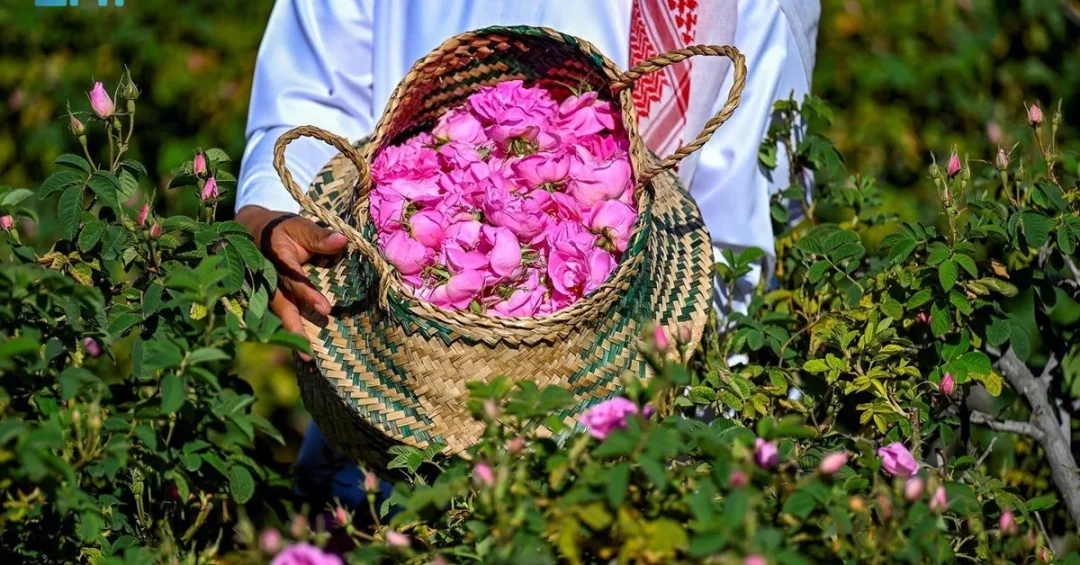
The Kingdom of Saudi Arabia has announced a strategic initiative to localize rose cultivation and production, aiming to meet growing domestic demand, reduce reliance on imports, and create new export opportunities in Gulf and Middle Eastern markets. The announcement, made by the Ministry of Environment, Water, and Agriculture on September 16, 2024, focuses on addressing the high cost and lower quality of imported roses while bolstering the agricultural sector’s contribution to the national economy.
Context and Background
The decision comes as Saudi Arabia continues to implement its Saudi Vision 2030, which prioritizes economic diversification, local production, and food security. The rose cultivation sector, traditionally reliant on imports from countries such as Kenya, Ecuador, and the Netherlands, has faced challenges including high transportation costs, supply chain disruptions, and variable quality. By localizing production, the Kingdom seeks to stabilize supply, reduce costs, and ensure higher-quality flowers for consumers and businesses across the region.
Key Details
The Ministry of Environment, Water, and Agriculture has outlined a comprehensive support package for rose growers. Key incentives include the successful application of tissue culture technology for rose propagation, which lowers production costs and enhances plant health. The ministry also offers suitable agricultural land for rose projects at encouraging prices, as well as investment opportunities that leverage the Kingdom’s comparative advantages, such as its climate-controlled farming environments and advanced irrigation systems.
Additionally, the Agricultural Development Fund will provide loans covering up to 70% of project costs, alongside technical support and automation of licensing processes. The ministry encourages the use of modern farming techniques, including hydroponic farming and smart systems for irrigation and climate control, to reduce labor and production expenses. It also highlights the potential to cultivate rare and high-demand rose varieties, which could significantly increase economic returns for producers.
Implications and Impact
This localization effort is expected to open new markets for Saudi roses in Gulf Cooperation Council (GCC) countries and the Middle East, where demand for high-quality flowers is rising. By reducing import dependency, the Kingdom can improve its trade balance and create thousands of jobs in agriculture, logistics, and retail. The initiative also aligns with global trends toward sustainable and locally sourced products, enhancing Saudi Arabia’s reputation as a hub for innovative agribusiness.
Vision 2030 Alignment
The rose cultivation localization project directly supports Vision 2030 goals of diversifying the economy, increasing non-oil exports, and empowering the private sector. By leveraging modern technology and sustainable farming practices, the initiative strengthens the agricultural sector’s contribution to GDP growth, job creation, and food security. It reflects the Kingdom’s commitment to building a knowledge-based economy where local production meets international quality standards, positioning Saudi Arabia as a competitive player in the global floral market.
20 Questions
Q1. What has Saudi Arabia announced regarding rose cultivation?
A1. Saudi Arabia has announced the localization of rose cultivation and production to meet local demand, reduce reliance on imports, and open new export markets in the Gulf and Middle East.
Q2. Why is the Kingdom localizing rose production?
A2. To address the high cost and lower quality of imported roses, create jobs, and support the agricultural sector under Vision 2030.
Q3. Which ministry made the announcement?
A3. The Ministry of Environment, Water, and Agriculture released the details of the localization initiative on September 16, 2024.
Q4. What technology is being used for rose cultivation?
A4. Tissue culture technology is used for rose propagation, which reduces production costs and improves plant quality.
Q5. How is the government supporting rose growers?
A5. Through suitable agricultural land at encouraging prices, investment opportunities, loans covering 70% of costs, and technical support.
Q6. What is the role of the Agricultural Development Fund?
A6. The fund provides loans covering up to 70% of project costs for rose cultivation projects.
Q7. What modern farming methods are encouraged?
A7. Hydroponic farming and smart systems for irrigation and climate control are promoted to reduce costs and increase efficiency.
Q8. How will the initiative affect import dependency?
A8. It will reduce reliance on imported roses, lowering costs and ensuring stable supply.
Q9. Which export markets are targeted?
A9. The initiative aims to export Saudi roses to Gulf Cooperation Council countries and other Middle Eastern markets.
Q10. How does this project create jobs?
A10. By establishing local rose farms and production facilities, the project will generate employment in agriculture, logistics, and retail.
Q11. What types of roses will be cultivated?
A11. The project includes rare and high-demand varieties to maximize economic returns for producers.
Q12. How does this align with Vision 2030?
A12. It supports economic diversification, non-oil exports, private sector growth, and food security, key pillars of Vision 2030.
Q13. What is the expected impact on quality?
A13. Local production will ensure higher-quality roses compared to imported ones, as supply chains become more controlled.
Q14. Will the initiative help reduce costs?
A14. Yes, by eliminating long-distance transportation and using efficient farming techniques, production costs are lowered.
Q15. How are licensing processes being improved?
A15. The ministry is automating licensing processes to make it easier for investors to start rose cultivation projects.
Q16. What is the significance of tissue culture?
A16. Tissue culture allows for rapid, disease-free propagation of rose plants, reducing costs and improving yield.
Q17. Can small farmers participate?
A17. Yes, the incentives and loans are designed to support a range of producers, including small and medium-sized farms.
Q18. How does this support sustainability?
A18. By using hydroponics and smart systems, the project reduces water usage and environmental impact.
Q19. What is the timeline for the initiative?
A19. The ministry has not specified a timeline, but the project is already underway with support packages available now.
Q20. How does Saudi Arabia ensure quality control?
A20. The ministry provides technical support, modern farming technologies, and automated licensing to ensure high production standards.
Reader Feedback
We value your thoughts. Please share your feedback on this article.
Your feedback helps us improve our coverage.