


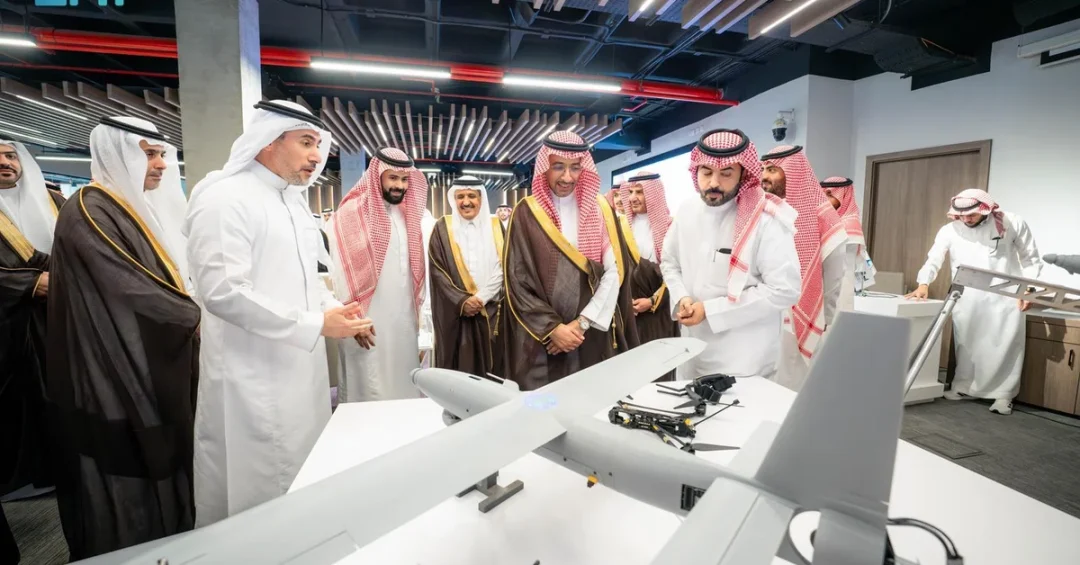
The Ministry of Industry and Mineral Resources, led by Minister Bandar Ibrahim Alkhorayef, officially launched the ‘Rafed’ program on September 16, 2024, in Riyadh, aiming to establish innovative factories within Saudi Arabia’s technical universities and colleges. The initiative marks a significant step in aligning academic research with industrial production, bringing together university expertise and private-sector capabilities to drive advanced manufacturing across the Kingdom.
Context and Background
The Rafed program is a comprehensive initiative designed to strengthen the national industrial base by integrating the innovation ecosystems of Saudi universities with the practical demands of the manufacturing sector. By establishing factories on campus, the program seeks to accelerate the translation of research into commercial products, particularly in sectors prioritized under the National Industry Strategy. The launch event was attended by senior officials, university presidents, and representatives from leading private-sector companies, underscoring the broad-based support for this public-private-academic collaboration.
Key Details and Partnerships
During the launch ceremony, Minister Alkhorayef oversaw the signing of several agreements and memoranda of understanding (MoUs) to create new factories under the Rafed umbrella. Notable partnerships include an MoU between Princess Nourah bint Abdulrahman University and Autonomous Technologies for Industry Co. to establish a drone manufacturing facility. An agreement between King Abdulaziz University and Haven Scientific will create a state-of-the-art factory for medical products, while a partnership between Qassim University and United Defense will launch an advanced drone system manufacturing plant. Additionally, Umm Al-Qura University, through Wadi Makkah Company for Technology, and Abu Al-Jadayel Food Services signed an agreement for a food manufacturing factory. The Ministry also announced the allocation of 1.4 million square meters of industrial land at King Faisal University in Al-Ahsa for food and environmental industries, and 1.5 million square meters at Umm Al-Qura University in Makkah for industries related to Hajj services.
Implications and Impact
The Rafed program is rooted in the principles of the Fourth Industrial Revolution, leveraging rapid advancements in 3D printing, engineering analysis systems, simulation, and other cutting-edge manufacturing technologies. By establishing digital manufacturing capabilities within universities, the program creates a direct pipeline for innovation, reduces the time from concept to production, and fosters a skilled workforce ready to meet the demands of a modern industrial economy. These developments are expected to boost local content, reduce imports in key sectors, and position Saudi universities as hubs for technological entrepreneurship. The initiative is also designed to complement and accelerate existing programs such as the Future Factories Program.
20 Questions
Q1. What is the Rafed program?
A1. The Rafed program is a Saudi initiative launched by the Ministry of Industry and Mineral Resources to establish innovative factories within technical universities and colleges across the Kingdom, bridging academic research and industrial production.
Q2. Who launched the Rafed program?
A2. The program was launched by Minister of Industry and Mineral Resources Bandar Ibrahim Alkhorayef during a ceremony in Riyadh on September 16, 2024.
Q3. Which universities are involved in the Rafed program?
A3. Key universities include Princess Nourah bint Abdulrahman University, King Abdulaziz University, Qassim University, Umm Al-Qura University, and King Faisal University, among others.
Q4. What type of factory will be established at Princess Nourah bint Abdulrahman University?
A4. A drone manufacturing factory will be established through an MoU between Princess Nourah bint Abdulrahman University and Autonomous Technologies for Industry Co.
Q5. What medical product factory is planned under Rafed?
A5. King Abdulaziz University and Haven Scientific signed an agreement to establish a state-of-the-art factory for medical products.
Q6. How does Rafed support Vision 2030?
A6. Rafed strengthens the national industrial base, fosters innovation, and develops human capital, directly contributing to Vision 2030’s goals of economic diversification and sustainable growth.
Q7. What technologies does the Rafed program focus on?
A7. The program leverages Fourth Industrial Revolution technologies, including 3D printing, engineering analysis, simulation, and other advanced digital manufacturing capabilities.
Q8. How much industrial land has been allocated for Rafed?
A8. The program has allocated 1.4 million square meters at King Faisal University and 1.5 million square meters at Umm Al-Qura University for industrial development.
Q9. What is the purpose of the land at Umm Al-Qura University?
A9. The 1.5 million square meters at Umm Al-Qura University in Makkah are designated for industries related to Hajj services.
Q10. Is Rafed a government program?
A10. Yes, the Rafed program is spearheaded by the Ministry of Industry and Mineral Resources, engaging technical universities and private companies.
Q11. How does Rafed help the private sector?
A11. Rafed creates direct partnerships between universities and companies, enabling private-sector firms to access research talent and establish production facilities within academic campuses.
Q12. What is the connection between Rafed and the Future Factories Program?
A12. Rafed supports and accelerates initiatives like the Future Factories Program by promoting the adoption of Fourth Industrial Revolution technologies in manufacturing.
Q13. What is the role of universities in Rafed?
A13. Universities provide the research base, innovation ecosystem, and physical space for factories, creating a seamless pipeline from idea to industrial product.
Q14. Does Rafed focus on food industries?
A14. Yes, a food manufacturing factory will be established at Umm Al-Qura University, and land at King Faisal University is allocated for food and environmental industries.
A15. Rafed aims to reduce Saudi Arabia’s reliance on imports by boosting local manufacturing capacity in high-tech sectors, enhancing economic self-sufficiency.
Q16. What is the National Industry Strategy?
A16. The National Industry Strategy is a Saudi plan to develop a robust industrial sector, and Rafed is designed to realize its objectives by fostering innovation in manufacturing.
Q17. Are defense industries part of Rafed?
A17. Yes, an agreement between Qassim University and United Defense to establish an advanced drone system factory reflects the program’s inclusion of defense-related manufacturing.
Q18. How does Rafed promote workforce development?
A18. By embedding factories in universities, students and researchers gain hands-on experience, while the program cultivates skilled talent for the modern industrial economy.
Q19. What is the significance of the Fourth Industrial Revolution for Rafed?
A19. Rafed is built on Fourth Industrial Revolution principles, using digital technologies to create agile, efficient, and innovative manufacturing capabilities on campus.
Q20. How does Rafed contribute to Saudi Arabia’s global competitiveness?
A20. By integrating research with production and adopting cutting-edge technologies, Rafed enhances Saudi Arabia’s position as a competitive hub for advanced manufacturing and innovation.
Vision 2030 Alignment
The Rafed program directly advances the goals of Saudi Vision 2030 by cultivating a diversified, knowledge-based economy driven by innovation and industrial excellence. By embedding factories within academic institutions and empowering the private sector, the initiative nurtures a sustainable ecosystem where research translates into economic value, creates skilled jobs, and reduces dependency on foreign imports. As underscored by Minister Alkhorayef, the development of a robust national industry is essential to realizing the Kingdom’s long-term ambitions, and Rafed serves as a strategic bridge between vision and execution, positioning Saudi Arabia as a global leader in advanced manufacturing.
Reader Feedback
We value your thoughts. Please share your feedback on this article.
Your feedback helps us improve our coverage.