


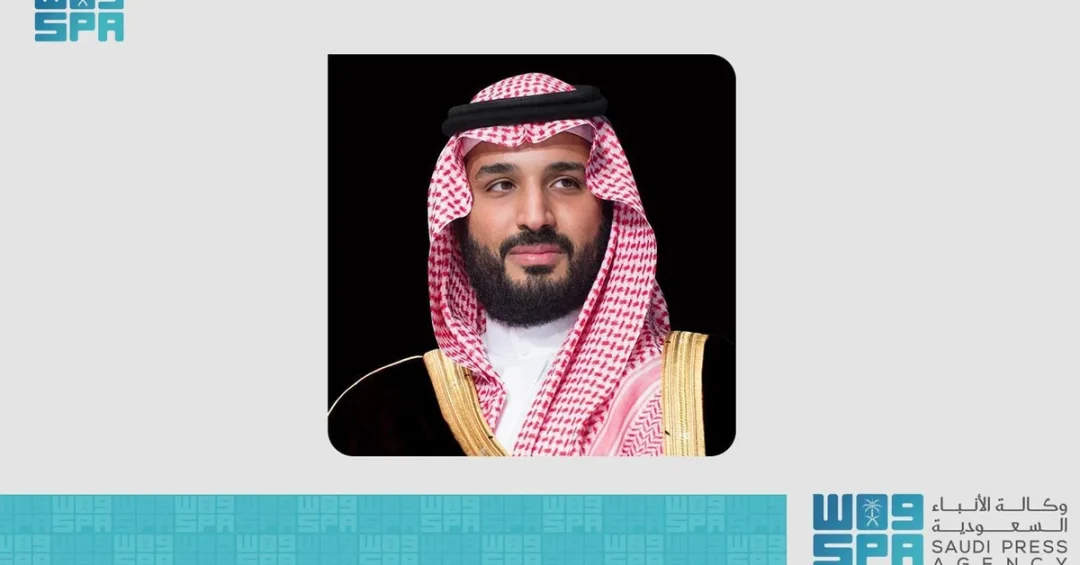
His Royal Highness Prince Mohammed bin Salman bin Abdulaziz Al Saud, Crown Prince and Prime Minister of Saudi Arabia, has sent a cable of condolences to the Amir of Kuwait, Sheikh Meshal Al-Ahmad Al-Jaber Al-Sabah, on the passing of Sheikh Bader Nasser Al-Humoud Al-Jaber Al-Sabah. The message, conveyed through official channels on September 11, 2024, underscores the deep fraternal ties and enduring solidarity between the Kingdom of Saudi Arabia and the State of Kuwait.
Context and Background
This expression of condolence is a hallmark of the longstanding relationship between the Saudi and Kuwaiti royal families and governments. The two nations share deep cultural, historical, and economic bonds, reinforced through decades of mutual cooperation within the Gulf Cooperation Council (GCC) and other regional frameworks. The gesture from HRH the Crown Prince reflects the consistent diplomatic practice of the Saudi leadership to stand with its neighbors during moments of personal and national grief, reinforcing the spirit of brotherhood that defines the Gulf region.
Key Details
In his cable, HRH the Crown Prince extended his heartfelt condolences and sympathy directly to Sheikh Meshal and to the family of the deceased. He appealed to Almighty Allah to bestow His mercy upon the soul of Sheikh Bader Nasser Al-Humoud Al-Jaber Al-Sabah. The Saudi Press Agency (SPA) reported the timing of the message, issued at 15:16 local time, underscoring the prompt and personal attention given by the Saudi leadership to this matter. Such direct communication highlights the importance of interpersonal ties and mutual respect in Gulf diplomacy.
Implications and Impact
The condolence message carries significance beyond a mere formal protocol. It demonstrates Saudi Arabia’s commitment to maintaining robust diplomatic relations with Kuwait, a key partner in promoting regional stability and economic integration. This exchange of condolences reemphasizes the unified stance of the GCC countries in supporting one another. It also reflects the Kingdom’s broader role as a pillar of support and leadership in the region, fostering a climate of trust and collaboration essential for addressing shared security and development challenges.
Vision 2030 Alignment
This act of solidarity aligns with the core principles of Saudi Arabia’s Vision 2030, which prioritizes strong regional partnerships and a stable Gulf environment as essential for economic diversification and long-term prosperity. By nurturing these fraternal ties, the Kingdom reinforces the foundation for collaborative projects in trade, investment, and tourism that are central to its ambitious reform agenda. Such gestures of diplomatic grace and respect not only honor individual legacies but also contribute to the shared vision of a cohesive, forward-looking region.
20 Questions
Q1. Who sent the condolence message to the Kuwaiti Amir?
A1. His Royal Highness Prince Mohammed bin Salman bin Abdulaziz Al Saud, Crown Prince and Prime Minister of Saudi Arabia, sent the message.
Q2. Who was the recipient of the message?
A2. The recipient was the Amir of the State of Kuwait, Sheikh Meshal Al-Ahmad Al-Jaber Al-Sabah.
Q3. On whose passing was the condolence sent?
A3. The condolence was sent on the death of Sheikh Bader Nasser Al-Humoud Al-Jaber Al-Sabah.
Q4. On what date was the condolence reported?
A4. The Saudi Press Agency reported the condolence on September 11, 2024.
Q5. What did HRH the Crown Prince extend in his message?
A5. He extended his condolences and sympathy to Sheikh Meshal and the family of the deceased.
Q6. What did HRH appeal to Almighty Allah for?
A6. He appealed to Almighty Allah to bestow His mercy upon the soul of the deceased.
Q7. Which official agency reported the news?
A7. The Saudi Press Agency (SPA) reported the cable of condolences.
Q8. What does this gesture reflect about Saudi-Kuwait relations?
A8. It reflects the deep fraternal ties and enduring solidarity between the Kingdom and the State of Kuwait.
Q9. How does this message support Gulf regional unity?
A9. It reinforces the unified stance of GCC countries in supporting one another during personal and national moments of grief.
Q10. What is the broader role of Saudi Arabia in the region?
A10. Saudi Arabia serves as a pillar of support and leadership, fostering trust and collaboration for shared security and development.
Q11. Why are such personal gestures important in Gulf diplomacy?
A11. They highlight the importance of interpersonal ties and mutual respect, which underpin stronger diplomatic relations.
Q12. How does this relate to the history of Saudi-Kuwait ties?
A12. They share deep cultural, historical, and economic bonds reinforced through decades of cooperation within the GCC.
Q13. What time was the message issued according to SPA?
A13. The message was issued at 15:16 local time (12:16 GMT).
Q14. Did the message include a specific religious prayer?
A14. Yes, an appeal to Allah to bestow mercy upon the soul of the deceased was included.
Q15. What is the significance of prompt communication in such cases?
A15. It underscores the personal attention and respect the Saudi leadership gives to neighboring nations during times of loss.
Q16. How does this act align with Vision 2030?
A16. It supports stable regional partnerships essential for economic diversification and long-term development goals under Vision 2030.
Q17. Which regional group do both Saudi Arabia and Kuwait belong to?
A17. Both are members of the Gulf Cooperation Council (GCC).
Q18. What does this message signify for future bilateral relations?
A18. It reinforces the foundation for continued collaboration in trade, investment, and regional security.
Q19. Is this a standard diplomatic practice for Saudi Arabia?
A19. Yes, it reflects the consistent diplomatic practice of standing with neighbors during moments of personal and national grief.
Q20. What is the overall tone of the message?
A20. The tone is deeply respectful, fraternal, and sympathetic, embodying the spirit of brotherhood in the Gulf region.
Reader Feedback
We value your thoughts. Please share your feedback on this article.
Your feedback helps us improve our coverage.