


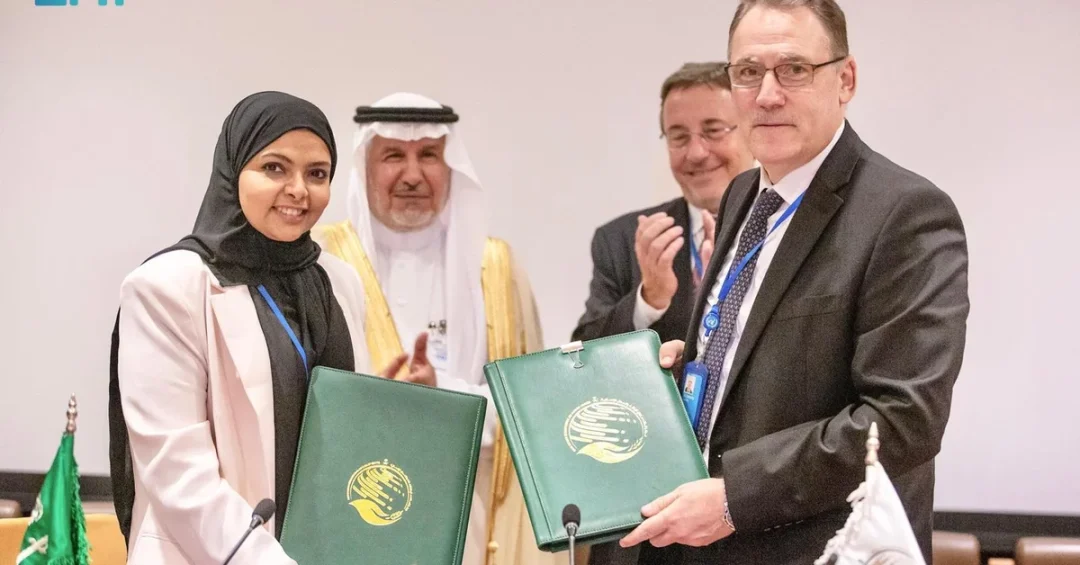
King Salman Humanitarian Aid and Relief Center (KSrelief) signed a cooperation agreement with the United Nations Development Programme (UNDP) on September 28, 2024, to support the water and sanitation sector in Sudan’s Kassala and Gedaref states. The agreement was formalized on the sidelines of the 79th session of the United Nations General Assembly in New York, in the presence of Advisor to the Royal Court and Supervisor General of KSrelief Dr. Abdullah bin Abdulaziz Al Rabeeah and UNDP Director-General Achim Steiner.
Context and Background
The initiative addresses critical water and sanitation needs in eastern Sudan, a region facing significant challenges due to displacement and environmental pressures. Sudan has experienced recurrent humanitarian crises, including water-borne diseases exacerbated by inadequate infrastructure. This agreement aligns with international efforts coordinated through the UN General Assembly to stabilize vulnerable regions and improve public health outcomes.
Key Details
The agreement, valued at $3,500,000, will directly benefit 833,520 individuals and indirectly reach 5 million people. Solar energy systems will be installed at ten new water plants, expanding water distribution points. Water collection and storage containers will be distributed to the most vulnerable families, along with water treatment tablets for safe drinking water. Hygiene kits will be provided to needy families, and handwashing materials will be distributed to 54 schools and clubs. Awareness publications reaching 10,000 people will promote personal hygiene practices.
International Impact
This partnership highlights Saudi Arabia’s growing role in global humanitarian diplomacy. By collaborating with the UNDP, KSrelief leverages international expertise to ensure sustainable outcomes. The project reduces disease spread and improves quality of life, contributing to regional stability. It also strengthens ties between the Kingdom and the United Nations, reinforcing Saudi Arabia’s commitment to multilateral action on pressing global challenges.
20 Questions
Q1. What is the value of the KSrelief-UNDP agreement for water and sanitation in Sudan?
A1. The agreement is valued at $3,500,000, which will support water and sanitation projects in Sudan’s Kassala and Gedaref states, benefiting over 800,000 people directly and millions indirectly.
Q2. When and where was the agreement signed?
A2. The agreement was signed on September 28, 2024, on the sidelines of the 79th session of the United Nations General Assembly in New York.
Q3. Who signed the agreement on behalf of KSrelief and UNDP?
A3. The agreement was signed in the presence of Advisor to the Royal Court and Supervisor General of KSrelief Dr. Abdullah bin Abdulaziz Al Rabeeah and UNDP Director-General Achim Steiner.
Q4. Which regions in Sudan will benefit from the project?
A4. The project focuses on Kassala and Gedaref states in eastern Sudan, areas facing significant water and sanitation challenges due to displacement and environmental factors.
Q5. How many individuals will benefit directly from the agreement?
A5. A total of 833,520 individuals will benefit directly from the water and sanitation improvements provided by the agreement.
Q6. How many individuals will benefit indirectly?
A6. Approximately 5 million individuals will benefit indirectly through improved water infrastructure and reduced disease spread in the region.
Q7. What infrastructure will be installed under the agreement?
A7. Solar energy systems will be installed at ten new water plants, and water distribution points will be expanded to increase access to clean water.
Q8. How will water be provided to vulnerable families?
A8. Water collection and storage containers will be distributed to the most vulnerable families, along with water treatment tablets for safe drinking water.
Q9. What hygiene items will be provided to families?
A9. Hygiene kits will be provided to needy families, and handwashing materials will be distributed to schools and clubs to promote hygiene practices.
Q10. How many schools and clubs will receive handwashing materials?
A10. Handwashing materials will be distributed to 54 schools and clubs in the targeted areas of Kassala and Gedaref states.
Q11. How will awareness about hygiene be raised?
A11. Publications reaching 10,000 people will raise awareness about the importance of personal hygiene to prevent disease and improve public health.
Q12. What is the role of solar energy in this project?
A12. Solar energy systems will power new water plants, providing a sustainable and environmentally friendly solution for water supply in the region.
Q13. Which humanitarian organization represents Saudi Arabia in the agreement?
A13. The King Salman Humanitarian Aid and Relief Center (KSrelief) represents Saudi Arabia, as the Kingdom’s leading humanitarian aid agency.
Q14. What is the linkage to the United Nations General Assembly?
A14. The agreement was signed on the sidelines of the 79th session of the UN General Assembly, highlighting the international cooperation and diplomatic context.
Q15. How does this agreement align with Saudi Arabia’s humanitarian reputation?
A15. It reinforces Saudi Arabia’s role as a global humanitarian leader, consistent with the Kingdom’s history of aid projects in over 90 countries.
Q16. What disease prevention benefits are expected from the project?
A16. By providing clean water and hygiene education, the project aims to reduce the spread of water-borne diseases and epidemics in vulnerable communities.
Q17. Which other UN agency is mentioned in the article context?
A17. The UNDP is the primary UN partner, but similar projects by KSrelief often involve other UN agencies like UNICEF and WHO.
Q18. What is the duration of the project under the agreement?
A18. The specific duration is not stated in the article, but such projects typically run for 12 to 24 months based on implementation plans.
Q19. How does this support Saudi Vision 2030?
A19. It demonstrates Saudi Arabia’s commitment to global humanitarianism and sustainable development, key pillars of Vision 2030’s international engagement.
Q20. What is the significance of the signing location?
A20. Signing at the UN General Assembly in New York underscores the agreement’s global importance and Saudi Arabia’s active role in multilateral diplomacy.
Vision 2030 Alignment
This agreement exemplifies Saudi Arabia’s commitment to Vision 2030, which prioritizes humanitarian action, sustainable development, and global partnerships. By providing clean water and sanitation to Sudan, the Kingdom reinforces its role as a responsible international actor, driving positive change in vulnerable regions. The solar energy component also aligns with Vision 2030’s sustainability goals, showcasing Saudi innovation in environmental solutions. Through projects like these, Saudi Arabia continues to build bridges of cooperation and solidarity, advancing a future of prosperity and stability worldwide.
Reader Feedback
We value your thoughts. Please share your feedback on this article.
Your feedback helps us improve our coverage.