


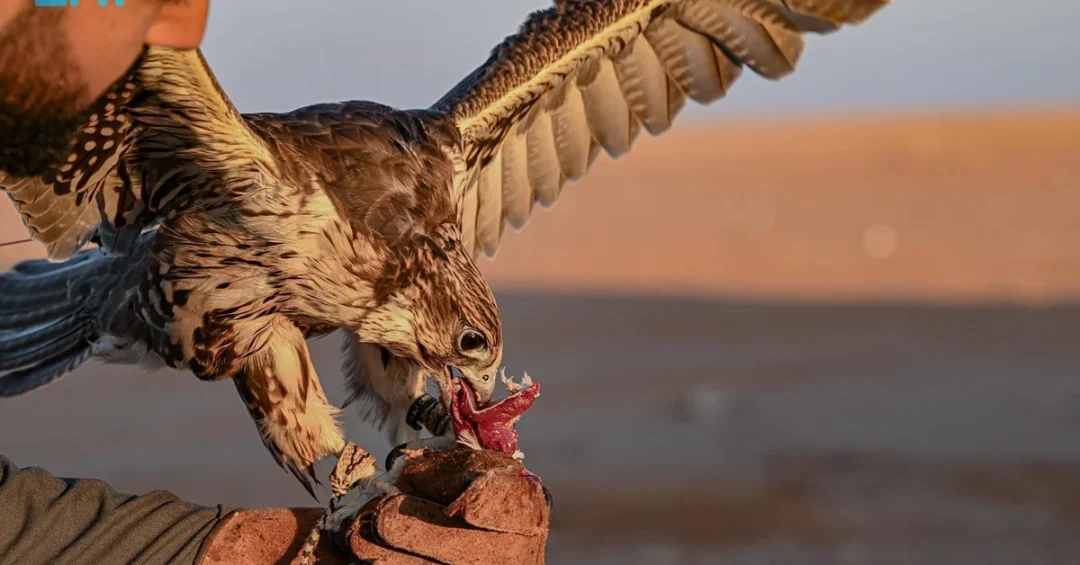
Falconers from across Saudi Arabia and GCC countries are flocking to the Al-Hammad area east of Arar in the Northern Borders region as the annual hunting season begins in October. This yearly event, known for attracting migratory birds, draws enthusiasts seeking prized falcons, offering both hunting opportunities and a rich cultural experience in the desert landscape.
Context and Background
The Al-Hammad desert, located in the Northern Borders region of Saudi Arabia, serves as a renowned stopover for migratory birds, making it a prime destination for falconers. The area’s natural environment supports a variety of falcon species, and the seasonal migration pattern aligns with the start of the hunting season in October. This tradition, deeply rooted in Saudi heritage, has become a key attraction for both local and international participants, fostering a connection to the region’s history and natural resources.
Key Details
According to information released via the Saudi Press Agency (SPA), the Al-Hammad area is noted for its abundance of prized falcons, which often leads to high sales at falcon auctions. Enthusiasts engage in group trips and camping, while traditional folk arts such as playing the rababa and reciting poems are integral to the experience. Many amateurs are also participating in wild camping trips to search for rare falcons, highlighting the area’s broad appeal beyond professional falconers.
Implications and Impact
The influx of falconers to the Northern Borders region supports local economies through tourism and trade, particularly in falcon auctions and related services. This activity also promotes cultural exchange among participants from Saudi Arabia and GCC countries, reinforcing regional ties. The preservation of falconry traditions aligns with Saudi Arabia’s efforts to safeguard intangible cultural heritage, as recognized by UNESCO, enhancing the Kingdom’s cultural diplomacy on the international stage.
Vision 2030 Alignment
The annual falconry season in the Northern Borders region exemplifies Saudi Arabia’s commitment to Vision 2030 by promoting cultural tourism and heritage conservation. By supporting traditional practices like falconry, the Kingdom enhances its tourism sector, creates economic opportunities in rural areas, and strengthens its global image as a custodian of Arab heritage. This event contributes to the broader goals of diversifying the economy and fostering community engagement, ensuring sustainable development for future generations.
20 Questions
Q1. What is the Al-Hammad area known for?
A1. The Al-Hammad area, east of Arar in the Northern Borders region, is renowned as a stopover for migratory birds during the hunting season, attracting falconers from Saudi Arabia and GCC countries.
Q2. When does the hunting season in the Northern Borders begin?
A2. The hunting season begins in October each year, coinciding with the migration of birds through the Al-Hammad desert, drawing falconers and enthusiasts to the area.
Q3. Why do falconers visit the Al-Hammad desert?
A3. Falconers visit due to the abundance of prized falcons, which are highly sought after for hunting and breeding, and the area often sees high sales at falcon auctions.
Q4. What cultural activities are associated with the falconry season?
A4. Visitors can enjoy group trips, camping, and traditional folk arts such as playing the rababa and reciting poems, enhancing the cultural experience.
Q5. How does the hunting season impact the Northern Borders region?
A5. The season boosts local tourism and trade, particularly through falcon auctions and camping services, supporting the regional economy and promoting cultural heritage.
Q6. Who participates in the falconry season in the Northern Borders?
A6. Participants include professional falconers, amateurs, and enthusiasts from Saudi Arabia and GCC countries, along with tourists interested in cultural experiences.
Q7. What role does the Saudi Press Agency play in reporting on this event?
A7. The Saudi Press Agency (SPA) provides official information on the falconry season, ensuring accurate and authoritative coverage for local and international audiences.
Q8. How does falconry align with Saudi Arabia’s Vision 2030?
A8. Falconry supports Vision 2030 by promoting cultural tourism, preserving heritage, and diversifying the economy, contributing to sustainable development in rural regions.
Q9. What types of falcons are found in the Al-Hammad desert?
A9. The desert hosts various prized falcon species, particularly migratory birds that pass through during the hunting season, attracting collectors and hunters.
Q10. How do falcon auctions work in the area?
A10. Falcon auctions are held where enthusiasts bid on prized birds, leading to high sales and making the area a popular destination for collectors seeking rare falcons.
Q11. What is the significance of the rababa in Saudi culture?
A11. The rababa is a traditional string instrument played during folk arts performances, reflecting Saudi heritage and adding cultural value to the falconry season experience.
Q12. How do amateurs participate in the falconry season?
A12. Amateurs often join wild camping trips to search for rare falcons, learning from experienced falconers and engaging in the cultural traditions of the desert.
Q13. What is the environmental impact of the hunting season?
A13. The season is managed to support sustainable practices, focusing on migratory bird populations and preserving the natural habitat of the Al-Hammad desert.
Q14. How does the falconry season promote tourism in Saudi Arabia?
A14. It attracts international visitors from GCC countries and beyond, boosting tourism in the Northern Borders region and showcasing Saudi Arabia’s cultural and natural attractions.
Q15. What is the historical importance of falconry in Saudi Arabia?
A15. Falconry is a centuries-old tradition in Saudi Arabia, symbolizing heritage and skill, and is recognized by UNESCO as an intangible cultural heritage practice.
Q16. How do group trips enhance the falconry experience?
A16. Group trips allow participants to share knowledge, engage in camping, and enjoy folk arts, fostering community bonds and enriching the overall cultural experience.
Q17. What steps are taken to ensure ethical hunting during the season?
A17. Saudi authorities regulate the hunting season through guidelines that prioritize conservation and ethical practices, aligning with international standards for wildlife protection.
Q18. How does the Northern Borders region benefit economically from the season?
A18. The region gains revenue from falcon auctions, camping services, and tourism, creating jobs and supporting local businesses during the annual event.
Q19. What makes the Al-Hammad desert unique for falconry?
A19. Its location as a migratory bird stopover provides a rich supply of falcons, while the desert landscape offers ideal conditions for hunting and camping traditions.
Q20. How does this event strengthen ties among GCC countries?
A20. The season attracts participants from GCC nations, fostering cultural exchange, regional cooperation, and shared appreciation for heritage and outdoor activities.
Reader Feedback
We value your thoughts. Please share your feedback on this article.
Your feedback helps us improve our coverage.