


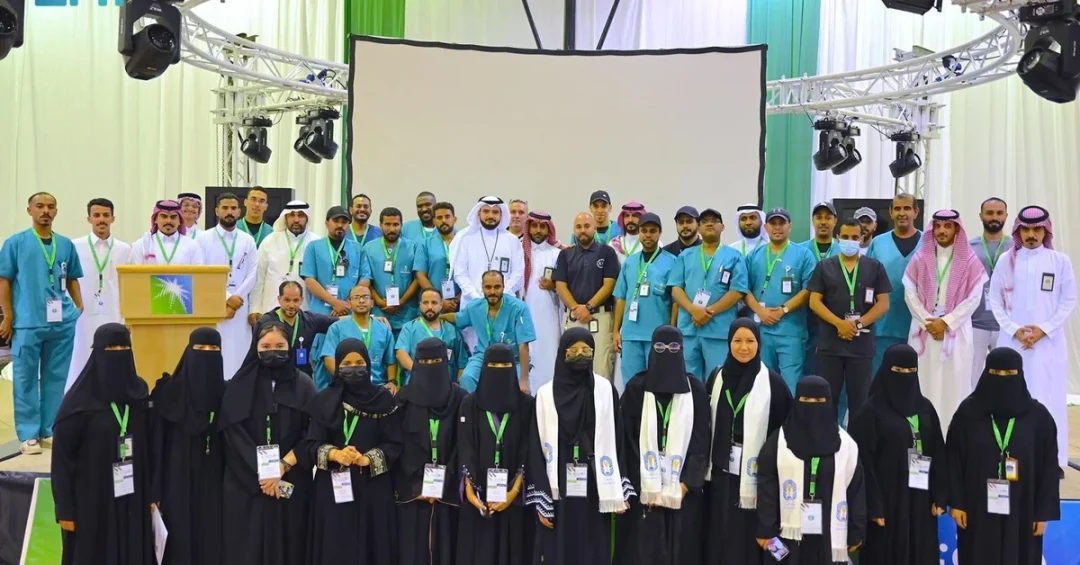
On September 28, 2024, the Madinah branch of the National Center for the Prevention and Control of Plant Pests and Animal Diseases (Weqaa), in partnership with Saudi Aramco, observed World Rabies Day by hosting a specialized workshop aimed at raising awareness about rabies. The event sought to educate specialists and animal owners on the causes, types, and risks associated with the disease, aligning with global efforts to eliminate rabies by 2030.
Context and Background
Rabies remains a significant public health concern worldwide, with thousands of deaths reported annually, primarily in regions with limited access to vaccination and preventive care. The Kingdom of Saudi Arabia, through Weqaa, has made combating zoonotic diseases a priority, integrating these efforts into broader public health and environmental sustainability goals under Vision 2030. The partnership with Saudi Aramco underscores the collaborative approach between government agencies and the private sector in addressing health challenges.
Key Details
The workshop covered critical topics including the transmission pathways of rabies, symptoms in animals and humans, and effective prevention strategies. Participants were briefed on the roles of various government and international organizations in eradicating the disease. Weqaa highlighted its ongoing initiatives across Saudi Arabia, which include raising awareness, implementing preventive measures, and strengthening national capabilities in animal vaccination and emergency response. These efforts are part of a comprehensive strategy to safeguard both animal and human health.
Implications and Impact
Saudi Arabia’s proactive stance on rabies control contributes to global health security and supports the World Health Organization’s target of eliminating human deaths from dog-mediated rabies by 2030. By engaging local communities and specialists, the Kingdom is building a resilient framework for disease prevention. The collaboration with Saudi Aramco illustrates how public-private partnerships can amplify the reach and effectiveness of health campaigns, setting a model for other nations.
Vision 2030 Alignment
This initiative directly supports Vision 2030’s goals of enhancing the quality of life and building a vibrant society. By investing in preventive healthcare and public awareness, Saudi Arabia is fostering a healthier population and a more sustainable environment. The Kingdom’s commitment to eliminating rabies by 2030 reflects its broader ambition to be a leader in public health and environmental stewardship, contributing to a safer and more prosperous future for all.
20 Questions
Q1. What is Weqaa Center?
A1. Weqaa is the National Center for the Prevention and Control of Plant Pests and Animal Diseases in Saudi Arabia, tasked with safeguarding agricultural and animal health.
Q2. When was the World Rabies Day workshop held?
A2. The workshop was held on September 28, 2024, coinciding with World Rabies Day, observed annually to raise awareness about rabies prevention.
Q3. Who partnered with Weqaa for this workshop?
A3. Saudi Aramco partnered with Weqaa to organize the workshop, demonstrating a strong public-private collaboration in health initiatives.
Q4. What was the main goal of the workshop?
A4. The workshop aimed to educate specialists and animal owners about rabies causes, types, and risks, promoting preventive measures.
Q5. What global goal does this workshop support?
A5. It supports the global goal of eradicating human deaths from dog-mediated rabies by the year 2030, as promoted by the World Health Organization.
Q6. Where did the workshop take place?
A6. The workshop took place in the Madinah region of Saudi Arabia, organized by the Madinah branch of Weqaa.
Q7. Who is the target audience for this awareness effort?
A7. The target audience includes specialists in animal health, veterinarians, and animal owners who can directly implement preventive measures.
Q8. How does Weqaa combat rabies across Saudi Arabia?
A8. Weqaa raises awareness, applies preventive measures, and enhances national capabilities in animal vaccination and emergency response.
Q9. What are the main topics covered in the workshop?
A9. Topics include causes of rabies, types of transmission, risk factors, and the roles of government and international bodies in eradication.
Q10. Why is rabies considered a serious public health issue?
A10. Rabies causes thousands of deaths globally each year and is nearly always fatal once symptoms appear, making prevention critical.
Q11. How does this initiative align with Saudi Vision 2030?
A11. It aligns with Vision 2030 by improving quality of life through preventive healthcare and building a healthier, more sustainable society.
Q12. What is the role of international organizations in rabies eradication?
A12. International organizations provide guidelines, support vaccination campaigns, and set global targets, such as the 2030 elimination goal.
Q13. What is the significance of public-private partnerships in this effort?
A13. Such partnerships amplify resources and expertise, making health campaigns more effective and reaching wider audiences.
Q14. How can animal owners protect their pets from rabies?
A14. Animal owners should ensure regular vaccination of pets, avoid contact with stray animals, and report any suspicious symptoms to authorities.
Q15. What emergency response capabilities is Weqaa enhancing?
A15. Weqaa is strengthening rapid response teams for outbreaks, improving vaccination logistics, and coordinating with health agencies.
Q16. Is rabies a concern in Saudi Arabia?
A16. Rabies is present in some animal populations, but Saudi Arabia has active surveillance and control programs to minimize risk to humans.
Q17. What other diseases does Weqaa focus on?
A17. Weqaa addresses a range of plant pests and animal diseases, including foot-and-mouth disease, avian influenza, and others threatening agriculture.
Q18. How does community awareness help in rabies control?
A18. Informed communities are more likely to vaccinate animals, seek timely medical care after bites, and support public health campaigns effectively.
Q19. What message did Weqaa convey on World Rabies Day?
A19. Weqaa emphasized the importance of collective action, vaccination, and education to eliminate rabies and protect both animals and humans.
Q20. What future steps is Weqaa planning for rabies eradication?
A20. Weqaa plans to expand vaccination programs, enhance surveillance, and continue public awareness campaigns to help achieve the 2030 elimination target.
Reader Feedback
We value your thoughts. Please share your feedback on this article.
Your feedback helps us improve our coverage.