


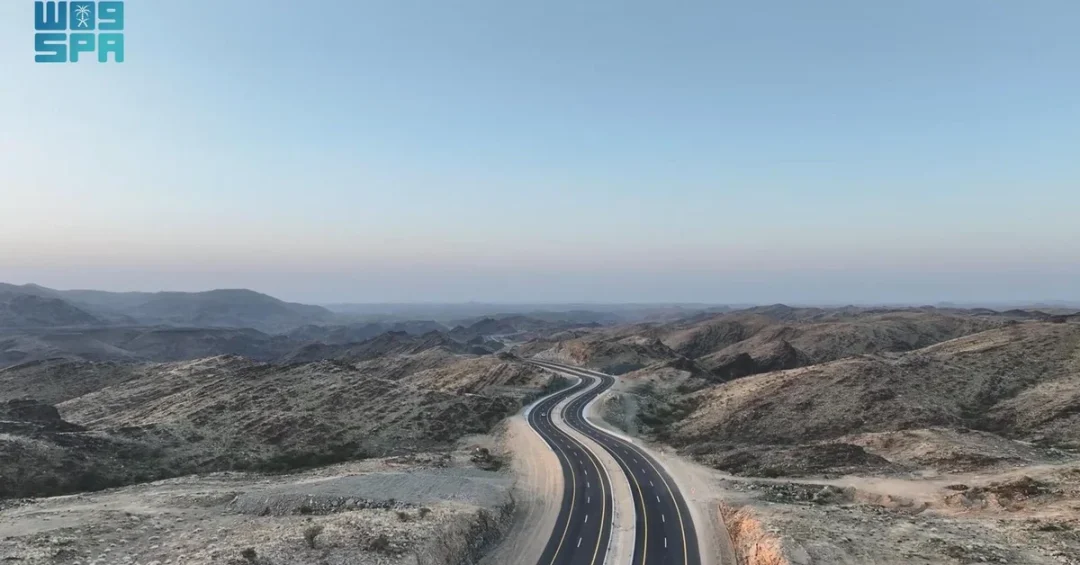
The Roads General Authority in Saudi Arabia is driving significant economic, tourism, and social development in the Al-Baha region through a series of strategic road infrastructure projects, as reported by the Saudi Press Agency. These initiatives, which include new road construction and the duplication of existing highways, are designed to enhance connectivity, improve safety, and support sustainable growth, aligning with the Kingdom’s broader Vision 2030 objectives.
Context and Background
Al-Baha, a mountainous region in southwestern Saudi Arabia known for its natural beauty and cultural heritage, has long been a focus for development under the Kingdom’s national strategies. The region’s road network is critical for linking its various governorates and connecting Al-Baha to neighboring areas. This connectivity is essential for unlocking economic potential, boosting tourism by providing easier access to attractions, and fostering social integration. The ongoing projects by the Roads General Authority reflect a comprehensive approach to transforming the region’s infrastructure into a modern, safe, and efficient system that supports local communities and industries.
Key Details
Among the major undertakings is the construction of a 22-kilometer road connecting Baljurashi and Al-Aqiq, a project valued at SAR219 million. This artery is expected to significantly reduce travel times and improve access for residents and visitors alike. Additionally, the authority has completed 34 kilometers of agricultural roads costing SAR39 million, which will directly benefit the region’s farming communities by facilitating the transport of goods. Two other ongoing projects are the duplication of the Al-Makhwah-Al-Majardah road, now 65% complete, and the construction of a 23-kilometer road linking Al-Qura and Al-Aqiq, which stands at 56% completion. These projects collectively aim to improve road safety, accommodate growing traffic volumes, and contribute to sustainable development.
Implications and Impact
The improvements extend beyond mere transportation. By enhancing the road network, the Roads General Authority is supporting the region’s economic diversification efforts, particularly in tourism and agriculture. Safer and more reliable roads are expected to attract more domestic and international visitors to Al-Baha’s scenic landscapes, thereby boosting local businesses and creating jobs. The projects also support the authority’s commitment to the Roads Sector Strategy, which includes targets such as reducing road deaths to fewer than five per 100,000 people and implementing traffic safety measures according to IRAP standards. This strategic focus on safety and quality strengthens Saudi Arabia’s position as a global logistics hub and enhances the quality of life for all citizens.
Vision 2030 Alignment
These infrastructure developments in Al-Baha directly support the goals of Saudi Vision 2030 by fostering economic growth, improving social welfare, and promoting sustainable tourism. The Roads General Authority’s ongoing projects are a clear demonstration of the Kingdom’s commitment to building a modern, world-class infrastructure network that connects communities, drives economic diversification, and enhances the quality of life for its people. As these projects near completion, they will further solidify Al-Baha’s role as a vital region within a globally connected and prosperous Saudi Arabia.
20 Questions
Q1. What is the primary goal of the Roads General Authority’s projects in Al-Baha?
A1. The primary goal is to boost economic, tourism, and social development by improving road connectivity, safety, and quality, supporting regional growth and alignment with Vision 2030.
Q2. How much did the 22-kilometer road connecting Baljurashi and Al-Aqiq cost?
A2. The 22-kilometer road project between Baljurashi and Al-Aqiq was undertaken at a cost of SAR219 million, as reported by the Saudi Press Agency.
Q3. What is the length of agricultural roads completed in Al-Baha?
A3. The Roads General Authority completed 34 kilometers of agricultural roads in Al-Baha, costing SAR39 million, to support the farming sector.
Q4. What is the current completion percentage of the Al-Makhwah-Al-Majardah road duplication project?
A4. The duplication of the Al-Makhwah-Al-Majardah road is currently 65% complete, as per the latest update from the authority.
Q5. Which road project in Al-Baha is 56% complete?
A5. The construction of a 23-kilometer road linking Al-Qura and Al-Aqiq is 56% complete and progressing steadily.
Q6. How does the road network in Al-Baha support tourism?
A6. The road network improves access to Al-Baha’s natural attractions, making it easier for domestic and international tourists to visit, thus boosting local tourism.
Q7. What is the target reduction for road deaths per 100,000 people under the Roads Sector Strategy?
A7. The target is to reduce road deaths to fewer than five cases per 100,000 people, enhancing overall road safety.
Q8. What safety standards are being implemented for roads in Al-Baha?
A8. Traffic safety factors are being implemented according to IRAP (International Road Assessment Programme) standards to ensure high safety levels.
Q9. How do these road projects contribute to sustainable development?
A9. They improve safety, reduce travel times, and support economic activities like agriculture and tourism, all while aligning with national sustainability goals.
Q10. What is the total cost of the Baljurashi-Al-Aqiq road project in SAR?
A10. The total cost is SAR219 million, a significant investment to improve connectivity in the Al-Baha region.
Q11. How many kilometers of agricultural roads were completed in Al-Baha?
A11. Exactly 34 kilometers of agricultural roads were completed, costing SAR39 million, directly aiding local farmers.
Q12. What is the name of the authority responsible for these road projects?
A12. The Roads General Authority (formerly the General Authority for Roads) is responsible for overseeing these infrastructure developments.
Q13. How do these projects support social development in Al-Baha?
A13. They connect remote communities, provide safer travel, and improve access to services, thereby enhancing social integration and quality of life.
Q14. When was the information about these projects released?
A14. The information was released by the Saudi Press Agency on September 30, 2024, detailing the ongoing projects and their impacts.
Q15. What is the broader strategic context for these road projects?
A15. They are part of Saudi Arabia’s strategy to become a global logistics hub and improve quality of life through safe, reliable roads under Vision 2030.
Q16. How will the duplication of Al-Makhwah-Al-Majardah road benefit the region?
A16. Duplication will reduce congestion, improve traffic flow, and enhance safety, supporting economic activities and travel between the areas.
Q17. What is the significance of the 23-kilometer road between Al-Qura and Al-Aqiq?
A17. This road will provide a direct link, reducing travel distances and times, and promoting easier movement of people and goods.
Q18. Does the Roads General Authority have a plan for maintaining these roads?
A18. Yes, the authority is committed to maintaining advanced service levels for the road network, ensuring long-term safety and reliability.
Q19. How do these projects impact the agricultural sector in Al-Baha?
A19. The new agricultural roads facilitate the transport of produce to markets, reducing costs and waste, and boosting local farming efficiency and income.
Q20. What is the expected outcome of these infrastructure improvements for Al-Baha?
A20. The expected outcome is a safer, more connected region that attracts tourism, supports agriculture, and creates economic opportunities, fully aligned with Vision 2030’s goals for regional development.
Reader Feedback
We value your thoughts. Please share your feedback on this article.
Your feedback helps us improve our coverage.