


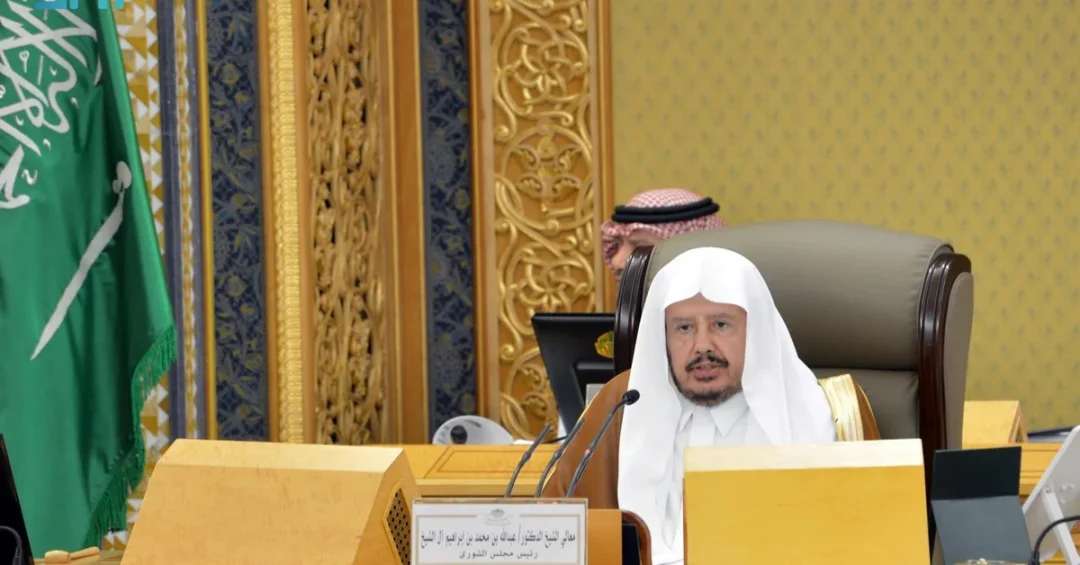
The Shura Council, under the leadership of Speaker Sheikh Dr. Abdullah bin Mohammed bin Ibrahim Al Al-Sheikh, convened its second ordinary session of the first year of the ninth term in Riyadh on September 30, 2024. The session marked a significant step in the Kingdom’s legislative and advisory processes, underscoring the Council’s role in supporting national development and international cooperation.
Context and Background
The Shura Council serves as a key advisory body to the Saudi leadership, providing recommendations on laws, policies, and international agreements. This session was part of the regular calendar, reflecting the Council’s ongoing commitment to reviewing and approving strategic initiatives that align with Saudi Arabia’s Vision 2030. The session began with Speaker Al Al-Sheikh expressing gratitude to the Custodian of the Two Holy Mosques, King Salman bin Abdulaziz Al Saud, and His Royal Highness Prince Mohammed bin Salman bin Abdulaziz Al Saud, Crown Prince and Prime Minister, for their continuous support, which he described as a significant motivator for the Council’s success.
Key Details
During the session, the Council approved several key memoranda of understanding (MoUs) and international agreements. These included an MoU between the Saudi Ministry of Foreign Affairs and the foreign ministries of Rwanda, San Marino, and Estonia for political consultations, strengthening diplomatic ties. The Council also approved an MoU between the Saudi Oversight and Anti-Corruption Authority (Nazaha) and the Chinese Independent Commission Against Corruption to enhance cooperation in corruption prevention and combat. Additionally, a logistics sector MoU was approved between the Saudi Ministry of Transport and Logistics Services and its Romanian counterpart, along with an air transport services agreement with the Republic of Mozambique. The Council also endorsed the foundational system for the International Center for Artificial Intelligence Research and Ethics (ICAIRE) and an MoU between the Saudi Authority for Intellectual Property and the World Intellectual Property Organization to establish a trust fund for developmental projects in intellectual property.
Implications and Impact
These approvals have far-reaching implications, enhancing Saudi Arabia’s global engagement in diplomacy, anti-corruption, logistics, aviation, artificial intelligence, and intellectual property. The MoUs with Rwanda, San Marino, and Estonia signal a broadening of political consultations, while the agreement with China’s anti-corruption body reinforces transparency efforts. The logistics and aviation agreements with Romania and Mozambique support trade and connectivity, aligning with Vision 2030’s economic diversification goals. The ICAIRE foundation underscores Saudi Arabia’s leadership in ethical AI, and the intellectual property trust fund promotes global innovation.
Vision 2030 Alignment
The Shura Council’s session directly supports Vision 2030 by fostering international partnerships and institutional reforms. By approving agreements that advance political dialogue, combat corruption, and enhance logistics, aviation, AI ethics, and intellectual property, the Council contributes to the Kingdom’s ambition of becoming a global hub for innovation and sustainable development. These actions reflect Saudi Arabia’s commitment to transparent governance and economic growth, positioning the Kingdom as a proactive partner in the international community.
20 Questions
Q1. What is the Shura Council?
A1. The Shura Council is a legislative and advisory body in Saudi Arabia that reviews and provides recommendations on laws, policies, and international agreements, supporting national development under Vision 2030.
Q2. Who presided over the second ordinary session?
A2. The session was presided over by the Shura Council Speaker, Sheikh Dr. Abdullah bin Mohammed bin Ibrahim Al Al-Sheikh, who led the proceedings in Riyadh.
Q3. When was the session held?
A3. The second ordinary session of the first year of the ninth term was held on September 30, 2024, in Riyadh, Saudi Arabia.
Q4. What was the first action taken by the Speaker?
A4. Speaker Al Al-Sheikh expressed gratitude to King Salman and Crown Prince Mohammed bin Salman for their support, which he said motivates the Council’s success.
Q5. How many MoUs and agreements were approved?
A5. The Council approved seven MoUs and agreements with various countries and organizations covering sectors like diplomacy, anti-corruption, logistics, and intellectual property.
Q6. Which countries were involved in political consultation MoUs?
A6. The MoUs for political consultations were approved with Rwanda, San Marino, and Estonia, enhancing bilateral diplomatic ties.
Q7. Which Saudi agency collaborated with China on anti-corruption?
A7. The Saudi Oversight and Anti-Corruption Authority (Nazaha) signed an MoU with the Chinese Independent Commission Against Corruption.
Q8. What was the focus of the Romania MoU?
A8. The MoU between Saudi Arabia and Romania focused on cooperation in the logistics sector, aimed at enhancing supply chain efficiency.
Q9. What did the Mozambique agreement cover?
A9. The agreement with Mozambique concerned air transport services, intending to improve connectivity and trade between the two nations.
Q10. What is ICAIRE?
A10. The International Center for Artificial Intelligence Research and Ethics (ICAIRE) is an initiative approved by the Council to promote ethical AI research and development.
Q11. What intellectual property MoU was approved?
A11. An MoU between the Saudi Authority for Intellectual Property and the World Intellectual Property Organization was approved to create a trust fund for IP development projects.
Q12. How do these approvals support Vision 2030?
A12. They align with Vision 2030 by fostering international partnerships, economic diversification, transparency, and innovation across multiple sectors.
Q13. What is the role of the Ministry of Foreign Affairs in these MoUs?
A13. The Ministry of Foreign Affairs was involved in political consultation MoUs with Rwanda, San Marino, and Estonia to strengthen diplomatic relations.
Q14. Why is the anti-corruption agreement important?
A14. The agreement with China enhances collaboration in preventing and combating corruption, reinforcing Saudi Arabia’s commitment to transparency and good governance.
Q15. How does the logistics MoU benefit Saudi Arabia?
A15. The MoU with Romania aims to improve logistics cooperation, supporting Saudi efforts to become a global logistics hub under Vision 2030.
Q16. Will the Mozambique agreement boost tourism?
A16. Yes, the air transport agreement can facilitate tourism and business travel, supporting Saudi Arabia’s goals to increase international visitor numbers.
Q17. What is the significance of ICAIRE?
A17. ICAIRE positions Saudi Arabia as a leader in ethical AI research, contributing to global standards and local innovation for sustainable development.
Q18. How will the intellectual property trust fund work?
A18. The trust fund, in collaboration with WIPO, will finance developmental projects to enhance intellectual property protection and innovation in Saudi Arabia and globally.
Q19. What is the Shura Council’s overall role in Saudi governance?
A19. The Council advises on laws and policies, reviewing international agreements to ensure they align with national interests and Vision 2030 objectives.
Q20. How does this session reflect Saudi Arabia’s global engagement?
A20. By approving diverse international agreements, the session demonstrates Saudi Arabia’s proactive role in diplomacy, trade, and innovation, fostering global partnerships.
Reader Feedback
We value your thoughts. Please share your feedback on this article.
Your feedback helps us improve our coverage.