


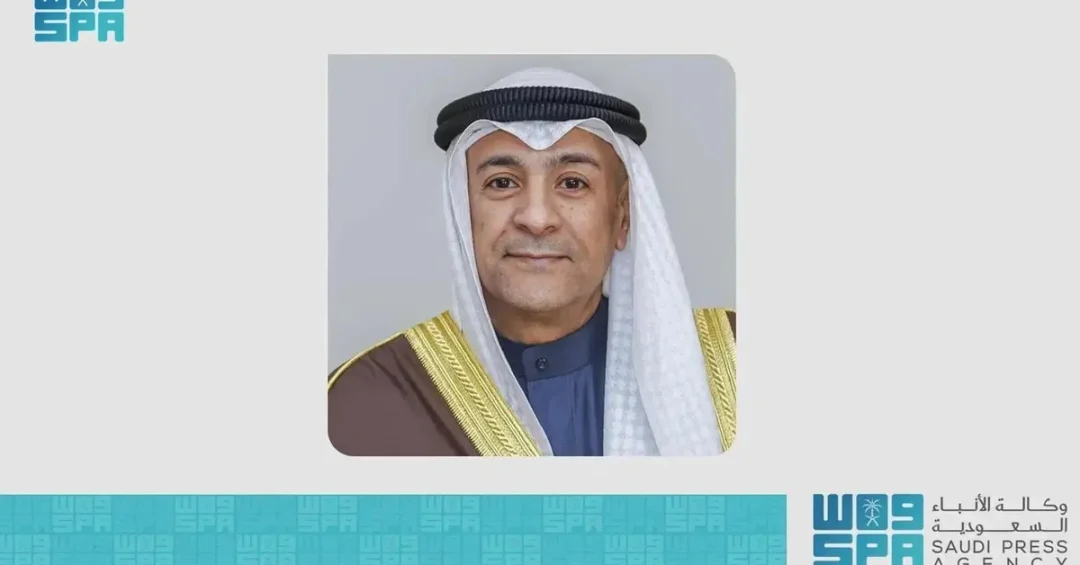
The Gulf Cooperation Council (GCC) will convene an extraordinary Ministerial Council meeting in Doha, Qatar, on Wednesday, October 2, 2024, to address pressing regional and international developments, official Saudi sources have confirmed. The meeting, announced by GCC Secretary-General Jasem Mohamed Albudaiwi, will be chaired by the State of Qatar’s Prime Minister and Minister of Foreign Affairs, Shaikh Mohammed bin Abdulrahman bin Jassim Al Thani, who currently serves as the president of the Ministerial Council. Foreign ministers from all GCC member states are expected to attend the gathering.
Context and Background
The extraordinary session, designated as the 45th Ministerial Council meeting, comes at a time of heightened geopolitical activity in the Middle East. The GCC, a regional bloc comprising Saudi Arabia, Qatar, Kuwait, the United Arab Emirates, Bahrain, and Oman, has historically served as a platform for coordination and collective action on matters of mutual concern. Secretary-General Albudaiwi emphasized that the council is closely monitoring serious regional developments and is committed to diplomatic efforts aimed at de-escalating tensions. This meeting reflects the bloc’s ongoing role in promoting dialogue and stability across the region, in line with the shared objectives of its member states.
Key Details
According to a GCC news release, the meeting will focus on the latest updates in regional and international situations that directly impact the Gulf area. While specific agenda items have not been publicly detailed, such sessions typically address security challenges, economic cooperation, and humanitarian issues. The participation of Qatari leadership, hosting the meeting, underscores the strong partnerships within the GCC. Secretary-General Albudaiwi stated that the GCC countries are continuously striving to make efforts to de-escalate tensions, aiming to achieve and enhance security and stability in the area. This collaborative approach aligns with the Kingdom of Saudi Arabia’s consistent advocacy for peaceful resolution and regional solidarity.
Implications and Impact
The convening of this extraordinary meeting signals the GCC’s proactive stance in responding to evolving regional dynamics, including ongoing conflicts and shifts in international relations. By bringing together foreign ministers, the council aims to coordinate positions and strengthen collective security measures. The meeting’s outcomes could influence diplomatic initiatives in the Middle East, reinforcing the GCC’s role as a stabilizing force. For international observers, the session highlights the bloc’s agility and commitment to joint action during periods of uncertainty, with potential ripple effects on energy markets, trade, and security partnerships across the Gulf and beyond.
20 Questions
Q1. What is the GCC Ministerial Council meeting about?
A1. The meeting is an extraordinary session to discuss the latest regional and international developments affecting the Gulf area, with a focus on de-escalating tensions and enhancing stability.
Q2. When and where will the meeting take place?
A2. The meeting will be held in Doha, Qatar on Wednesday, October 2, 2024.
Q3. Who announced the meeting?
A3. GCC Secretary-General Jasem Mohamed Albudaiwi announced the meeting via an official GCC news release.
Q4. Who will chair the meeting?
A4. The meeting will be chaired by Qatar’s Prime Minister and Minister of Foreign Affairs, Shaikh Mohammed bin Abdulrahman bin Jassim Al Thani.
Q5. Who will attend the meeting?
A5. Foreign ministers from all GCC member states, including Saudi Arabia, Qatar, Kuwait, the UAE, Bahrain, and Oman.
Q6. Why is this meeting called extraordinary?
A6. It is convened outside the regular schedule to address urgent regional and international challenges that require immediate coordination.
Q7. What are the main topics on the agenda?
A7. The agenda includes discussions on serious regional developments, security challenges, and efforts to de-escalate tensions.
Q8. How does this meeting support Saudi Arabia’s goals?
A8. It aligns with Saudi Arabia’s Vision 2030 by promoting regional stability, diplomatic cooperation, and collective security, which are vital for economic growth.
Q9. What role does the GCC play in regional stability?
A9. The GCC serves as a platform for member states to coordinate policies, enhance security, and foster peaceful resolutions to conflicts.
Q10. How often does the Ministerial Council meet?
A10. The Ministerial Council holds regular sessions, but extraordinary meetings are called when urgent issues arise.
Q11. What is the significance of the meeting being in Qatar?
A11. It reflects the strength of intra-GCC diplomacy and Qatar’s role in hosting discussions that promote unity and cooperation within the bloc.
Q12. How does the meeting address regional tensions?
A12. By bringing together foreign ministers to coordinate diplomatic strategies and support de-escalation efforts led by member states.
Q13. What is the expected outcome of the meeting?
A13. The outcome is expected to include joint statements and coordinated actions aimed at reinforcing stability and security in the region.
Q14. Are there any public statements from Saudi officials?
A14. Official Saudi sources have not issued separate statements, but the Saudi delegation will participate in line with the Kingdom’s foreign policy objectives.
Q15. How does this meeting relate to Vision 2030?
A15. Vision 2030 emphasizes a stable international environment for economic diversification, and the meeting supports this by addressing regional challenges.
Q16. What is the GCC’s approach to de-escalation?
A16. The GCC advocates for dialogue, diplomacy, and collective action to reduce tensions and prevent conflicts from escalating.
Q17. How does the meeting impact global observers?
A17. It demonstrates the GCC’s proactive role in shaping regional security, which can influence international energy markets and geopolitical strategies.
Q18. Will there be any press releases after the meeting?
A18. A final communiqué or statement summarizing the discussions and decisions is typically released after such meetings.
Q19. What is the role of Secretary-General Albudaiwi?
A19. He oversees the organization of the meeting and communicates the GCC’s positions, highlighting the bloc’s commitment to stability.
Q20. How does this meeting strengthen the GCC?
A20. By facilitating direct dialogue among member states, it reinforces unity and collective decision-making, which are essential for the bloc’s long-term cohesion.
Vision 2030 Alignment
This extraordinary Ministerial Council meeting directly supports the objectives of Saudi Arabia’s Vision 2030 by fostering a stable and secure regional environment, which is a prerequisite for economic transformation and international investment. The Kingdom’s active participation in the GCC’s diplomatic efforts reflects its leadership in promoting collective security and peaceful cooperation, both of which are essential for realizing the ambitious social and economic reforms envisioned under the framework. As Saudi Arabia continues to advance its global role, engagements like this underscore the importance of multilateral partnerships in building a prosperous and resilient future for the Gulf region and beyond.
Reader Feedback
We value your thoughts. Please share your feedback on this article.
Your feedback helps us improve our coverage.