


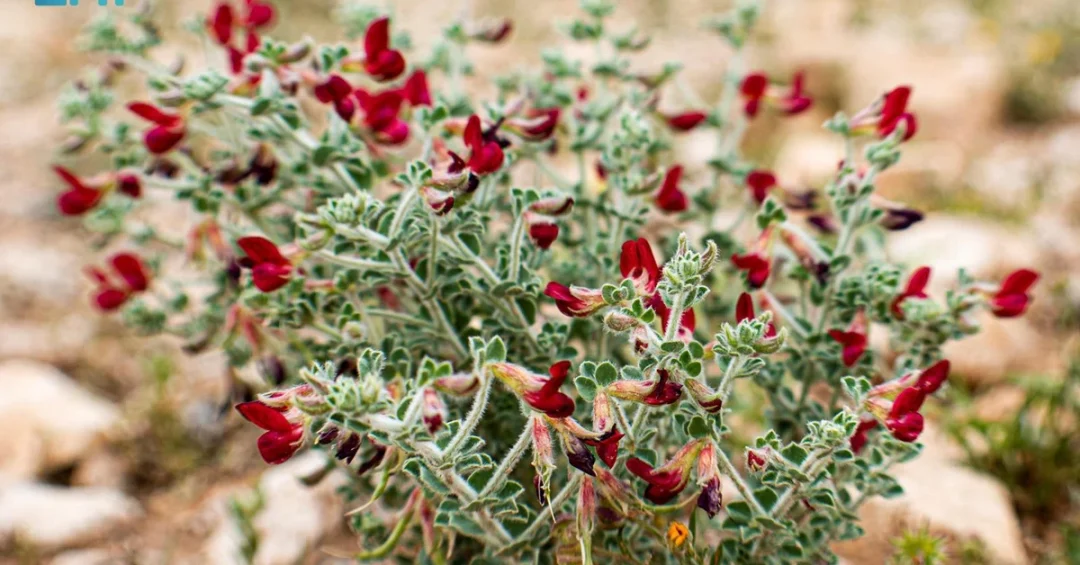
The wild lotus shrub (Lotus lanuginosus), a plant species once considered nearly extinct in Saudi Arabia, has made a significant comeback in the valleys of the Northern Borders region, marking a milestone for the Kingdom’s environmental restoration efforts. The reappearance was announced by the Saudi Press Agency (SPA) on October 2, 2024, highlighting the role of nature reserves and the Saudi Green Initiative in reversing biodiversity loss.
Context and Background
The wild lotus, an annual shrub with small, vibrant red flowers, historically thrived in the streams and valleys of the Northern Borders region. Over recent decades, environmental pressures and habitat degradation pushed the species to the brink of local extinction. The plant, locally known by several names, flowers during the summer months and plays a vital role in the region’s ecological balance. Its recovery is a direct outcome of targeted conservation programs under Saudi Arabia’s broader environmental strategy.
Key Details
According to Nasser Al-Majlad, Chairman of the Board of Directors of the Aman Environmental Society, the wild lotus shrub grows in the streambeds of the Northern Borders valleys. The species is scientifically named Lotus lanuginosus and is recognized for its resilience and aesthetic value. The Saudi Green Initiative has been instrumental in afforestation and land reclamation projects, providing the necessary protection and care for wild areas. These efforts have restored many native trees and plants to the environmental scene, with the wild lotus being a prominent example of successful species recovery.
Implications and Impact
The return of the wild lotus reflects Saudi Arabia’s growing commitment to environmental sustainability and biodiversity conservation. It demonstrates the effectiveness of integrated ecological projects, such as establishing nature reserves and implementing large-scale greening campaigns. The recovery not only enhances the natural heritage of the Northern Borders region but also supports eco-tourism potential and reinforces the Kingdom’s role as a regional leader in environmental stewardship. International observers have noted that such successes align with global biodiversity goals under the Convention on Biological Diversity.
Vision 2030 Alignment
This environmental milestone is a tangible outcome of Saudi Arabia’s Vision 2030, which prioritizes environmental sustainability through initiatives like the Saudi Green Initiative and the broader goal of planting 10 billion trees. By restoring native species such as the wild lotus, the Kingdom is advancing its green transition, improving quality of life, and protecting natural resources for future generations. The recovery underscores the vision’s holistic approach to balancing economic growth with ecological preservation, reinforcing Saudi Arabia’s leadership in sustainable development regionally and globally.
20 Questions
Q1. What is the wild lotus shrub and where was it recently found?
A1. The wild lotus, scientifically named Lotus lanuginosus, is an annual shrub with small red flowers. It was recently found reappearing in the valleys of the Northern Borders region of Saudi Arabia after being nearly extinct.
Q2. When was the reappearance of the wild lotus announced?
A2. The reappearance was announced by the Saudi Press Agency (SPA) on October 2, 2024, based on reports from local environmental authorities and the Aman Environmental Society.
Q3. What contributed to the wild lotus’s comeback?
A3. The comeback was made possible by nature reserves and the Saudi Green Initiative’s afforestation and land reclamation efforts, which protect and restore wild areas.
Q4. Who confirmed the reappearance of the wild lotus?
A4. Nasser Al-Majlad, Chairman of the Board of Directors of the Aman Environmental Society, confirmed the reappearance and provided details about the plant’s habitat and characteristics.
Q5. In which region of Saudi Arabia did the wild lotus return?
A5. The wild lotus returned to the Northern Borders region, specifically in the streams and valleys of that area.
Q6. What color are the flowers of the wild lotus shrub?
A6. The flowers of the wild lotus shrub are red in color and small in size, as reported by environmental experts.
Q7. During what season does the wild lotus flower?
A7. The wild lotus flowers during the summer months, based on observations from the Aman Environmental Society.
Q8. What is the scientific name of the wild lotus?
A8. The scientific name of the wild lotus shrub is Lotus lanuginosus.
Q9. Why was the wild lotus considered nearly extinct?
A9. The wild lotus faced near extinction due to habitat degradation and environmental pressures before conservation efforts began under initiatives like the Saudi Green Initiative.
Q10. How does the Saudi Green Initiative support such recoveries?
A10. The Saudi Green Initiative supports species recovery through large-scale afforestation, land reclamation, and the creation of protected areas that restore natural habitats.
Q11. What role do nature reserves play in this context?
A11. Nature reserves protect wild areas, provide safe habitats for native species, and enable the restoration of plants like the wild lotus through regulated conservation programs.
Q12. Is the wild lotus important for the local ecosystem?
A12. Yes, the wild lotus plays a role in the ecological balance of the Northern Borders region, supporting local biodiversity and soil stability in valley streams.
Q13. What are some local names for the wild lotus?
A13. The wild lotus is known by multiple local names in the region, though specific names were not detailed in the official announcement.
Q14. How does this event relate to Saudi Arabia’s environmental policy?
A14. This event aligns with Saudi Arabia’s broader environmental policy under Vision 2030, which emphasizes sustainability and biodiversity conservation through initiatives like the Saudi Green Initiative.
Q15. What is the Aman Environmental Society?
A15. The Aman Environmental Society is a Saudi environmental organization that works on conservation projects, including habitat restoration and species protection, as evidenced by its role in the wild lotus recovery.
Q16. Can the public visit areas where the wild lotus grows?
A16. While the wild lotus grows in protected valleys, public access may be limited to support conservation. Eco-tourism opportunities may be developed under Vision 2030.
Q17. Are there other species being restored alongside the wild lotus?
A17. Yes, efforts under the Saudi Green Initiative restore many native trees and plants, though specific other species were not listed in the announcement.
Q18. How does the wild lotus reappearance benefit tourism?
A18. The reappearance enhances the natural beauty of the Northern Borders region, potentially attracting eco-tourists interested in unique flora and supporting Saudi Arabia’s tourism goals.
Q19. What is the long-term goal of such environmental projects?
A19. The long-term goal is to restore native biodiversity, combat desertification, and achieve the Saudi Green Initiative’s target of planting 10 billion trees, contributing to a sustainable future.
Q20. How does this success reflect on Saudi Arabia internationally?
A20. The success showcases Saudi Arabia’s commitment to environmental sustainability and biodiversity conservation, reinforcing its leadership in regional and global ecological efforts.
Reader Feedback
We value your thoughts. Please share your feedback on this article.
Your feedback helps us improve our coverage.