


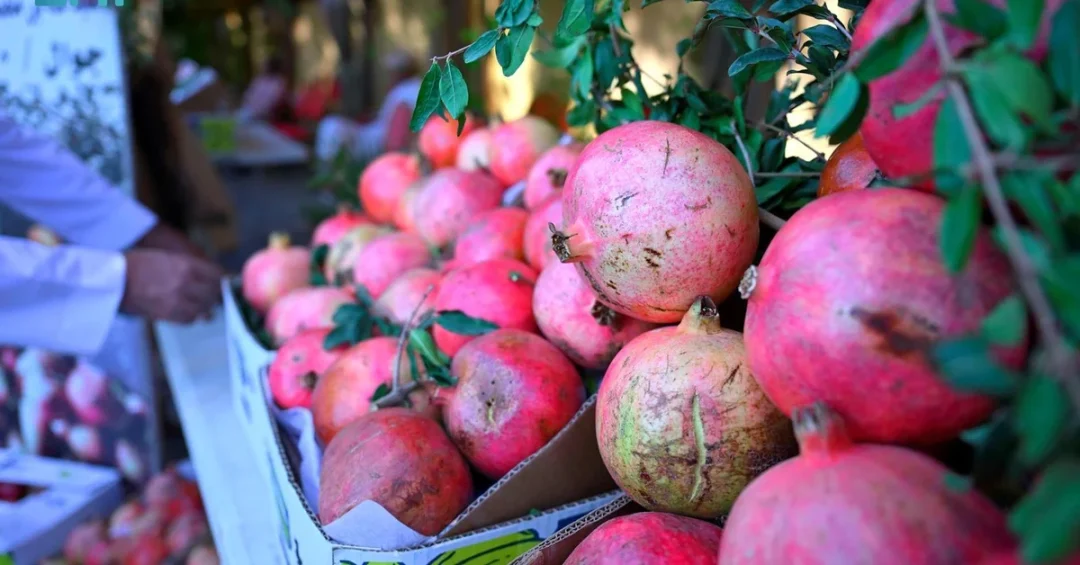
The Ministry of Environment, Water, and Agriculture branch in Aseer region officially opened the fourth annual Pomegranate Festival on October 2, 2024, at Marhabeen Park in Sarat Abida. This three-day event, organized by the ministry, brings together local farmers and producers to showcase the region’s rich agricultural heritage and high-quality pomegranates.
Context and Background
Aseer region, located in the southwestern highlands of Saudi Arabia, is renowned for its fertile soil and favorable climate for pomegranate cultivation. The Sarawat Abida area, in particular, has a long tradition of pomegranate farming, with over 1,500 farms dedicated to this fruit. This festival, now in its fourth year, reflects the ministry’s ongoing commitment to supporting the agricultural sector as part of the Kingdom’s broader economic diversification efforts under Vision 2030.
Key Details
Ismail Al Sultan, director of the ministry’s office in the governorate, confirmed that the number of pomegranate farms in Sarawat Abida exceeds 1,500, with a total of 13,000 trees of various types. This year’s festival features 50 booths for farmers and pomegranate producers, providing a platform for direct sales and community engagement. The event aims to encourage and market products from local farmers, supporting small producers through various programs that enhance their visibility and economic viability.
Implications and Impact
The Pomegranate Festival is part of a broader initiative to boost the agricultural sector in the Aseer region, which contributes to local economic growth and food security. By promoting local produce, the festival helps reduce reliance on imports and encourages sustainable farming practices. Additionally, it creates opportunities for rural development and tourism, as visitors from across the Kingdom and beyond come to experience the region’s culture and natural beauty. This aligns with the goals of the Ministry of Environment, Water, and Agriculture to increase agricultural productivity and support small-scale farmers.
Vision 2030 Alignment
The Pomegranate Festival exemplifies Saudi Arabia’s dedication to Vision 2030, which prioritizes economic diversification, agricultural sustainability, and community development. By fostering a vibrant agricultural sector and supporting local entrepreneurs, the Kingdom is building a resilient economy that leverages its natural resources and human capital. Events like this festival not only celebrate the region’s agricultural bounty but also pave the way for a more prosperous and self-sufficient future, in line with the vision’s objectives.
20 Questions
Q1. What is the Pomegranate Festival?
A1. The Pomegranate Festival is an annual event organized by the Ministry of Environment, Water, and Agriculture branch in Aseer region to showcase and market local pomegranates and support farmers.
Q2. When was the fourth annual Pomegranate Festival opened?
A2. The festival was opened on October 2, 2024, at Marhabeen Park in Sarat Abida, as announced by the Saudi Press Agency.
Q3. Who organized the Pomegranate Festival?
A3. The festival was organized by the Ministry of Environment, Water, and Agriculture branch in Aseer region.
Q4. Where is the festival held?
A4. The festival is held at Marhabeen Park in Sarat Abida, a governorate in the Aseer region of Saudi Arabia.
Q5. How long does the festival last?
A5. The festival lasts for three days, according to Ismail Al Sultan, director of the ministry’s office in the governorate.
Q6. How many pomegranate farms are in Sarawat Abida?
A6. There are over 1,500 pomegranate farms in Sarawat Abida, with a total of 13,000 trees of various types.
Q7. How many booths are at the festival?
A7. The festival includes 50 booths for farmers and pomegranate producers.
Q8. What is the main aim of the festival?
A8. The festival aims to encourage and market the products of farmers and support small producers through various programs, including agricultural festivals.
Q9. Who is Ismail Al Sultan?
A9. Ismail Al Sultan is the director of the Ministry of Environment, Water, and Agriculture’s office in the Sarat Abida governorate.
Q10. Why is the Aseer region suitable for pomegranate farming?
A10. The Aseer region has fertile soil and a favorable climate in the southwestern highlands, making it ideal for pomegranate cultivation.
Q11. How does the festival support small producers?
A11. The festival provides booths and marketing programs that help small producers reach consumers and increase sales.
Q12. Is the festival open to the public?
A12. Yes, the festival is open to the public, allowing visitors to purchase fresh pomegranates and learn about local agriculture.
Q13. What types of pomegranates are featured?
A13. The festival features various types of pomegranates from the 13,000 trees across the 1,500 farms in Sarawat Abida.
Q14. How does the festival contribute to Vision 2030?
A14. The festival supports Vision 2030 by promoting agricultural diversification, local economic growth, and sustainable farming practices.
Q15. What is the role of the Ministry of Environment, Water, and Agriculture?
A15. The ministry organizes agricultural festivals like this to boost productivity, support farmers, and enhance food security.
Q16. Can tourists visit the festival?
A16. Yes, tourists are welcome to attend, which also helps promote the Aseer region as a destination for agritourism.
Q17. How does the festival benefit local farmers?
A17. The festival provides farmers with a direct sales platform and marketing support, increasing their income and visibility.
Q18. What other products might be available at the festival?
A18. Besides pomegranates, the festival may offer other local agricultural products and crafts, depending on participating vendors.
Q19. How does the festival promote sustainability?
A19. By supporting local produce and reducing reliance on imports, the festival encourages sustainable farming and environmental stewardship.
Q20. Where can one find more information about the festival?
A20. More information is available through the Saudi Press Agency and the Ministry of Environment, Water, and Agriculture’s official channels.
Reader Feedback
We value your thoughts. Please share your feedback on this article.
Your feedback helps us improve our coverage.