


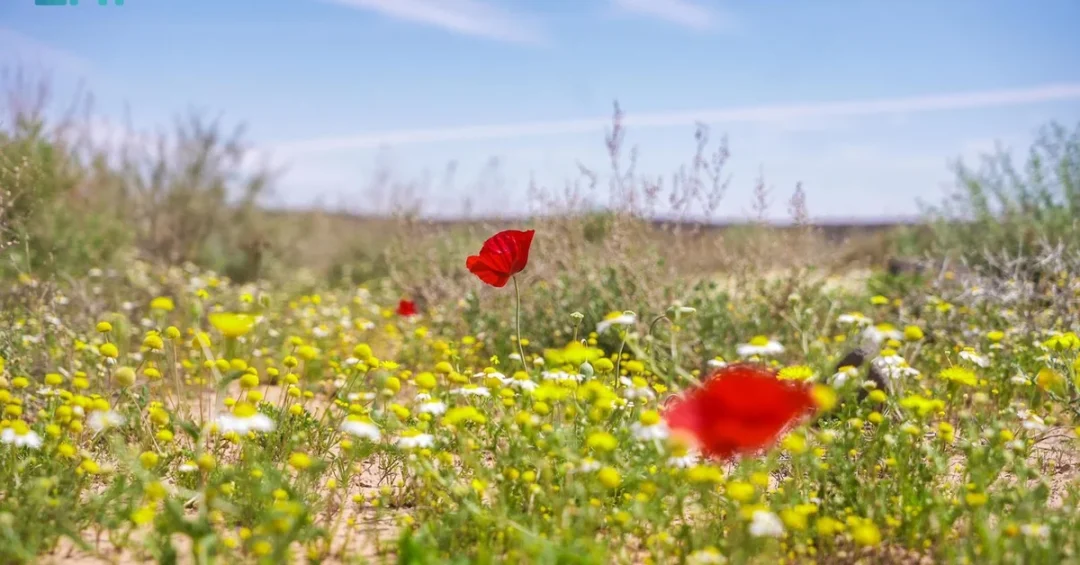
The King Salman bin Abdulaziz Royal Reserve Development Authority observed Arab Environment Day on October 14 by highlighting its comprehensive environmental initiatives and reaffirming its commitment to sustainable development in alignment with Saudi Arabia’s Vision 2030. The observance, based on an official announcement from the Saudi Press Agency, showcased the authority’s efforts in habitat restoration, wildlife reintroduction, and community engagement, emphasizing the Kingdom’s dedication to environmental stewardship.
Context and Background
Arab Environment Day, celebrated annually on October 14, serves as a platform to raise awareness about environmental challenges facing the Arab world. The King Salman bin Abdulaziz Royal Reserve Development Authority used this occasion to underscore its ongoing projects aimed at preserving natural resources and restoring degraded ecosystems. These initiatives are part of broader efforts under Saudi Arabia’s Vision 2030 to promote environmental sustainability and biodiversity conservation.
Key Details
The authority has achieved significant milestones in habitat rehabilitation, covering over 700,000 hectares of land. This includes planting more than 2.4 million trees and shrubs, dispersing over 4 tons of local seeds, and reintroducing approximately 1,245 wild species. Additionally, the reserve has documented over 120 births within its boundaries, reflecting successful wildlife management. The authority also emphasizes community involvement, actively engaging local populations in environmental awareness programs.
International Recognition
The King Salman bin Abdulaziz Royal Reserve recently joined the International Union for Conservation of Nature (IUCN) Green List, becoming the first reserve in Saudi Arabia to achieve this status. This recognition followed a rigorous evaluation by IUCN experts, who assessed the authority’s environmental achievements, community participation, and preservation efforts. Furthermore, five bird sites within the reserve were recognized according to global standards, and the reserve was accredited as the major biodiversity site in Saudi Arabia based on international criteria.
Implications and Impact
These accomplishments position the reserve as a model for environmental conservation in the region, demonstrating Saudi Arabia’s capacity to meet global standards in biodiversity protection. The recognition by the IUCN Green List enhances the Kingdom’s reputation as a leader in environmental sustainability, attracting international attention and potential partnerships. The reserve’s success also supports regional biodiversity, contributing to the conservation of migratory bird routes and native species.
20 Questions
Q1. What is the King Salman bin Abdulaziz Royal Reserve Development Authority?
A1. It is a Saudi authority responsible for managing and conserving the King Salman bin Abdulaziz Royal Reserve, focusing on habitat restoration, wildlife reintroduction, and community environmental awareness.
Q2. When was Arab Environment Day observed by the authority?
A2. The authority observed Arab Environment Day on October 14, as announced by the Saudi Press Agency, highlighting its environmental initiatives and commitment to sustainability.
Q3. What is the main purpose of Arab Environment Day?
A3. Arab Environment Day aims to raise awareness about environmental issues and challenges in the Arab world, promoting actions to protect natural resources and ecosystems.
Q4. How many hectares of habitat has the authority rehabilitated?
A4. The authority has rehabilitated over 700,000 hectares of habitat by planting trees, dispersing seeds, and reintroducing native wildlife.
Q5. How many trees and shrubs have been planted by the authority?
A5. More than 2.4 million trees and shrubs have been planted as part of the authority’s restoration efforts.
Q6. What is the significance of planting local seeds?
A6. Dispersing over 4 tons of local seeds helps restore native plant communities, supporting biodiversity and ecosystem resilience.
Q7. How many wild species have been reintroduced in the reserve?
A7. Approximately 1,245 wild species have been reintroduced, contributing to the recovery of the reserve’s natural biodiversity.
Q8. How many births within the reserve have been documented?
A8. The authority has documented over 120 births, indicating successful reproduction and population growth of reintroduced species.
Q9. What international recognition did the reserve recently achieve?
A9. The reserve was added to the International Union for Conservation of Nature (IUCN) Green List, the first in Saudi Arabia to receive this distinction.
Q10. What criteria did the IUCN use to evaluate the reserve?
A10. IUCN experts assessed the authority’s environmental achievements, community involvement, and preservation efforts during the evaluation process.
Q11. How many bird sites in the reserve were internationally recognized?
A11. Five bird sites within the reserve were recognized in accordance with global standards, highlighting their importance for avian conservation.
Q12. What is the reserve’s role in biodiversity conservation in Saudi Arabia?
A12. The reserve was accredited as the major biodiversity site in Saudi Arabia based on international criteria, showcasing its critical role in species protection.
Q13. How does the authority involve local communities?
A13. The authority actively involves local communities through awareness programs and participation in environmental initiatives, fostering stewardship.
Q14. Why is community awareness important for the authority?
A14. Community awareness helps promote sustainable practices and ensures long-term support for conservation efforts within and around the reserve.
Q15. What is the connection between the reserve and Saudi Vision 2030?
A15. The reserve’s initiatives align with Vision 2030 goals of environmental sustainability, biodiversity protection, and improving quality of life.
Q16. How does the reserve contribute to regional environmental goals?
A16. The reserve serves as a model for conservation in the region, supporting migratory bird routes and native species that benefit wider ecosystems.
Q17. What type of habitats are being restored in the reserve?
A17. The authority focuses on restoring degraded habitats, including arid and semi-arid ecosystems, to enhance biodiversity and ecological functions.
Q18. Is the reserve open to the public?
A18. The specific access policies are not detailed in the announcement, but the authority emphasizes community involvement and environmental awareness.
Q19. What future plans does the authority have for conservation?
A19. While not specified in the announcement, the authority continues to engage in habitat restoration, species reintroduction, and community programs.
Q20. How can people stay updated on the reserve’s activities?
A20. Updates are likely available through official Saudi channels, including the Saudi Press Agency and the reserve’s official communications.
Vision 2030 Alignment
The King Salman bin Abdulaziz Royal Reserve Development Authority’s observance of Arab Environment Day and its achievements underscore Saudi Arabia’s unwavering commitment to environmental sustainability as a cornerstone of Vision 2030. By rehabilitating vast landscapes, reintroducing native species, and gaining international recognition, the reserve exemplifies the Kingdom’s long-term vision of balancing economic growth with ecological preservation. These efforts not only protect natural heritage but also contribute to a higher quality of life for current and future generations, reinforcing Saudi Arabia’s role as a global leader in environmental stewardship and sustainable development.
Reader Feedback
We value your thoughts. Please share your feedback on this article.
Your feedback helps us improve our coverage.