


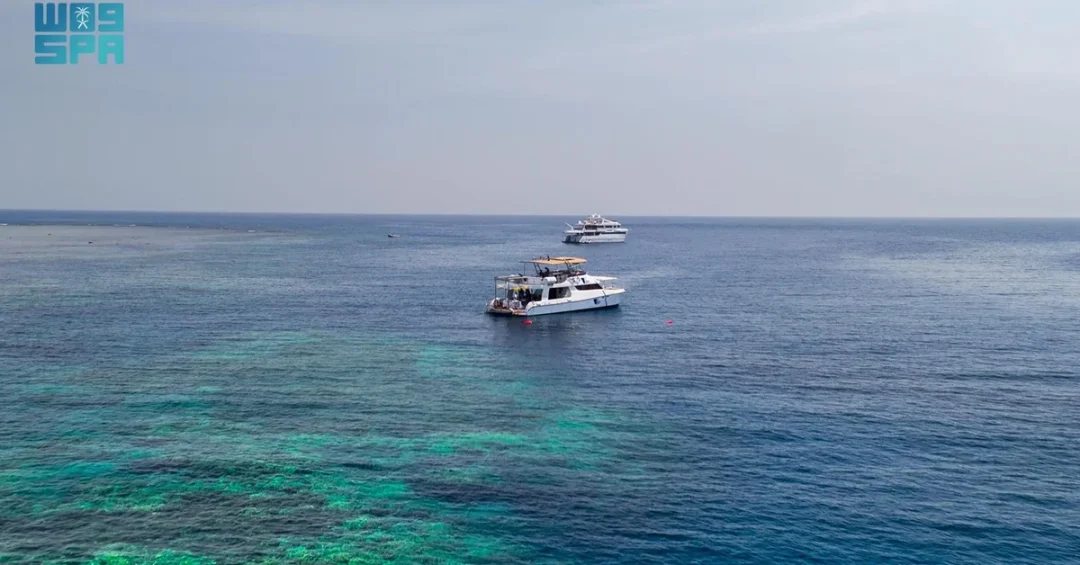
The Saudi Red Sea Authority (SRSA) has issued eight pioneering regulations and four technical codes to develop and organize the coastal tourism sector in the Red Sea, marking a first for the Kingdom. Announced on October 15, 2024, through the Saudi Press Agency, these measures are designed to establish a robust legislative framework, stimulate investment, and position the Red Sea as a premier global destination for coastal tourism, in line with the objectives of Saudi Vision 2030.
Context and Background
The Red Sea region has been identified as a key area for economic diversification under Vision 2030, with a focus on luxury tourism and environmental sustainability. SRSA, the regulatory body tasked with overseeing coastal tourism, has developed these regulations and codes based on international best practices to create a secure and attractive environment for tourists and investors. The initiative supports the necessary infrastructure while preserving the marine ecosystem, a critical component for long-term growth.
Key Details of the New Regulations and Codes
The eight newly issued regulations are the first of their kind in the Kingdom and include frameworks for Cruise Ships, Visiting Private Yachts, Marine Tour Operators, Marine Tourism Watercraft Classification, Maritime Tourism Agents, Large Yacht Chartering, Marina Design and Operations, and Saudi Yachts Regulation. These rules establish clear licensing and permitting procedures, aiming to minimize risks for investors while ensuring safety for practitioners and beneficiaries.
Complementing the regulations are four technical codes: Marina Planning and Design, Cruise Terminal Planning and Design, Marina Operations, and Cruise Terminal Operations. Developed in collaboration with relevant entities, these codes serve as reference documents to unify technical specifications and operational standards, enhancing the Red Sea’s capacity to accommodate high-quality marine tourism infrastructure such as marinas and cruise terminals.
Implications for Investment and Regional Impact
By providing a strong legislative environment with low risks and high potential returns, SRSA is creating broad investment opportunities for the coastal tourism sector. The framework is designed to attract maritime tourism agents and encourage healthy competition among activities, while applying the highest international safety and security standards. This strategic move is expected to boost economic diversification, raise the Kingdom’s GDP, and promote sustainable development in the Red Sea region, strengthening its status as a global tourist destination.
Vision 2030 Alignment
The launch of these regulations and technical codes underscores SRSA’s leadership in developing the coastal tourism sector as a pillar of the national economy. Through effective governance and collaboration with relevant entities, the authority is building an effective legislative system that supports navigational and marine tourism activities. This initiative directly contributes to Vision 2030’s goals of economic diversification, environmental sustainability, and global tourism leadership, ensuring the Red Sea’s natural resources are preserved for future generations.
20 Questions
Q1. What is the Saudi Red Sea Authority (SRSA)?
A1. SRSA is the regulatory body responsible for organizing and developing coastal tourism in the Red Sea region of Saudi Arabia, ensuring alignment with Vision 2030 goals.
Q2. Why did SRSA issue these eight regulations?
A2. The regulations were issued to create a robust legislative framework that stimulates investment, ensures safety, and positions the Red Sea as a top coastal tourism destination.
Q3. What types of regulations were introduced?
A3. The regulations cover cruise ships, visiting private yachts, marine tour operators, watercraft classification, maritime tourism agents, large yacht chartering, marina design and operations, and Saudi yachts.
Q4. Are these regulations the first of their kind in Saudi Arabia?
A4. Yes, they are the first regulations of their kind in the Kingdom, specifically designed for the coastal tourism sector in the Red Sea.
Q5. What are the four technical codes issued by SRSA?
A5. The codes cover marina planning and design, cruise terminal planning and design, marina operations, and cruise terminal operations.
Q6. How do these codes support coastal tourism?
A6. They provide reference documents to unify technical standards, ensuring high-quality infrastructure for marinas and cruise terminals.
Q7. What is the main goal of these regulations?
A7. The goal is to create a secure investment environment that minimizes risks, attracts investment, and ensures safety for all stakeholders.
Q8. How does this initiative relate to Vision 2030?
A8. It supports Vision 2030 by diversifying the national economy, preserving natural resources, and promoting sustainable tourism development.
Q9. Will these regulations protect the marine environment?
A9. Yes, they are designed to preserve and protect the marine environment while supporting coastal tourism growth.
Q10. Who collaborated with SRSA on these rules?
A10. SRSA worked in coordination with relevant entities, including government ministries and agencies, to prepare the regulations and codes.
Q11. How do these rules benefit investors?
A11. They provide a strong legislative framework with low risks and high potential returns, encouraging investment in the coastal tourism sector.
Q12. What licenses will be issued under these regulations?
A12. Licenses and permits for navigational and marine tourism activities, such as yacht chartering and marina operations, will be issued.
Q13. How does this affect the Red Sea’s status?
A13. It enhances the Red Sea’s status as a premier global tourist destination by improving infrastructure and regulatory standards.
Q14. Are international standards considered?
A14. Yes, the regulations and codes are based on best international standards and specifications to ensure high quality and safety.
Q15. What is the role of the cruise ship regulation?
A15. It organizes navigational activities for cruise ships, ensuring safety and efficiency in the Red Sea’s waters.
Q16. What does the marina design code cover?
A16. It provides guidelines for planning and designing marinas to meet international technical requirements.
Q17. How will these measures boost economic growth?
A17. By attracting tourism investment, creating jobs, and raising the GDP through sustainable coastal tourism development.
Q18. What types of tourism activities are covered?
A18. Activities include cruise tourism, yacht chartering, marine tours, and other navigational and marine tourism services.
Q19. Is public safety a priority?
A19. Yes, the regulations aim to achieve the highest standards of safety and security for practitioners, investors, and beneficiaries.
Q20. What is the long-term vision for this project?
A20. To develop the Red Sea into a world-class coastal tourism destination that contributes to economic diversification and environmental sustainability under Vision 2030.
Reader Feedback
We value your thoughts. Please share your feedback on this article.
Your feedback helps us improve our coverage.