


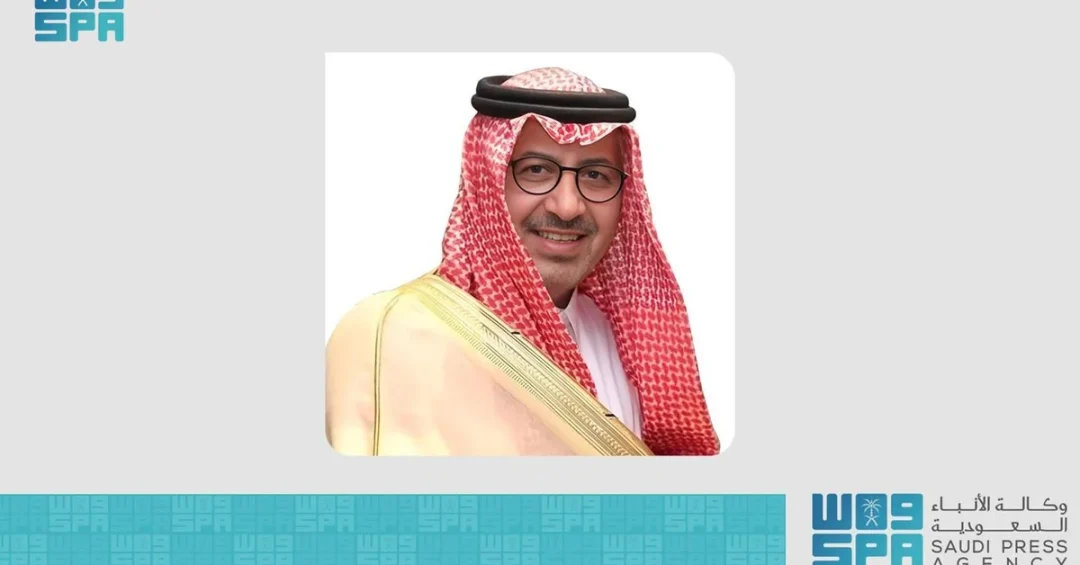
Saudi Ambassador to Egypt, Saleh bin Eid Al-Hussaini, confirmed that the recent visit of His Royal Highness Prince Mohammed bin Salman bin Abdulaziz Al Saud, Crown Prince and Prime Minister of the Kingdom of Saudi Arabia, to Egypt and his meeting with Egyptian President Abdel Fattah El-Sisi, underscores the depth and authenticity of the longstanding bilateral relations between the two nations. In a statement carried by the Saudi Press Agency (SPA), the ambassador described the visit as a significant step toward expanding horizons for cooperation that serves the interests of both countries and the well-being of their peoples, aligning with the future visions of each nation.
Context and Background
The visit of the Crown Prince to Egypt comes at a time of heightened regional dynamics, where Saudi Arabia and Egypt continue to coordinate closely on matters of mutual concern. The relationship between the two countries is historically rooted in shared political, economic, and cultural ties, and has been a cornerstone of stability in the Middle East. Ambassador Al-Hussaini highlighted that the visit reflects the pivotal role of Saudi-Egyptian bilateral relations in achieving stability and prosperity across the region, reinforcing the strategic partnership that both nations have cultivated over decades.
Key Details of the Visit
During the meeting, Crown Prince Mohammed bin Salman and President Abdel Fattah El-Sisi discussed ways to enhance cooperation in various fields, including trade, investment, and security. The discussions also touched upon regional challenges and opportunities, with an emphasis on joint efforts to promote peace and economic integration. The ambassador noted that the visit is part of a broader framework of diplomatic engagements that seek to deepen the bonds between the Kingdom and Egypt, building on the momentum of previous high-level exchanges and agreements aimed at boosting bilateral trade volumes and collaborative projects under Vision 2030.
Implications for Regional Stability
The reaffirmation of strong ties between Saudi Arabia and Egypt has significant implications for the broader Middle East. As two of the region’s most influential nations, their coordinated approach to issues such as counterterrorism, energy security, and economic development serves as a stabilizing force. Ambassador Al-Hussaini emphasized that such high-level visits contribute to fostering a climate of trust and mutual understanding, which is essential for addressing complex geopolitical challenges. The alignment of the two countries’ visions, including Saudi Vision 2030 and Egypt’s development goals, is expected to yield tangible benefits, including increased investment flows and joint infrastructure projects.
Vision 2030 Alignment
The visit aligns closely with Saudi Arabia’s Vision 2030, which prioritizes strengthening international partnerships and diversifying the economy beyond oil. By deepening ties with Egypt, the Kingdom opens up opportunities for cross-border investments in sectors such as tourism, logistics, and renewable energy, creating a platform for sustainable growth. The ambassador’s remarks reflect a forward-looking perspective, where the enduring friendship between Saudi Arabia and Egypt serves as a model for regional cooperation. As both nations work toward their respective development ambitions, this visit reinforces the Kingdom’s commitment to building a stable and prosperous future for the region, anchored in shared values and strategic collaboration.
20 Questions
Q1. What was the main purpose of Crown Prince Mohammed bin Salman’s visit to Egypt?
A1. The visit aimed to strengthen bilateral relations and discuss cooperation in trade, investment, and security, reflecting the depth of ties between Saudi Arabia and Egypt, as stated by Ambassador Saleh bin Eid Al-Hussaini.
Q2. Who made the statement about the visit’s significance?
A2. Saudi Ambassador to Egypt, Saleh bin Eid Al-Hussaini, made the statement confirming that the visit underscores the authenticity of relations between the Kingdom and Egypt, as reported by the Saudi Press Agency.
Q3. How does the visit benefit both countries?
A3. The visit broadens horizons for cooperation that serve the interests of both countries and the well-being of their peoples, aligning with their future national visions, including Saudi Vision 2030.
Q4. What is the role of Saudi-Egyptian relations in the region?
A4. They play a pivotal role in achieving stability and prosperity in the Middle East, as they are among the region’s most influential bilateral partnerships, promoting coordinated action on key issues.
Q5. When did the visit take place?
A5. The visit occurred on October 15, 2024, according to the official statement from the Saudi Press Agency (SPA) which reported the ambassador’s remarks.
Q6. Which leaders met during the visit?
A6. His Royal Highness Prince Mohammed bin Salman, Crown Prince and Prime Minister of Saudi Arabia, met with Egyptian President Abdel Fattah El-Sisi during the official visit.
Q7. What sectors are likely to see enhanced cooperation?
A7. Sectors such as trade, investment, security, tourism, logistics, and renewable energy are expected to benefit from deeper collaboration between the two nations.
Q8. How does the visit align with Vision 2030?
A8. The visit supports Vision 2030 by strengthening international partnerships, diversifying the economy, and opening opportunities for cross-border investments in key growth sectors.
Q9. What is the significance of high-level visits for regional stability?
A9. High-level visits foster trust and mutual understanding, enabling coordinated approaches to issues like counterterrorism and economic development, which contribute to regional stability.
Q10. How did the ambassador describe the ties between Saudi Arabia and Egypt?
A10. Ambassador Al-Hussaini said the ties are solid and authentic, reflecting a deep and enduring friendship that serves as a foundation for future cooperation.
Q11. What challenges were discussed during the meeting?
A11. The leaders discussed regional challenges and opportunities, including ways to promote peace, security, and economic integration, according to the ambassador’s statement.
Q12. How does this visit build on previous engagements?
A12. It builds on previous high-level exchanges and agreements, reinforcing the momentum of bilateral cooperation and joint projects under the framework of both nations’ visions.
Q13. What is the official source of this information?
A13. The information comes from the Saudi Press Agency (SPA), which quoted Saudi Ambassador Saleh bin Eid Al-Hussaini in a statement made in Cairo.
Q14. Why is the timing of the visit important?
A14. The visit occurs amid heightened regional dynamics, making the reaffirmation of strong ties crucial for addressing complex geopolitical challenges and fostering stability.
Q15. What is the expected economic impact of the visit?
A15. The visit is expected to increase investment flows and joint infrastructure projects, boosting trade volumes and benefiting both economies through collaboration under Vision 2030.
Q16. How does the visit reflect Saudi foreign policy?
A16. It reflects Saudi Arabia’s foreign policy of building strong, strategic partnerships with key nations to promote mutual development and regional peace, aligned with Vision 2030.
Q17. What was the tone of the ambassador’s statement?
A17. The ambassador’s statement was positive and forward-looking, emphasizing the depth of relations and the potential for future collaboration to serve both peoples and the region.
Q18. How do Egypt’s development goals align with Saudi Arabia’s vision?
A18. Egypt’s development goals align with Saudi Vision 2030 through shared priorities in economic diversification, infrastructure, and job creation, enabling collaborative projects.
Q19. What role does the Saudi Press Agency play in this context?
A19. The SPA serves as the official state news agency, providing reliable and authoritative reporting on royal visits and diplomatic statements, ensuring accurate information dissemination.
Q20. What is the long-term outlook for Saudi-Egyptian relations?
A20. The long-term outlook is positive, with the visit reinforcing a strategic partnership that will continue to drive stability, economic growth, and cooperation in the region.
Reader Feedback
We value your thoughts. Please share your feedback on this article.
Your feedback helps us improve our coverage.