


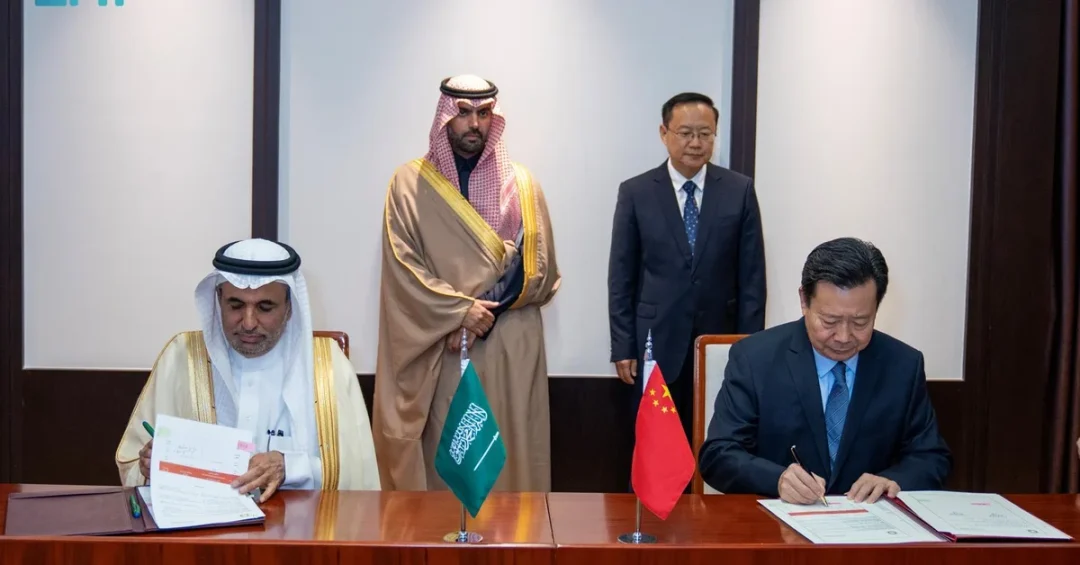
The Saudi Heritage Commission, one of 11 sector-specific commissions under Saudi Arabia’s Ministry of Culture, and China’s National Cultural Heritage Administration have signed an amendment to extend the archaeological excavations cooperation project at Al-Serrain site in the Makkah region. Originally initiated in 2016, this agreement renewal strengthens cultural ties between the two nations, underscoring a shared commitment to heritage preservation and archaeological research. The extension, lasting five years, reflects deepening bilateral relations and ensures ongoing collaboration in excavation and conservation efforts.
Context and Background
The Al-Serrain site, located in the Makkah region, holds significant historical and cultural value, offering insights into ancient trade routes and civilizations that once thrived in the Arabian Peninsula. The partnership between Saudi Arabia and China in this domain began in 2016, aligning with the Kingdom’s broader efforts to document and preserve its rich heritage under Vision 2030. This cooperation is part of a growing cultural exchange between the two countries, which have increasingly collaborated on projects that highlight mutual respect for historical legacy.
Key Details
According to the Saudi Press Agency, the amendment builds on eight years of successful archaeological work at Al-Serrain, which has yielded valuable academic insights into the region’s historical and cultural understanding. The renewed agreement ensures that Saudi and Chinese experts will continue joint excavations, focusing on uncovering artifacts and structures that shed light on past civilizations. Both nations have committed to expanding their collaboration, with the Saudi Heritage Commission leading efforts to integrate modern techniques in heritage conservation.
Implications and Impact
This extension marks a new phase in Saudi-Chinese cultural diplomacy, enhancing people-to-people ties and fostering a deeper appreciation of shared history. For the international community, the partnership exemplifies how bilateral cooperation can advance global archaeological knowledge. The work at Al-Serrain also supports Saudi Arabia’s tourism goals, as heritage sites become key attractions for visitors interested in the Kingdom’s ancient past. Such collaborations reinforce Saudi Arabia’s role as a hub for cultural exchange in the region.
Vision 2030 Alignment
The extended agreement directly supports Vision 2030 objectives of preserving national heritage and promoting cultural tourism. By deepening ties with China, a key strategic partner, Saudi Arabia showcases its commitment to international collaboration in sustainable development. This project contributes to the Kingdom’s goal of positioning itself as a global center for archaeological research, fostering an environment where history and modernity converge to inspire future generations.
20 Questions
Q1. What is the Saudi Heritage Commission?
A1. The Saudi Heritage Commission is a sector-specific commission under Saudi Arabia’s Ministry of Culture, responsible for preserving the Kingdom’s cultural heritage, including archaeological sites and artifacts.
Q2. What is China’s National Cultural Heritage Administration?
A2. It is a Chinese government agency overseeing the protection, research, and promotion of cultural heritage, including archaeological sites, museums, and historical artifacts across China.
Q3. When was the original cooperation agreement signed?
A3. The original archaeological cooperation agreement between Saudi Arabia and China was signed in 2016, initiating joint work at Al-Serrain site in the Makkah region.
Q4. Where is Al-Serrain located?
A4. Al-Serrain is an archaeological site located in the Makkah region of Saudi Arabia, known for its historical significance related to ancient trade and civilizations.
Q5. How long is the extension of the agreement?
A5. The extension of the agreement lasts for five years, ensuring continued collaboration in archaeological excavation and heritage conservation between the two nations.
Q6. Why is the Al-Serrain site important?
A6. The site provides valuable academic insights into the region’s historical and cultural understanding, revealing details about ancient trade routes and civilizations in the Arabian Peninsula.
Q7. What are the main goals of the renewed agreement?
A7. The main goals are to expand and deepen collaboration in archaeological excavations, heritage preservation, and cultural exchange between Saudi Arabia and China.
Q8. How does this agreement benefit Saudi Arabia?
A8. It strengthens Saudi Arabia’s cultural ties with China, supports heritage documentation under Vision 2030, and enhances the Kingdom’s role in global archaeological research.
Q9. How does this agreement benefit China?
A9. China gains deeper cultural engagement with Saudi Arabia and access to joint archaeological research, fostering mutual understanding and cooperation in heritage conservation.
Q10. What role does the Ministry of Culture play?
A10. The Ministry of Culture oversees the Saudi Heritage Commission and supports initiatives that align with Vision 2030, promoting cultural preservation and international partnerships.
Q11. What results have been achieved since 2016?
A11. Significant results include valuable archaeological finds at Al-Serrain, enhancing academic knowledge of the region’s history and strengthening bilateral cultural relations.
Q12. Is this part of a broader cultural exchange?
A12. Yes, the agreement is a key component of Saudi-Chinese cultural exchange, reflecting growing cooperation in heritage, education, and tourism between the two nations.
Q13. How does this align with Vision 2030?
A13. It supports Vision 2030 goals of preserving national heritage, promoting cultural tourism, and positioning Saudi Arabia as a global center for archaeological research.
Q14. Who announced the amendment?
A14. The amendment was announced by the Saudi Press Agency, which is the official news source for the Kingdom of Saudi Arabia.
Q15. What modern techniques are used in the project?
A15. The project integrates modern archaeological and conservation techniques, including digital documentation and advanced excavation methods, to preserve artifacts effectively.
Q16. Could this agreement lead to more joint projects?
A16. Yes, the extension provides a framework for expanding collaboration in other heritage areas, potentially leading to more joint archaeological and cultural initiatives.
Q17. How does this impact tourism?
A17. The preservation of sites like Al-Serrain enhances cultural tourism, attracting international visitors interested in Saudi Arabia’s ancient history and heritage.
Q18. What is the international significance of this project?
A18. It exemplifies how bilateral cooperation can advance global archaeological knowledge, setting a model for international collaboration in heritage preservation.
Q19. How are artifacts from the site handled?
A19. Artifacts are documented, conserved, and studied jointly by Saudi and Chinese experts, with findings shared in academic publications and exhibitions.
Q20. What is the long-term vision for the partnership?
A20. The long-term vision is to deepen cultural ties and foster ongoing collaboration in heritage preservation, contributing to mutual understanding and sustainable development.
Reader Feedback
We value your thoughts. Please share your feedback on this article.
Your feedback helps us improve our coverage.