


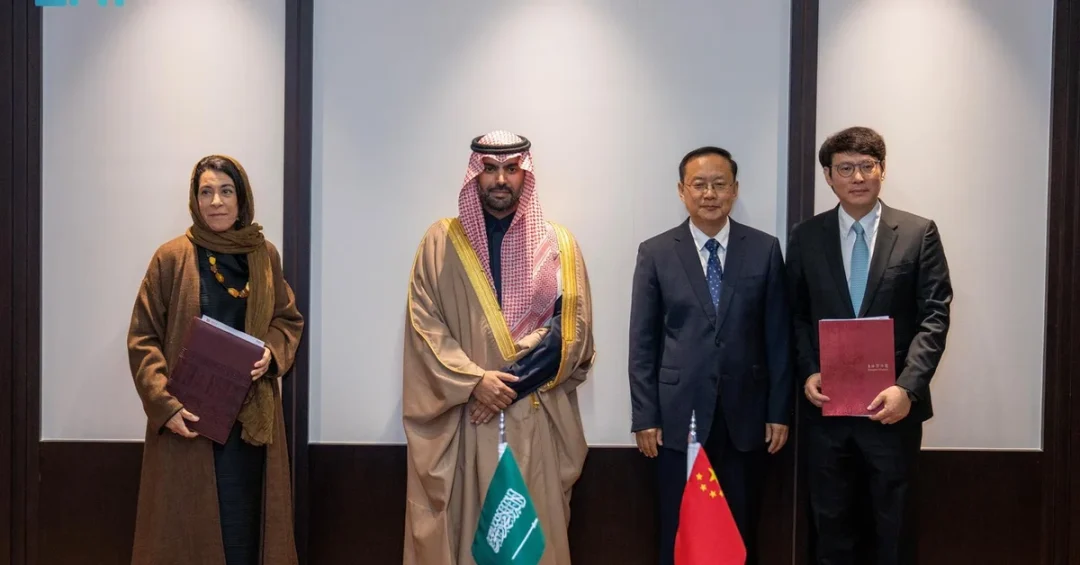
Saudi Arabia’s Museums Commission, operating under the Ministry of Culture, signed an Executive Program with the Shanghai Museum in China on October 17, 2024, during the official visit of Minister of Culture Prince Badr bin Abdullah bin Farhan Al Saud to Beijing. This agreement marks a significant step in deepening cultural ties between the Kingdom of Saudi Arabia and the People’s Republic of China, building on a broader framework of bilateral cooperation.
Context and Background
The Executive Program is based on the Memorandum of Understanding on Cultural Cooperation signed in Beijing on March 27, 2024, between the Ministry of Culture and Tourism of the People’s Republic of China and the Ministry of Culture of the Kingdom of Saudi Arabia. This foundational agreement established the framework for joint cultural initiatives, with the new program translating those broad commitments into concrete actions. The visit of Prince Badr bin Abdullah bin Farhan Al Saud, a key figure in Saudi Arabia’s cultural diplomacy, underscores the high priority both nations place on cultural exchange as a pillar of their strategic partnership.
Key Details of the Agreement
The Executive Program outlines several specific areas of collaboration. First, Saudi Arabia will receive long-term loans of artworks and archaeological collections from China, which will be displayed in museums across the Kingdom, enriching the local cultural landscape and offering Saudi audiences direct access to Chinese heritage. Second, Saudi Arabia will organize the “Art of the Kingdom” (Fan Al Mamlaka) exhibition at the Shanghai Museum in the coming years, showcasing the dynamic evolution of Saudi contemporary art to Chinese audiences. Third, both parties agreed to explore additional future areas of cooperation, ensuring the partnership remains adaptable and forward-looking.
Implications and International Impact
This agreement reinforces the growing cultural and diplomatic ties between Saudi Arabia and China, two influential nations within their respective regions. By facilitating the exchange of artistic and archaeological treasures, the program promotes mutual understanding and people-to-people connections. It also positions Saudi Arabia as a hub for international cultural dialogue, attracting global attention to the Kingdom’s museums and heritage initiatives. For China, the exhibition of Saudi contemporary art offers new perspectives on the rapid cultural transformation occurring under Vision 2030, strengthening soft power ties between the two countries.
Vision 2030 Alignment
The Executive Program directly supports Saudi Arabia’s Vision 2030 goals of fostering a vibrant society, promoting cultural exchange, and diversifying the economy through tourism and heritage. By showcasing both Saudi and Chinese art and archaeology, the Kingdom is expanding its cultural footprint internationally while enriching domestic offerings. This collaboration aligns with the strategic objective of positioning Saudi Arabia as a global cultural destination, building bridges between civilizations, and creating sustainable opportunities for future generations.
20 Questions
Q1. What is the Executive Program signed between Saudi Arabia and China?
A1. It is an agreement between Saudi Arabia’s Museums Commission and the Shanghai Museum to enhance cultural cooperation, including loans of artworks and archaeological collections, and the organization of exhibitions.
Q2. When was the Executive Program signed?
A2. The program was signed on October 17, 2024, during the visit of Saudi Minister of Culture Prince Badr bin Abdullah bin Farhan Al Saud to Beijing.
Q3. Which Saudi official signed the Executive Program?
A3. The program was signed by representatives of Saudi Arabia’s Museums Commission, part of the Ministry of Culture, led by Minister of Culture Prince Badr bin Abdullah bin Farhan Al Saud.
Q4. Which Chinese institution is the partner in this agreement?
A4. The partner is the Shanghai Museum in China, one of the country’s leading museums for art and archaeology.
Q5. What is the foundation for this Executive Program?
A5. It is based on the Memorandum of Understanding on Cultural Cooperation signed between Saudi Arabia and China on March 27, 2024, in Beijing.
Q6. What does the long-term loan of artworks involve?
A6. Saudi Arabia will receive long-term loans of Chinese artworks and archaeological collections to be displayed in museums across the Kingdom, offering access to Chinese cultural heritage.
Q7. What is the “Art of the Kingdom” exhibition?
A7. It is a Saudi contemporary art exhibition scheduled to be held at the Shanghai Museum in the coming years, showcasing the evolution of Saudi arts and culture to Chinese audiences.
Q8. Why is this Executive Program significant?
A8. It marks a milestone in cultural exchange between Saudi Arabia and China, strengthening bilateral ties and promoting international cultural dialogue through shared heritage and art.
Q9. How does this agreement benefit Saudi Arabia?
A9. It enriches Saudi museums with Chinese collections, promotes Saudi culture abroad, and supports the Kingdom’s cultural diversification goals under Vision 2030.
Q10. How does this agreement benefit China?
A10. China gains exposure for its artworks in Saudi Arabia and access to Saudi contemporary art, fostering mutual understanding and strengthening cultural diplomacy between the two nations.
Q11. What role does the Ministry of Culture of Saudi Arabia play?
A11. The Ministry of Culture oversees the Museums Commission and coordinates cultural agreements, ensuring alignment with national strategies and Vision 2030 objectives.
Q12. What is the Museums Commission?
A12. It is one of 11 sector-specific commissions under Saudi Arabia’s Ministry of Culture, responsible for developing and managing the Kingdom’s museum sector.
Q13. Will there be future areas of cooperation?
A13. Yes, both parties agreed to explore additional areas of collaboration within the framework of the Executive Program to promote further cultural projects.
Q14. How does this support Vision 2030?
A14. By fostering cultural exchange and tourism, the program aligns with Vision 2030’s goals of economic diversification and building a vibrant society with global cultural ties.
Q15. Is this the first cultural agreement between Saudi Arabia and China?
A15. No, it builds on the Memorandum of Understanding signed in March 2024, which established a broader framework for cultural cooperation between the two ministries.
Q16. What type of artworks will be exchanged?
A16. The agreement includes loans of artworks and archaeological collections, reflecting both ancient heritage and contemporary practices from each country.
Q17. How will Chinese audiences experience Saudi culture?
A17. Through the “Art of the Kingdom” exhibition at the Shanghai Museum, which will display Saudi contemporary art, offering a window into the Kingdom’s evolving cultural scene.
Q18. What message does this agreement send internationally?
A18. It signals a shared commitment to cultural dialogue, mutual respect, and cooperation between Saudi Arabia and China, strengthening their strategic partnership.
Q19. How does this affect tourism in Saudi Arabia?
A19. By showcasing diverse collections, the agreement enhances the cultural appeal of Saudi museums, potentially attracting more international visitors and supporting tourism growth.
Q20. Who reported the signing of this Executive Program?
A20. The official announcement was made by the Saudi Press Agency (SPA), the Kingdom’s primary news authority, confirming the details of the agreement.
Reader Feedback
We value your thoughts. Please share your feedback on this article.
Your feedback helps us improve our coverage.