


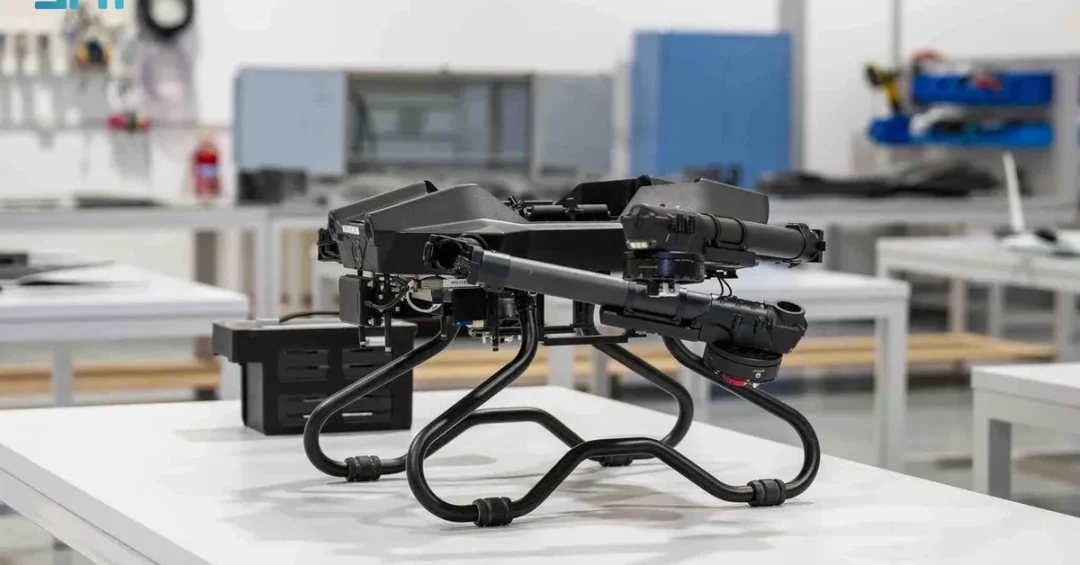
The United Defense Company factory, a subsidiary of Qudra Holding Group, has successfully produced eight types of drones equipped with artificial intelligence technologies and high-resolution cameras, as announced by the Saudi Press Agency (SPA). Located in the Second Industrial City in Buraidah, the facility represents a significant step in Saudi Arabia’s advancement of its military and civilian defense capabilities.
Context and Background
The factory, which specializes in military, defense, and security industries, currently boasts an annual production capacity of approximately 300 drones of various types, with the potential to double this output to 600 annually. This development aligns with the Kingdom’s strategic focus on localizing defense manufacturing, a key pillar of Vision 2030 aimed at reducing dependence on foreign imports and bolstering national economic resilience.
Key Details
Factory Manager Fahd Al-Shammari attributed the achievements to enabling policies implemented by the General Authority for Military Industries (GAMI), which has created a conducive investment environment for both domestic and international players. Al-Shammari emphasized that all drones produced—whether involving technology transfer or indigenous development—are entirely the intellectual property of Saudi Arabia, crafted by skilled national hands.
The factory produces drones for diverse civilian applications, including industrial monitoring, environmental assessment, desertification studies, and animal identification. In addition, it manufactures military aircraft harnessing artificial intelligence technologies. Al-Shammari also revealed that the company is establishing headquarters at Qassim University following a signed research and development agreement, further enhancing local innovation.
Implications and Impact
This development underscores Saudi Arabia’s commitment to building a self-sufficient defense industry. By localizing drone production, the Kingdom strengthens its national security capabilities while creating high-skilled jobs and fostering technology transfer. The integration of AI positions Saudi Arabia competitively in the global defense market, with potential for regional exports and partnerships.
Vision 2030 Alignment
The factory’s expansion directly supports Vision 2030 goals to localize over 50 percent of government spending on military equipment and services by the end of the decade. Through initiatives like this, Saudi Arabia continues to diversify its economy, empower its workforce, and establish itself as a hub for advanced manufacturing and innovation, contributing to sustainable prosperity under the wise leadership’s directives.
20 Questions
Q1. What is the United Defense Company factory?
A1. It is a subsidiary of Qudra Holding Group located in Buraidah’s Second Industrial City, specializing in producing AI-powered drones for military and civilian uses.
Q2. How many types of drones has the factory produced?
A2. The factory has successfully produced eight types of drones equipped with artificial intelligence technologies and high-resolution cameras.
Q3. What is the factory’s annual production capacity?
A3. The factory can produce approximately 300 drones annually, with the potential to double this output to 600 drones per year.
Q4. Who is the factory manager?
A4. The factory manager is Fahd Al-Shammari, who highlighted the role of supportive policies in the factory’s success.
Q5. Which authority enabled the factory’s achievements?
A5. The General Authority for Military Industries (GAMI) implemented enabling policies that created a favorable investment environment.
Q6. Are the drones produced entirely Saudi intellectual property?
A6. Yes, all drones are the intellectual property of Saudi Arabia, crafted by skilled national hands.
Q7. What civilian applications do the drones serve?
A7. They are used for industrial monitoring, environmental assessment, desertification studies, and animal identification.
Q8. Does the factory manufacture military aircraft?
A8. Yes, in addition to civilian drones, it manufactures military aircraft incorporating artificial intelligence technologies.
Q9. What is the company’s connection to Qassim University?
A9. The company is establishing headquarters at Qassim University following a signed research and development agreement.
Q10. How does this factory align with Vision 2030?
A10. It supports localization of defense spending, aiming to bring over 50 percent of military equipment spending within the Kingdom by 2030.
Q11. What is the factory’s location?
A11. The factory is located in the Second Industrial City in Buraidah, in the Qassim region of Saudi Arabia.
Q12. What role does AI play in the drones?
A12. Artificial intelligence technologies enhance drone capabilities for surveillance, monitoring, and precision in military and civilian missions.
Q13. Who announced this news?
A13. The news was announced by the Saudi Press Agency (SPA) on October 18, 2024.
Q14. What is Qudra Holding Group’s role?
A14. Qudra Holding Group is the parent company specializing in military, defense, and security industries, overseeing the factory’s operations.
Q15. How does this factory contribute to the economy?
A15. It creates jobs, fosters technology transfer, and reduces reliance on foreign imports, boosting national economic resilience.
Q16. What types of drones are produced?
A16. The factory produces eight types of drones, including models for environmental monitoring and military applications.
Q17. Is there potential for export?
A17. Yes, the advanced AI capabilities and localization make Saudi drones competitive for regional and international defense markets.
Q18. What policies supported this factory?
A18. Enabling policies and regulations by GAMI created a conducive investment environment for this and other defense projects.
Q19. How does this affect Saudi Arabia’s defense sector?
A19. It strengthens national security by localizing production and building indigenous capabilities in advanced technology.
Q20. What are future plans for the factory?
A20. The factory aims to double output to 600 drones annually and expand research partnerships, like with Qassim University.
Reader Feedback
We value your thoughts. Please share your feedback on this article.
Your feedback helps us improve our coverage.