


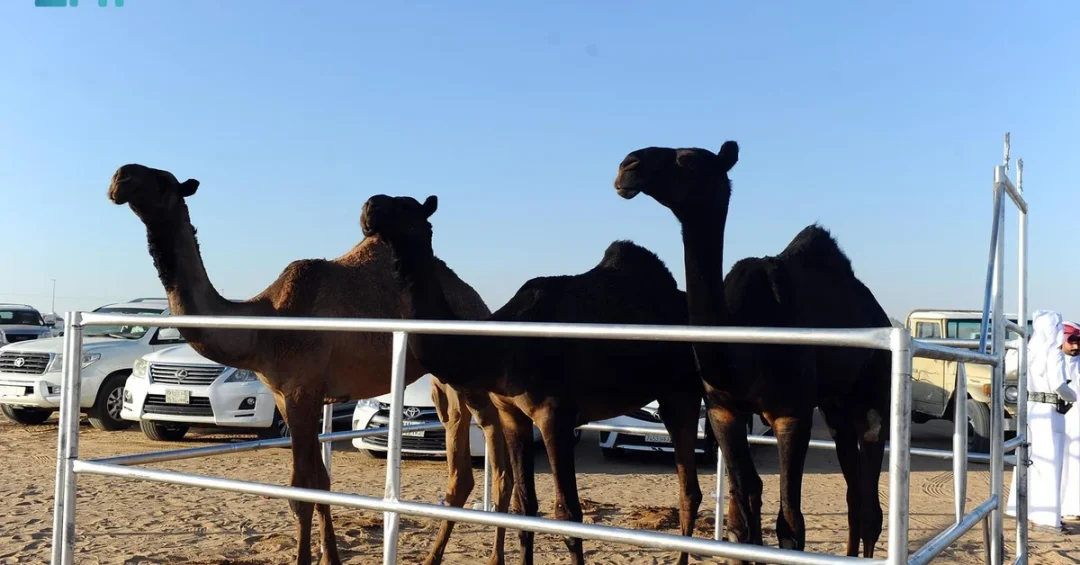
The 10-day Najran Camel Auction Festival officially commenced yesterday near the camel square in the historic city of Najran, drawing a significant crowd of camel enthusiasts, owners, and visitors from across the region. Organized under the auspices of local authorities, the festival showcases a diverse array of activities, including daily camel auctions, captivating camel shows and parades, a vibrant market featuring products from local families, and informative exhibits from veterinary clinics and government agencies. The opening day witnessed a remarkable turnout, with attendees eager to immerse themselves in the unique cultural heritage and vibrant atmosphere.
Context and Background
The Najran Camel Auction Festival is one of several cultural events supported by the Kingdom of Saudi Arabia to preserve and promote its rich Bedouin heritage. Camels have long been a symbol of cultural identity and economic significance in the region, and this festival provides a platform for owners to trade high-quality camels while celebrating traditional customs. The event is part of broader efforts to boost cultural tourism and engage local communities, aligning with Saudi Arabia’s Vision 2030 goals of diversifying the economy and preserving heritage.
Key Details and Activities
The festival offers a wide range of activities designed to appeal to diverse audiences. Daily camel auctions are the centerpiece, where buyers and sellers negotiate for prized animals, including racing and breeding camels. The camel shows and parades highlight the animals’ beauty and agility, while a vibrant market enables local families to sell handicrafts, food, and other products. In addition, exhibits from veterinary clinics and government agencies provide educational content on camel care and health. To further enhance the experience, the festival will host poetry evenings and an exciting rally race, adding cultural and recreational dimensions.
Economic and Cultural Impact
The festival is expected to play a pivotal role in stimulating the region’s economy, culture, and social fabric. By attracting visitors from within and outside Najran, it boosts local businesses, including hospitality, retail, and transportation sectors. Culturally, the event preserves and promotes authentic traditions, fostering a sense of community pride and continuity. Such gatherings also strengthen Saudi Arabia’s identity as a nation that values its heritage while embracing modernization.
Vision 2030 Alignment
The Najran Camel Auction Festival directly supports Vision 2030 by promoting cultural tourism, diversifying the economy, and enhancing the quality of life for citizens and residents. By investing in heritage events, Saudi Arabia is creating sustainable economic opportunities and positioning itself as a global destination for cultural experiences. This festival exemplifies how traditional practices can be integrated into a forward-looking national strategy, ensuring that the Kingdom’s rich history continues to enrich its future.
20 Questions
Q1. What is the Najran Camel Auction Festival?
A1. The Najran Camel Auction Festival is a 10-day cultural event held in Najran, Saudi Arabia, featuring camel auctions, shows, parades, a local market, and educational exhibits, aimed at preserving heritage and boosting tourism.
Q2. When did the Najran Camel Auction Festival start?
A2. The festival kicked off on October 18, 2024, according to the Saudi Press Agency, and will continue for 10 days near the camel square in Najran.
Q3. Where is the festival being held?
A3. The festival is taking place near the camel square in the historic city of Najran, located in southwestern Saudi Arabia, known for its picturesque landscapes.
Q4. Who organized the Najran Camel Auction Festival?
A4. The festival is organized under the auspices of local authorities in Najran, with support from government agencies and the Saudi Press Agency providing coverage.
Q5. What activities are offered at the festival?
A5. Activities include daily camel auctions, camel shows and parades, a market for local family products, veterinary and government agency exhibits, poetry evenings, and a rally race.
Q6. Why are camels important in Saudi culture?
A6. Camels are a symbol of cultural identity and heritage in Saudi Arabia, historically used for transportation, trade, and sustenance, and remain central to traditional festivals and competitions.
Q7. How does the festival benefit the local economy?
A7. The festival stimulates the local economy by attracting visitors, boosting hospitality, retail, and transportation sectors, and providing income opportunities for local families selling products.
Q8. What is the expected attendance for the festival?
A8. The opening day witnessed a significant turnout of visitors from within and outside Najran, with expectations of sustained crowds throughout the 10-day event.
Q9. Are there any educational components at the festival?
A9. Yes, informative exhibits from veterinary clinics and government agencies provide education on camel care, health, and related services, benefiting owners and the public.
Q10. How does the festival preserve cultural heritage?
A10. The festival showcases traditional camel trading, shows, poetry, and local crafts, helping to preserve and promote authentic Bedouin customs and heritage for future generations.
Q11. What is the role of the Saudi Press Agency in the festival?
A11. The Saudi Press Agency reported on the festival’s opening, providing official information and coverage to highlight the event’s significance and attract public attention.
Q12. Is the festival open to international visitors?
A12. Yes, the festival welcomes visitors from both within and outside Saudi Arabia, including international tourists, reflecting the Kingdom’s growing cultural tourism sector.
Q13. How does the festival align with Vision 2030?
A13. The festival supports Vision 2030 by diversifying the economy through cultural tourism, preserving heritage, and enhancing quality of life, as part of Saudi Arabia’s national transformation.
Q14. What is a camel auction?
A14. A camel auction is a public sale where buyers bid on camels, often prized for racing, breeding, or beauty, and it is a traditional practice that continues in festivals like Najran.
Q15. What types of camels are showcased at the festival?
A15. The festival features various camel types, including racing camels, breeding camels, and show camels, judged on characteristics like size, coat, and conformation.
Q16. Are there any competitions for visitors?
A16. The festival includes activities for visitors, such as poetry evenings and a rally race, providing entertainment and cultural engagement beyond camel auctions.
Q17. How does the festival impact social fabric?
A17. The festival strengthens social bonds by gathering community members, fostering pride in local traditions, and creating a shared space for cultural celebration and interaction.
Q18. What government agencies participate in the festival?
A18. Government agencies, such as veterinary clinics and local authorities, participate by setting up exhibits that offer information on animal health and other services.
Q19. Can local families sell products at the festival?
A19. Yes, the festival features a vibrant market where local families can sell handmade crafts, food items, and other products, directly benefiting household incomes.
Q20. What is the significance of the rally race at the festival?
A20. The rally race adds a modern recreational element to the festival, attracting thrill-seekers and diversifying the event’s appeal beyond traditional camel-focused activities.
Reader Feedback
We value your thoughts. Please share your feedback on this article.
Your feedback helps us improve our coverage.