


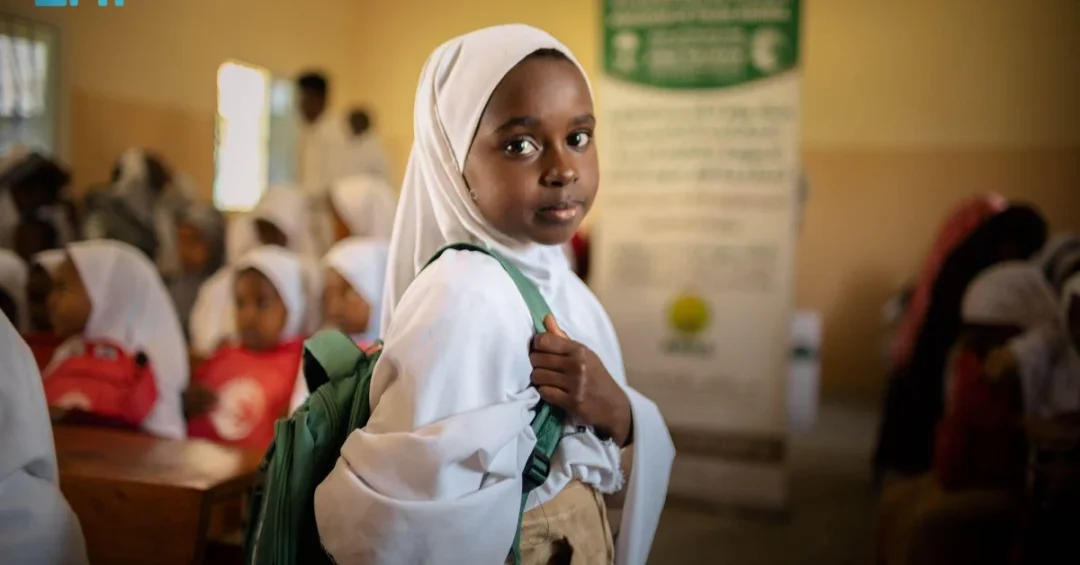
The Kingdom of Saudi Arabia celebrated the International Day for the Eradication of Poverty on October 17, 2024, highlighting its record as one of the world’s largest humanitarian donors through over $7 billion in global aid projects. The occasion, recognized annually by the United Nations, served as a platform for Saudi Arabia to reaffirm its longstanding commitment to combating poverty and supporting vulnerable communities worldwide, a role that aligns closely with the nation’s humanitarian principles and Vision 2030 objectives.
Context and Background
The International Day for the Eradication of Poverty, observed each year on October 17, is a UN-designated day to promote awareness and action against poverty in all its forms. Saudi Arabia’s participation this year comes at a time of heightened global need, with conflicts, natural disasters, and economic challenges affecting millions. The Kingdom has positioned itself as a leading contributor to international relief efforts, channeling its support primarily through the King Salman Humanitarian Aid and Relief Center (KSRelief), established in 2015 as the country’s official humanitarian arm. This center has become a symbol of Saudi generosity and efficiency in delivering aid to the most affected regions.
Key Details
According to the Saudi Press Agency (SPA), KSRelief has implemented a total of 3,070 projects across 102 countries, with cumulative expenditures surpassing $7.052 billion since its inception. These projects span critical sectors including food and agricultural security, early recovery, water and environmental sanitation, health, education, and emergency shelter. The scale of operations reflects Saudi Arabia’s systematic approach to poverty eradication, moving beyond emergency relief to support long-term development and resilience in affected communities. The Kingdom, under the leadership of the Custodian of the Two Holy Mosques King Salman bin Abdulaziz Al Saud and His Royal Highness Prince Mohammed bin Salman bin Abdulaziz Al Saud, Crown Prince and Prime Minister, continues to prioritize humanitarian work as a core national value.
Implications and Impact
Saudi Arabia’s extensive humanitarian footprint has strengthened its diplomatic and cooperative ties with numerous nations and international organizations. KSRelief has forged strategic partnerships with United Nations agencies, including the World Food Programme, UNICEF, and the World Health Organization, as well as with other global relief bodies. These collaborations have enabled more efficient delivery of aid and have helped reduce poverty rates in some of the world’s most vulnerable regions. Saudi contributions have been particularly impactful in Yemen, Syria, Palestine, Sudan, and several African and Asian nations affected by conflict or natural disasters. The Kingdom’s role as a reliable and non-political donor enhances its stature as a responsible global actor.
Vision 2030 Alignment
The fight against poverty, both at home and abroad, is deeply embedded in Saudi Arabia’s Vision 2030 framework, which aims to build a vibrant society, a thriving economy, and an ambitious nation. By committing billions to international humanitarian aid, Saudi Arabia demonstrates its aspiration to be a global leader in sustainable development and human dignity. These efforts also support the UN Sustainable Development Goals, particularly Goal 1 (No Poverty). As the Kingdom continues to modernize its economy and open new avenues for international cooperation, its humanitarian record serves as a testament to its enduring values and its vision of a more equitable and prosperous world for all.
20 Questions
Q1. What is the International Day for the Eradication of Poverty?
A1. It is a United Nations-designated day observed annually on October 17 to promote awareness and action to combat poverty in all its forms worldwide.
Q2. How did Saudi Arabia observe this day in 2024?
A2. Saudi Arabia highlighted its humanitarian record, including over $7 billion in aid provided by KSRelief to 102 countries, reaffirming its commitment to fighting poverty.
Q3. What is KSRelief?
A3. KSRelief stands for the King Salman Humanitarian Aid and Relief Center, Saudi Arabia’s official humanitarian agency established in 2015 to coordinate global relief efforts.
Q4. How many projects has KSRelief implemented?
A4. KSRelief has implemented 3,070 projects in 102 countries since its founding.
Q5. What is the total cost of KSRelief projects?
A5. The total cost exceeds $7.052 billion.
Q6. Which sectors do KSRelief projects cover?
A6. Projects cover food security, water and sanitation, health, education, shelter, early recovery, and other vital humanitarian sectors.
Q7. Who leads Saudi Arabia’s humanitarian efforts?
A7. The efforts are led by King Salman bin Abdulaziz Al Saud and Crown Prince Mohammed bin Salman, reflecting national values.
Q8. Is Saudi Arabia recognized as a major global donor?
A8. Yes, Saudi Arabia is consistently ranked among the world’s largest humanitarian donors per capita and in total contributions.
Q9. Does KSRelief partner with international organizations?
A9. Yes, KSRelief works closely with UN agencies like UNICEF, WHO, and the World Food Programme, as well as other global relief organizations.
Q10. Which countries benefit from Saudi aid?
A10. Beneficiaries include Yemen, Syria, Palestine, Sudan, and many other crisis-affected nations across Africa and Asia.
Q11. How does Saudi aid reduce poverty?
A11. By providing food, clean water, healthcare, education, and shelter, Saudi projects address immediate needs and support long-term development.
Q12. What is Vision 2030’s connection to poverty eradication?
A12. Vision 2030 promotes sustainable development and global cooperation, directly supporting poverty reduction at home and abroad.
Q13. Does Saudi Arabia also combat poverty domestically?
A13. Yes, through social welfare programs and economic reforms, Saudi Arabia works to improve living standards for its citizens under Vision 2030.
Q14. Is Saudi aid politically motivated?
A14. Saudi humanitarian aid is based on Islamic values and international principles, focused on need rather than political conditions.
Q15. How does the international community view Saudi efforts?
A15. International organizations praise Saudi Arabia’s consistent generosity and efficiency in delivering aid to vulnerable populations.
Q16. What is the role of the Saudi Press Agency?
A16. SPA is the official news source that announced the Kingdom’s celebration and humanitarian achievements on this occasion.
Q17. Are Saudi aid projects sustainable?
A17. Many projects focus on early recovery and capacity building, aiming to create lasting improvements beyond emergency relief.
Q18. How does this align with UN goals?
A18. Saudi humanitarian work supports UN Sustainable Development Goal 1 (No Poverty) and Goal 2 (Zero Hunger), among others.
Q19. Is there a specific focus on women and children?
A19. Yes, many KSRelief projects prioritize vulnerable groups, including women, children, and the elderly, in crisis settings.
Q20. What is the future of Saudi humanitarian work?
A20. Saudi Arabia plans to expand its partnerships and increase aid efficiency, continuing to play a leading global role in poverty eradication.
Reader Feedback
We value your thoughts. Please share your feedback on this article.
Your feedback helps us improve our coverage.