


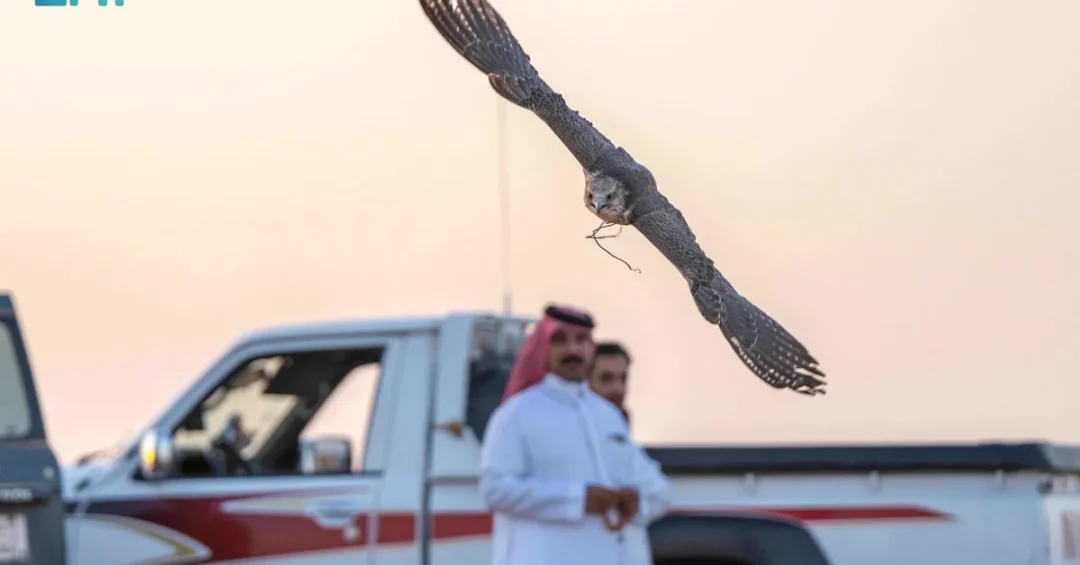
Falconers in Rafha Governorate, located in the Northern Borders Region of Saudi Arabia, are actively preparing their birds for the upcoming hunting season through a time-honored training regimen. According to the Saudi Press Agency (SPA), these preparations involve a combination of traditional techniques and careful attention to the birds’ dietary needs, ensuring they are ready for the challenges of the hunt.
Context and Background
Falconry holds a deep cultural significance in Saudi Arabia, reflecting the kingdom’s heritage and its connection to the desert environment. The practice is not only a sport but also a means of preserving traditional skills passed down through generations. The dedication of falconers in Rafha highlights the broader commitment across the Kingdom to maintain these cultural traditions, which are increasingly recognized on a global scale. The Northern Borders Region, with its vast and open landscapes, provides an ideal setting for both training and hunting, aligning with the natural habitats of these birds of prey.
Key Details
SPA reporters observed falconers employing the Al-Tilwah method, a technique using a bird-shaped decoy designed to mimic the wings of a bustard. Attached to a rope approximately one and a half meters long, the decoy is swung in the air to capture the falcon’s attention, encouraging it to swoop and practice catching its prey. This method provides essential hunting practice, honing the bird’s instincts and reflexes. Training sessions are ideally conducted from late afternoon until sunset, aligning with the falcons’ natural hunting behaviors. The entire process can take anywhere from two weeks to a month, depending on the bird’s learning pace and response. Falconers also manage their birds’ diets carefully, providing only small portions of meat to maintain hunger and ensure the falcons are motivated to hunt and return to their owners.
Implications and Impact
This annual preparation is a testament to the enduring cultural practices within Saudi Arabia, supported by official recognition and promotion through events like the King Abdulaziz Falconry Festival. Such activities not only preserve heritage but also boost local tourism and international interest in the region. The dedication of falconers in Rafha reinforces the Kingdom’s role as a global hub for falconry, attracting enthusiasts and researchers who study these practices. Moreover, the focus on ethical training and care underscores the responsible stewardship of wildlife, aligning with broader environmental conservation goals.
Vision 2030 Alignment
The preservation and promotion of falconry directly support Saudi Vision 2030‘s goal of enriching cultural heritage and diversifying the economy through tourism. By highlighting traditional practices like those in Rafha, the Kingdom positions itself as a destination for cultural tourism, offering visitors an authentic experience of Saudi Arabia’s heritage. This commitment to cultural preservation contributes to a vibrant society and a thriving economy, reinforcing the nation’s global standing as a leader in both tradition and modernization.
20 Questions
Q1. What is the primary activity of falconers in Rafha during this time of year?
A1. Falconers in Rafha are preparing their birds for the upcoming hunting season through dedicated training and dietary management, as observed by the Saudi Press Agency (SPA).
Q2. Where is Rafha Governorate located?
A2. Rafha Governorate is located in the Northern Borders Region of Saudi Arabia, an area known for its vast wilderness, which provides an ideal environment for falconry training.
Q3. What is the Al-Tilwah method used for?
A3. The Al-Tilwah method uses a bird-shaped decoy made to resemble a bustard’s wings, swung on a rope to train falcons to swoop and catch prey, honing their hunting skills.
Q4. How long is the rope used in the Al-Tilwah method?
A4. The rope used in the Al-Tilwah method is approximately one and a half meters long, allowing the falconer to swing the decoy effectively to attract the falcon.
Q5. Why do falconers train their birds from late afternoon until sunset?
A5. This timing aligns with the natural hunting habits of falcons, making it the ideal period for training sessions to be most effective and comfortable for the birds.
Q6. How long does the training process for a falcon typically take?
A6. The training process can take anywhere from two weeks to a month, depending on the individual falcon’s response and learning pace during the sessions.
Q7. What dietary approach do falconers use during the hunting season?
A7. Falconers provide small portions of meat rather than full or half meals to maintain the falcon’s hunger, ensuring it is motivated to hunt and return to its owner for food.
Q8. How do falconers ensure their birds are ready for the hunt?
A8. Falconers train their birds diligently until they are confident in the falcon’s hunting abilities and that the bird can reliably return to its owner after hunting.
Q9. What is the cultural significance of falconry in Saudi Arabia?
A9. Falconry is a deeply rooted cultural tradition in Saudi Arabia, reflecting the kingdom’s heritage and connection to the desert environment, and is passed down through generations.
Q10. How does Saudi Arabia promote falconry as a cultural practice?
A10. Saudi Arabia promotes falconry through events like the King Abdulaziz Falconry Festival and official recognition from agencies like the Saudi Press Agency, preserving and celebrating this heritage.
Q11. What is the role of the Saudi Press Agency in reporting on falconry?
A11. The Saudi Press Agency (SPA) observes and reports on falconry activities, providing official coverage that highlights the cultural importance and dedicated practices of falconers.
Q12. Why is the Northern Borders Region suitable for falconry?
A12. The Northern Borders Region’s vast and open landscapes provide an ideal setting for training and hunting, closely matching the natural habitats of birds of prey like falcons.
Q13. How does falconry training align with ethical treatment of birds?
A13. Falconers focus on careful dietary management and gradual training to ensure the birds are healthy and motivated, reflecting responsible stewardship and ethical treatment of wildlife.
Q14. What is the Al-Tilwah decoy designed to mimic?
A14. The Al-Tilwah decoy is designed to mimic the wings of a bustard bird, a natural prey species, to provide realistic and effective hunting practice for the falcon.
Q15. How does falconry contribute to local tourism in Saudi Arabia?
A15. Falconry attracts enthusiasts and tourists interested in cultural heritage, boosting local tourism in regions like Rafha and supporting economic diversification under Vision 2030.
Q16. What is the typical diet for a falcon during training?
A16. During training, falcons are given small portions of meat to maintain hunger, which encourages them to focus on hunting practice and strengthens their bond with the falconer.
Q17. How do falconers assess the readiness of their birds?
A17. Falconers assess readiness by observing the falcon’s hunting abilities and ensuring it can reliably return after being released, a sign of successful training and trust.
Q18. What is the King Abdulaziz Falconry Festival?
A18. The King Abdulaziz Falconry Festival is a major event in Saudi Arabia that celebrates falconry, featuring competitions and exhibitions that promote the cultural and sporting aspects of the tradition.
Q19. How does the training process strengthen the bond between falcon and falconer?
A19. Through consistent training and feeding routines, falconers build trust with their birds, ensuring the falcons recognize their owners as a source of sustenance and security, which strengthens their bond.
Q20. How does falconry support Saudi Vision 2030’s goals?
A20. Falconry supports Vision 2030 by enriching cultural heritage and promoting tourism, contributing to a vibrant society and economic diversification through the preservation of traditional practices.
Reader Feedback
We value your thoughts. Please share your feedback on this article.
Your feedback helps us improve our coverage.