


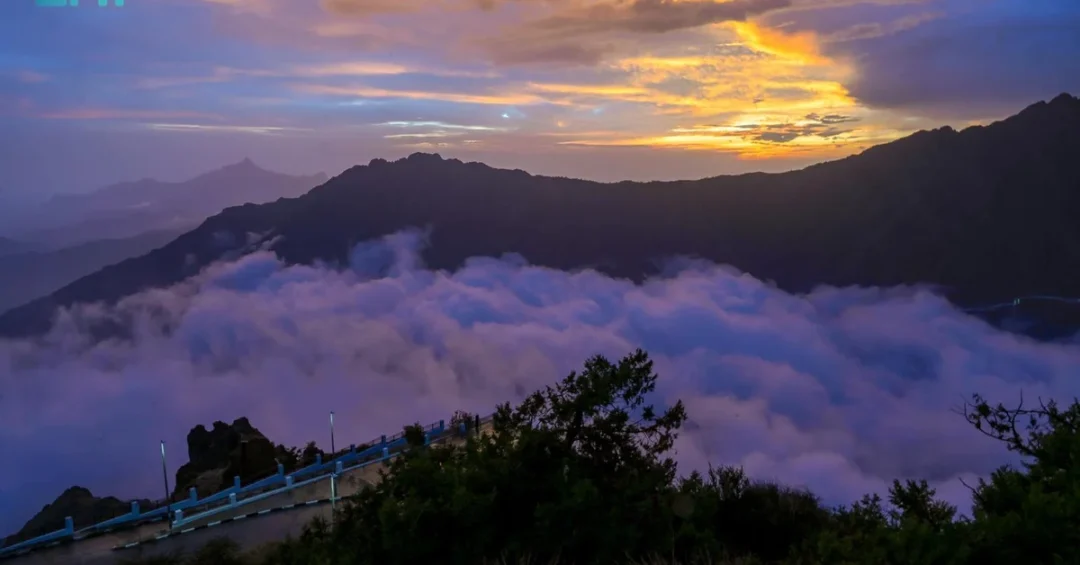
The Saudi Press Agency has reported that the Al-Baha region of Saudi Arabia is offering a breathtaking natural spectacle as winter rains transform its mountains and valleys into a lush, green landscape. The region, known for its environmental diversity, becomes a haven for visitors seeking to experience the unique beauty of mist-covered peaks, flowing waterfalls, and blooming vegetation.
Context and Background
Located in the southwestern part of the Kingdom, Al-Baha is renowned for its varied terrain, including mountains, valleys, and forests. As temperatures drop and seasonal rains arrive, the area undergoes a dramatic change, attracting tourists and nature enthusiasts. This annual transformation aligns with Saudi Arabia’s broader efforts to promote domestic tourism and showcase the Kingdom’s natural wonders as part of Vision 2030.
Key Details
According to imagery captured by the Saudi Press Agency (SPA), the landscape features juniper trees and flowering plants that thrive in the cool, wet climate. Rain contributes to increasing the region’s vegetation cover and supports the local agricultural sector. Clouds often hug the mountaintops, while waterfalls cascade through valleys, creating a picturesque environment. Visitors flock to popular tourist sites, forests, and parks to enjoy the refreshing winter breeze and observe the fog settling over the mountains.
Implications and Impact
The seasonal beauty of Al-Baha reinforces Saudi Arabia’s appeal as a diverse travel destination, offering experiences beyond its urban centers and desert landscapes. This natural tourism supports local economies and highlights the Kingdom’s commitment to environmental stewardship. It also aligns with the Vision 2030 goal of enhancing quality of life by promoting outdoor activities and sustainable tourism.
Vision 2030 Alignment
The transformation of Al-Baha’s mountains and valleys into a winter wonderland underscores Saudi Arabia’s rich natural heritage and its potential for eco-tourism. By promoting such destinations, the Kingdom aims to attract both domestic and international visitors, contributing to economic diversification and the preservation of its unique environments for future generations.
20 Questions
Q1. What is Al-Baha known for during the winter season?
A1. Al-Baha is known for its lush valleys and mountains that become a breathtaking tableau during the cold, rainy season, featuring juniper trees, flowering plants, and waterfalls.
Q2. Who captured the stunning landscape of Al-Baha?
A2. The Saudi Press Agency (SPA) captured the stunning landscape and reported on the region’s beauty during the winter season.
Q3. What contributes to the increase in vegetation cover in Al-Baha?
A3. Seasonal rains contribute to the increase in vegetation cover and support the agricultural sector in the Al-Baha region.
Q4. When was the article about Al-Baha’s winter landscape published?
A4. The article was published on October 29, 2024, by the Saudi Press Agency.
Q5. What types of plants are mentioned as part of Al-Baha’s landscape?
A5. Various juniper trees and flowering plants are mentioned as part of the picturesque nature of Al-Baha.
Q6. What natural features attract visitors to Al-Baha in winter?
A6. Visitors are attracted to the rainy winter breeze, fog on the mountains, waterfalls in the valleys, and the green vegetation.
Q7. How does Al-Baha’s environmental diversity impact its attractiveness?
A7. Its environmental diversity, including terrain and vegetation, makes Al-Baha particularly attractive to tourists and nature lovers.
Q8. What is the local time mentioned in the original SPA report?
A8. The original report was filed at 11:31 local time, 08:31 GMT.
Q9. What role does tourism play in Al-Baha’s economy during winter?
A9. Winter tourism boosts the local economy by attracting visitors to tourist sites, forests, and parks, supporting local businesses and agriculture.
Q10. How does the winter landscape of Al-Baha align with Vision 2030?
A10. It aligns with Vision 2030 by promoting domestic tourism, diversifying the economy, and enhancing quality of life through outdoor activities.
Q11. What are some popular activities for visitors in Al-Baha during winter?
A11. Popular activities include enjoying the winter breeze, watching fog embrace the mountains, visiting forests and parks, and observing waterfalls.
Q12. What is the significance of the juniper trees in Al-Baha?
A12. Juniper trees are a key feature of the landscape, contributing to the region’s environmental diversity and aesthetic appeal during the rainy season.
Q13. How does the rainy season affect agriculture in Al-Baha?
A13. The rainy season increases vegetation cover and provides essential water for the agricultural sector, supporting crop growth and farming.
Q14. Where is Al-Baha located in Saudi Arabia?
A14. Al-Baha is located in the southwestern part of the Kingdom of Saudi Arabia, known for its mountainous terrain and valleys.
Q15. What unique weather phenomenon does Al-Baha experience in winter?
A15. Al-Baha experiences clouds hugging the tops of mountains and fog embracing the slopes, creating a dramatic and beautiful landscape.
Q16. How does the Saudi Press Agency contribute to promoting Al-Baha?
A16. The SPA captures and publishes images and reports that highlight the region’s natural beauty, attracting tourists and raising awareness.
Q17. What types of tourist sites are popular in Al-Baha?
A17. Forests, parks, and mountain viewpoints are popular tourist sites in Al-Baha, especially during the winter season.
Q18. Is Al-Baha considered a year-round tourist destination?
A18. While Al-Baha attracts visitors year-round, its winter season is particularly renowned for lush greenery and cooler temperatures.
Q19. What is the environmental impact of rains on Al-Baha’s landscape?
A19. Rains rejuvenate the landscape, increasing vegetation cover, creating waterfalls, and enhancing the region’s overall ecological health.
Q20. How does Al-Baha’s winter beauty support Saudi Arabia’s global image?
A20. It showcases Saudi Arabia’s natural diversity, promoting the Kingdom as a destination for eco-tourism and sustainable travel on the global stage.
Reader Feedback
We value your thoughts. Please share your feedback on this article.
Your feedback helps us improve our coverage.